

To foster an inclusive design culture through diversity-driven innovation, you should actively encourage varied perspectives and create space for open dialogue. Embrace different backgrounds and experiences, listen carefully, and integrate diverse insights into decision-making. Promote participation at all levels, rotate leadership roles, and build a safe environment for sharing ideas. This approach leads to more creative solutions, engaged teams, and sustained growth—things you’ll learn how to implement as you explore more.
Key Takeaways
- Promote active listening and dialogue to understand diverse perspectives in the design process.
- Rotate leadership roles to incorporate varied viewpoints and foster inclusive decision-making.
- Create safe, open spaces that encourage team members to share unique insights and experiences.
- Integrate cultural diversity into all stages of design to develop adaptable, market-relevant solutions.
- Establish practices that value every voice, boosting creativity, engagement, and innovation within the team.

Diversity-driven innovation occurs when organizations actively harness different perspectives, backgrounds, and experiences to spark creative solutions and drive growth. By embracing a variety of cultural perspectives, you open the door to fresh ideas that might otherwise go unnoticed. These diverse viewpoints challenge the status quo, encouraging you to think outside traditional boundaries and develop more all-encompassing, effective solutions. When you foster an environment where everyone feels valued, it naturally promotes inclusive collaboration, which is essential for innovation. In such settings, team members are more willing to share their unique insights, knowing their contributions are respected and considered. This inclusive approach helps break down barriers that can stifle creativity, enabling you to leverage the full potential of your team’s diverse talents. Additionally, understanding the importance of color accuracy in visual displays can enhance how innovative ideas are communicated and experienced visually.
To truly harness cultural perspectives, you need to actively listen and create space for dialogue. When you encourage team members to share their experiences and viewpoints, you gain a richer understanding of the challenges and opportunities your organization faces. Recognizing that each person’s background influences their approach allows you to craft solutions that are more adaptable and relevant across different markets or customer segments. It’s not just about diversity for its own sake but about integrating those differences into your decision-making process. By doing so, you cultivate an environment where inclusive collaboration becomes second nature, fostering trust and mutual respect among team members. This, in turn, boosts engagement, productivity, and the likelihood of innovative breakthroughs.
Creating a culture of inclusive collaboration requires intentional effort. You can start by implementing practices that encourage diverse participation, such as rotating leadership roles, soliciting input from all levels, and establishing safe spaces for open dialogue. When everyone feels heard, they’re more likely to contribute their unique perspectives without fear of judgment. As you nurture this environment, you’ll notice that ideas flow more freely, and solutions become more creative and well-rounded. The key is not just bringing diverse individuals together but ensuring their voices are genuinely integrated into the collective effort. This approach leads to more innovative outcomes and helps your organization stay competitive in a rapidly changing global landscape.

Inclusive Leadership For Dummies
As an affiliate, we earn on qualifying purchases.
As an affiliate, we earn on qualifying purchases.
Frequently Asked Questions
How Can Small Companies Implement Inclusive Design Practices Effectively?
To implement inclusive design practices effectively, you should prioritize user experience by considering diverse user needs from the start. Follow accessibility standards like WCAG to guarantee your products are accessible to everyone. Engage a diverse group of users for feedback, and incorporate their insights into your design process. Keep learning about inclusive design, and continuously iterate to improve accessibility, making your products welcoming and usable for all.
What Metrics Best Measure Success in Diversity-Driven Innovation?
You should track diversity metrics like employee demographics, inclusion survey scores, and retention rates to gauge progress. Additionally, set innovation benchmarks such as new product diversity, idea generation rates from diverse teams, and customer feedback reflecting inclusivity. These metrics help you identify areas for improvement, ensuring your efforts translate into meaningful innovation and an inclusive culture that drives success. Regularly reviewing these indicators keeps your diversity-driven initiatives on track.
How Do Cultural Differences Influence Inclusive Design Strategies?
You recognize that cultural differences greatly influence inclusive design strategies. By understanding cultural nuances, you can tailor design adaptation to meet diverse user needs effectively. This means actively researching and respecting local customs, values, and behaviors, then integrating these insights into your designs. Doing so guarantees your products are accessible and appealing across various cultures, fostering innovation and inclusivity that resonate with a global audience.
What Are Common Challenges in Fostering an Inclusive Design Culture?
Building an inclusive design culture is like charting a maze—you face many twists and turns. Common challenges include overcoming unconscious bias, which can cloud judgment, and ensuring stakeholder engagement remains genuine. To succeed, you need to actively mitigate bias and foster open dialogue, encouraging diverse voices. By doing so, you create an environment where innovation thrives, and everyone feels valued, paving the way for truly inclusive solutions.
How Can Leadership Be Motivated to Prioritize Diversity Initiatives?
You can motivate leadership to prioritize diversity initiatives by implementing motivational strategies that align with organizational goals. Offer leadership incentives like recognition, bonuses, or career advancement tied to diversity achievements. Show how diversity drives innovation and improves outcomes, making it clear that their support directly benefits the company. When leadership sees tangible benefits and feels rewarded, they’re more likely to champion inclusive design culture wholeheartedly.
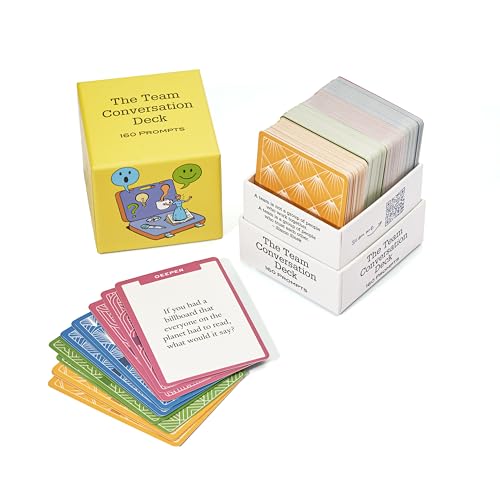
Leader Tools 160 Team Building Cards for Managers – Build Trust & Improve Team Performance – 4 Categories from Light Icebreakers to Strategic Team Questions – for Meetings, 1-on-1s & Team Offsites
100% Work-Safe, Zero Pre-Screening Needed – Every card tested with real teams across all hierarchy levels. No awkward…
As an affiliate, we earn on qualifying purchases.
As an affiliate, we earn on qualifying purchases.
Conclusion
By embracing diversity-driven innovation, you open fresh ideas and create more inclusive designs that truly resonate. Some might think it’s too complex or time-consuming, but the truth is, diverse perspectives lead to smarter solutions and stronger connections with your audience. When you foster an inclusive culture, you not only stay ahead of the competition but also build a brand that values every voice. Start today, and watch your innovation flourish.

12-Pack Dry Erase Lapboards 9" x 12" x 1/8" Thick UV Coated Whiteboard, Safe Bull-Nosed Edges and Durable Dry Erase Surface, Perfect for Students and Teachers Alike, Long-Lasting, No Ghosting
Portable Student Lapboards: These lapboards are perfect for students on the go, providing a convenient and portable solution…
As an affiliate, we earn on qualifying purchases.
As an affiliate, we earn on qualifying purchases.

Cultural Diversity Grades 6-8 6-Book Set
Engaging informational text teaches kids about history's greatest influencers in way they'll understand and retain
As an affiliate, we earn on qualifying purchases.
As an affiliate, we earn on qualifying purchases.