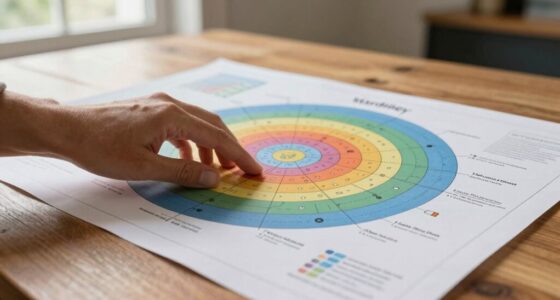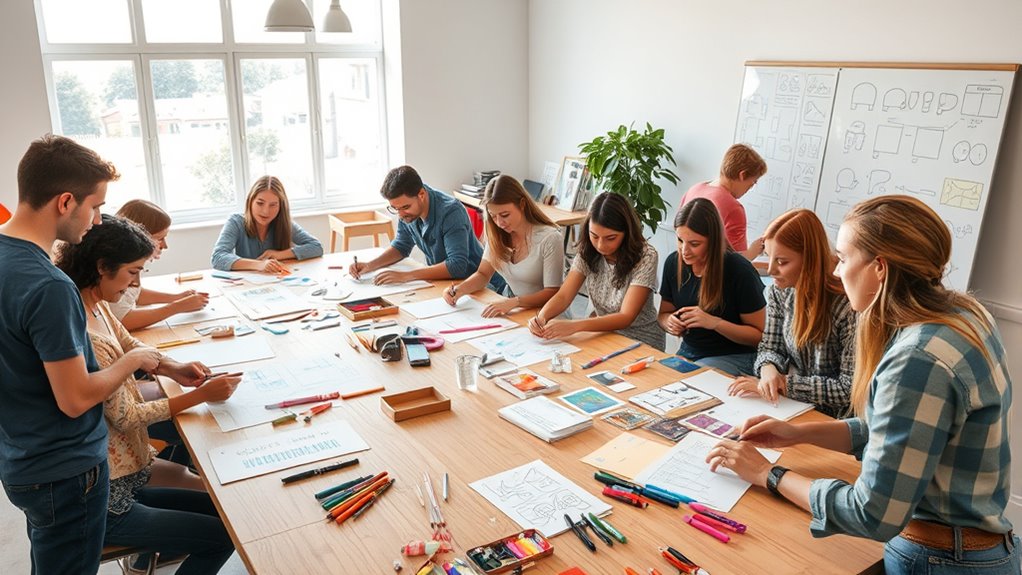

To guarantee your DIY design workshop succeeds, focus on using clear, structured templates that guide activities and keep participants engaged. Incorporate creative exercises like brainstorming, rapid prototyping, and challenge-based tasks to foster collaboration and innovation. Visualization techniques can enhance understanding and communication, while creating a supportive environment encourages experimentation and sharing ideas. Combining these elements sets the stage for a productive, energizing session—continue exploring to discover more strategies that can elevate your workshop experience.

Get business pricing on monitors, keyboards and dev gear
- Business-only prices and quantity discounts
- Tax-exempt purchasing
- Multiple users, one account, clear invoices
Key Takeaways
- Use templates to structure activities, facilitate consistent project development, and guide participants through design processes.
- Incorporate brainstorming and rapid prototyping exercises to boost creativity and hands-on learning.
- Organize team-based challenges to foster collaboration, idea exchange, and diverse perspectives.
- Integrate visualization tools like sketches or diagrams to enhance understanding and communication of concepts.
- Create a supportive environment that encourages experimentation, sharing, and iterative improvement.
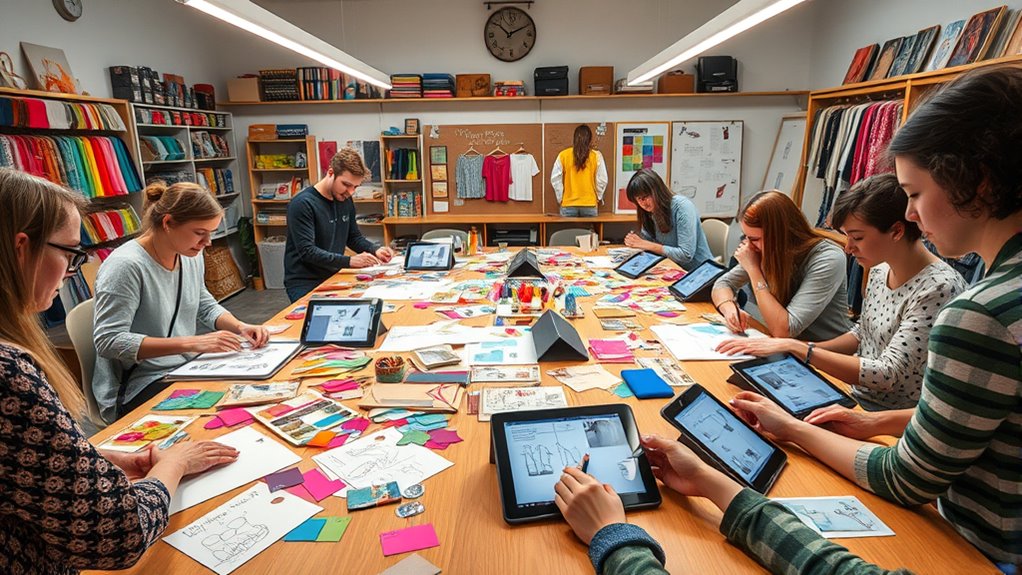
DIY design workshops have become a popular way to unleash your creativity and develop new skills right at home or in your community. Whether you’re working solo or gathering a small group, these workshops offer a hands-on approach to exploring design concepts, honing your craft, and sharing ideas. One of the key elements that make these workshops engaging and effective is group collaboration. When you bring people together, you create an environment where diverse perspectives spark innovation and inspire fresh solutions. Collaborative efforts encourage participants to bounce ideas off each other, challenge assumptions, and build on shared creativity. This dynamic not only fuels individual growth but also fosters a sense of community and collective accomplishment.
Group collaboration in DIY workshops sparks creativity, fuels growth, and builds community through shared ideas and diverse perspectives.
To maximize the benefits of group collaboration, incorporating well-structured creative exercises is essential. These exercises serve as the backbone of your workshop, guiding participants through practical activities that develop skills while encouraging teamwork. For example, you might organize a brainstorming session where everyone contributes ideas for a project, emphasizing open communication and active listening. Or, you could assign small teams to tackle different design challenges, then present their solutions to the group. These activities push participants to think outside the box, experiment with new techniques, and learn from each other’s experiences. Incorporating visualization techniques can further enhance understanding and engagement during these exercises.
Using templates during your DIY design workshops can provide a clear framework for these creative exercises. Templates help streamline processes and give everyone a shared starting point, especially if some participants are beginners. For instance, a mood board template can guide participants in visualizing themes and color schemes, while a layout template can assist in planning spatial arrangements. These templates act as scaffolding, allowing participants to focus on ideation and refinement without getting bogged down by technical details. They also promote consistency across projects, making it easier to compare ideas and offer constructive feedback.
In addition to structured templates, flexible activity prompts can keep the workshop lively and adaptable. Creative exercises like rapid prototyping, where you build quick models or sketches, or challenge-based activities, where groups are tasked with solving specific design problems within a limited time, encourage hands-on experimentation. Such exercises keep energy levels high and stimulate innovative thinking. Remember, the goal is to create a supportive environment where everyone feels comfortable sharing ideas, making mistakes, and learning from each other. When group collaboration is combined with well-designed creative exercises and templates, your DIY design workshop becomes a powerful tool for growth, inspiration, and fun.
As an affiliate, we earn on qualifying purchases.
Frequently Asked Questions
How Do I Tailor Templates for Different Workshop Themes?
To tailor templates for different workshop themes, start with strong customization strategies like adjusting colors, fonts, and layout to match your theme. Use template adaptation by adding relevant images, prompts, or activities that resonate with your audience. Think about the workshop’s goals and audience needs, then modify existing templates accordingly. This approach guarantees your materials stay engaging, relevant, and aligned with each unique theme.
What Tools Are Best for Remote DIY Design Sessions?
Oh, surely you’ll only need a crystal ball to pick the best tools, but alas, digital collaboration platforms like Miro or MURAL are your best bets. They offer virtual whiteboards that facilitate seamless idea sharing and real-time editing, making remote DIY design sessions feel almost as lively as in-person ones. These tools keep everyone engaged, organized, and creatively connected, no matter where your team is lounging.
How Can I Measure Workshop Success Effectively?
To measure your workshop success effectively, focus on clear success metrics like participant engagement, goal achievement, and project quality. Use feedback methods such as surveys, informal discussions, and post-workshop evaluations to gather insights. Track progress against your objectives and analyze trends over time. By combining quantitative data with feedback, you’ll get an all-encompassing view of your workshop’s impact and identify areas for improvement.
What Common Challenges Occur During DIY Workshops?
You’ll face challenges like waning participant motivation when energy dips mid-workshop, making engagement harder. Balancing resource allocation is tricky—too few supplies can frustrate, while too many waste time and money. Unexpected technical issues or unclear instructions can disrupt flow, leaving attendees disengaged. To overcome these, keep activities dynamic, monitor motivation levels, and plan resource use carefully, ensuring everyone stays involved and your workshop runs smoothly.
How Do I Engage Participants With Diverse Skill Levels?
You can engage participants with diverse skill levels by applying inclusive strategies and adaptive techniques. Start by offering varied activities that cater to different expertise, ensuring everyone feels challenged yet capable. Use clear instructions and provide optional advanced tasks for experienced attendees. Encourage collaboration, so beginners learn from experts. Keep the environment supportive, emphasizing progress over perfection, and adjust your approach based on real-time feedback to maintain engagement across all skill levels.
creative brainstorming activity kits
As an affiliate, we earn on qualifying purchases.
As an affiliate, we earn on qualifying purchases.
Conclusion
By applying these essential templates and activities, your DIY design workshops can become more engaging and productive. Did you know that 85% of participants report increased confidence after hands-on creative sessions? That’s a clear sign your efforts are paying off. Keep experimenting with different activities, stay flexible, and watch your workshop thrive. With the right tools and mindset, you’ll inspire creativity and foster a collaborative environment that leads to real success.
As an affiliate, we earn on qualifying purchases.
As an affiliate, we earn on qualifying purchases.
Fall Picks
fall essentials
As an affiliate, we earn on qualifying purchases.