

A bias toward action means turning your ideas into prototypes quickly so you can test and learn fast. Instead of overthinking or delaying, you focus on rapid experimentation, creating small, manageable versions of your concepts. Technology, like nanotech, can help you refine prototypes faster and gather real-world feedback. By acting decisively and embracing failure as part of growth, you increase your chances of success. Keep exploring, and you’ll discover even more ways to turn talk into impactful prototypes.
Key Takeaways
- Emphasize rapid experimentation to quickly transform ideas into tangible prototypes for real-world testing.
- Use small, manageable prototypes to gather feedback and validate concepts efficiently.
- Leverage advanced technologies like nanotechnology to accelerate iteration and refinement processes.
- Prioritize decisiveness in acting on prototype results to avoid stagnation and inform next steps.
- Cultivate a mindset that values action over prolonged planning to turn talk into impactful prototypes.

Many successful people share a common trait: they have a bias toward action. Instead of overanalyzing or waiting for the perfect solution, they jump in quickly, emphasizing rapid experimentation to test ideas and gather feedback. This approach allows you to accelerate decision making speed, which is essential in today’s fast-paced environment. By prioritizing action over hesitation, you can uncover what truly works without getting bogged down by unnecessary deliberation. Every moment spent contemplating is an opportunity lost to learn, adapt, and improve. When you adopt this mindset, you start transforming ideas into tangible results faster, turning talk into prototypes that can be evaluated and refined promptly.
Embrace rapid experimentation to turn ideas into tangible results and accelerate your path to success.
Rapid experimentation becomes your best tool for reducing uncertainty. Instead of aiming for perfection from the outset, you create small, manageable versions of your ideas—prototypes—that you can quickly put into the real world. These prototypes serve as concrete evidence of what’s viable and what’s not, allowing you to make informed decisions without delay. This iterative process is essential because it minimizes the risk of investing heavily in a concept that might not succeed. The quicker you test, the faster you learn, and the more agile you become in adapting your approach. It’s about embracing failure as a necessary step in the journey toward success, knowing each setback provides valuable insights that guide your next move. Additionally, understanding the role of nanotechnology in enabling rapid prototyping can significantly enhance your ability to iterate quickly and efficiently.
Speed in decision making is closely linked to your ability to act decisively. When you’re not paralyzed by doubt or perfectionism, you free yourself to make choices swiftly. This doesn’t mean rushing blindly but rather trusting your instincts and the data gathered through rapid experimentation. You learn to recognize when enough information is available to move forward and when it’s better to pivot or pause. This decisiveness keeps momentum alive and prevents stagnation, ensuring you remain proactive rather than reactive. As you develop this habit, you notice that obstacles become less intimidating because you’re confident in your ability to adapt quickly. Your focus shifts from waiting for certainty to creating it through action.
Ultimately, cultivating a bias toward action means you’re committed to turning ideas into reality. You understand that progress often comes from rapid experimentation and decision making speed, not waiting for all conditions to be perfect. By embracing a mindset that values action and learning, you accelerate your growth and increase your chances of success. Every prototype, every decision made on the fly, pushes you closer to your goals, reinforcing the belief that action is the most powerful tool you have. When you prioritize moving forward over endless planning, you harness the true power of a bias toward action.

AIKWEIK Breadboard and PCB Prototyping Kit – 830 & 400 Tie-Point Breadboards, 65pcs Jumper Wires, 22pcs Double-Sided PCBs for Arduino, Raspberry Pi, and Electronic DIY Projects | Premium Packaging
✅ Comprehensive Electronic Prototyping Kit with Premium Packaging This all-in-one set includes 2pcs 830-hole breadboards, 2pcs 400-hole breadboards,…
As an affiliate, we earn on qualifying purchases.
As an affiliate, we earn on qualifying purchases.
Frequently Asked Questions
How Can I Overcome Fear of Failure When Prototyping?
To overcome your fear of failure when prototyping, focus on risk management by accepting that mistakes are part of the process. Build your creative confidence by reminding yourself that every prototype is a learning opportunity, not a final judgment. Take small, manageable steps, and celebrate progress. This mindset shift helps you see failures as valuable insights, empowering you to act boldly without fear.
What Are Common Obstacles to Turning Ideas Into Prototypes?
Imagine trying to cross a rushing river—your idea can feel just as formidable to turn into a prototype. Common obstacles include fear of failure, which stalls progress, and resource allocation issues, where limited time or money hold you back. Additionally, lack of idea validation can cause doubt. Overcome these by breaking your idea into smaller steps, validating early, and allocating resources wisely to keep the momentum flowing.
How Do I Prioritize Which Ideas to Prototype First?
You should prioritize ideas based on potential impact and feasibility, focusing on those with strong idea validation. Assess your available resources and allocate them strategically to ideas that promise the most value and quickest validation. By doing this, you guarantee your efforts are efficient, reducing wasted time and effort. This approach helps turn promising concepts into prototypes faster, enabling you to learn and iterate more effectively.
What Tools Are Best for Rapid Prototyping?
Think of tools as your allies in the dance of iterative design. For rapid prototyping, you should consider platforms like Figma, Adobe XD, or Sketch—they allow quick adjustments based on user feedback. These tools enable you to create interactive prototypes swiftly, gather insights, and refine your ideas efficiently. Embracing this process helps you turn concepts into real experiences, ensuring your designs truly resonate with users.
How Can Teams Foster a Bias Toward Action Effectively?
You can foster a bias toward action by promoting a mindset shift within your team, encouraging members to prioritize doing over endless planning. Focus on strengthening team dynamics by creating a safe space for experimentation and learning from mistakes. Set clear, achievable goals that motivate quick iterations, and celebrate progress. This approach helps your team become more comfortable with taking initiative, ultimately turning ideas into tangible prototypes faster and more effectively.

Nanotechnology Conduction Silver Pastes Brush Computer Repair Screen Circuit Repair Repair Fixing Tool Nanotechnology Conductive Silver
Enhances your electronic projects with this innovative Conduction Pastes that combines cutting technology and performances, making in any…
As an affiliate, we earn on qualifying purchases.
As an affiliate, we earn on qualifying purchases.
Conclusion
Now that you understand the power of shifting from talk to prototypes, the real question is—are you ready to take that first bold step? Every moment you hesitate, potential breakthroughs slip away. The next move could change everything, but only if you act. So, what will you create next? The choice is yours. Just remember: the most exciting breakthroughs often start with a simple, daring action. Will you make yours today?
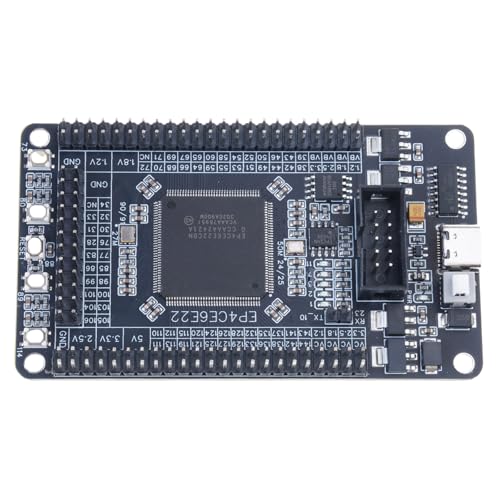
Industrial FPGA Board EP4CE6E22C8N Development Board Based Prototyping Module for Complex Algorithm Processing Task Industrial Control FPGA Development Kit
a variety of hardware description languages, users can according to the project requirements, realize rapid prototype development and…
As an affiliate, we earn on qualifying purchases.
As an affiliate, we earn on qualifying purchases.

IMPLEMENTING AN AGILE INNOVATION MANAGEMENT SYSTEM: Using the Agile Innovation Master Plan Framework
As an affiliate, we earn on qualifying purchases.
As an affiliate, we earn on qualifying purchases.