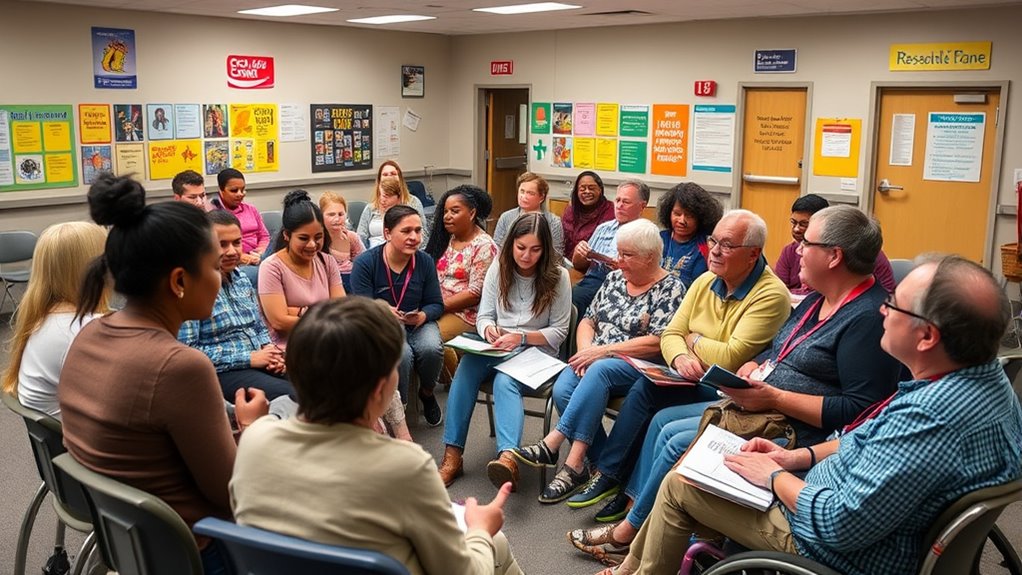

To effectively recruit and engage diverse participants, prioritize cultural sensitivity and authentic interactions. Respect cultural norms, language nuances, and social contexts to build trust and show genuine value for their perspectives. Avoid language that may be culturally inappropriate or alienate potential contributors. By creating respectful environments, you’ll encourage ongoing involvement and gather richer, more representative data. Continuing your efforts will help you liberate more strategies for truly inclusive research practices.

Get business pricing on monitors, keyboards and dev gear
- Business-only prices and quantity discounts
- Tax-exempt purchasing
- Multiple users, one account, clear invoices
Key Takeaways
- Develop culturally appropriate outreach materials that respect language, norms, and social contexts of target communities.
- Build trust through respectful communication and genuine interactions to encourage ongoing participation.
- Collaborate with community leaders and organizations to access diverse populations effectively.
- Train research staff on cultural sensitivity and inclusivity to ensure respectful engagement.
- Create welcoming, safe environments where participants feel valued and comfortable sharing their perspectives.

Have you ever wondered how research can truly serve everyone? It’s a question that drives the push for inclusive research, where the goal is to ensure diverse voices are heard and considered. When you aim to recruit and engage participants from different backgrounds, you must prioritize cultural sensitivity. This means understanding and respecting the cultural norms, language nuances, and social contexts of each group. If you overlook these aspects, your research risks alienating potential participants or collecting data that’s biased or incomplete. For example, using language that isn’t culturally appropriate can create misunderstandings or make participants feel disrespected, leading to lower engagement or inaccurate responses. Recognizing cultural sensitivities isn’t just about avoiding offense—it’s about creating an environment where participants feel valued and comfortable sharing honest insights. This approach broadens your reach and enriches your data, making your findings more applicable to real-world, diverse populations. Additionally, understanding the importance of authentic engagement can help build trust and encourage ongoing participation from diverse groups.
cultural sensitivity training for researchers
As an affiliate, we earn on qualifying purchases.
As an affiliate, we earn on qualifying purchases.
Frequently Asked Questions
How Can Researchers Build Trust With Underrepresented Communities?
You can build trust with underrepresented communities by forming strong community partnerships and demonstrating genuine commitment. Show that you value their perspectives through active listening and transparent communication. Increase representation awareness by highlighting diverse voices and ensuring inclusivity in your research. Respect cultural norms and acknowledge community expertise, making them active collaborators rather than just subjects. This approach fosters trust, encourages participation, and promotes meaningful, inclusive research outcomes.
What Are Effective Strategies for Overcoming Language Barriers?
To overcome language barriers, you should prioritize language adaptation by translating materials accurately and culturally appropriately. Using interpreter services can bridge communication gaps during interviews and meetings, ensuring clarity and trust. You might also consider hiring bilingual staff or community members, which fosters rapport and demonstrates respect for participants’ languages. These strategies make your research more accessible, inclusive, and respectful of diverse linguistic backgrounds.
How Do Cultural Differences Influence Participant Engagement?
Cultural differences influence participant engagement by shaping their comfort levels and trust in research. You can foster engagement by practicing cultural sensitivity, respecting traditions, and understanding values. Use tailored engagement techniques like culturally appropriate communication and involving community leaders. When you acknowledge cultural differences and adapt your approach, participants feel respected and valued, which encourages active participation and builds trust throughout the research process.
What Ethical Considerations Are Unique to Diverse Populations?
You must prioritize cultural sensitivity and guarantee informed consent when engaging diverse populations. Respect their cultural values and beliefs, avoiding assumptions, to build trust. Clearly explain research goals and procedures, allowing participants to make informed decisions. Be aware of language barriers and literacy levels, providing translations or assistance. Addressing these ethical considerations helps protect participants’ rights and fosters genuine engagement across cultural boundaries.
How Can Technology Improve Diverse Participant Recruitment?
Imagine revolutionizing your recruitment efforts overnight! Technology can do this by leveraging data privacy measures to protect participants’ information and using cultural competence tools to connect authentically across diverse communities. You can reach a broader audience through targeted social media, multilingual platforms, and AI-driven outreach, ensuring inclusivity. This way, you actively engage underrepresented groups and build trust, making your research truly representative and impactful.
interpreting services for research interviews
As an affiliate, we earn on qualifying purchases.
As an affiliate, we earn on qualifying purchases.
Conclusion
So, here’s the irony: by truly embracing diversity in your research, you might just find the most unexpected insights—yet many still shy away from the effort. You’d think including everyone would be the obvious choice, right? But in reality, it’s often the overlooked voices that hold the key to real understanding. So, go ahead—recruit diverse participants. You’ll be surprised how much richer your findings become when everyone’s in the room.
bilingual research participant recruitment
As an affiliate, we earn on qualifying purchases.
As an affiliate, we earn on qualifying purchases.
As an affiliate, we earn on qualifying purchases.
Halloween Picks
halloween
As an affiliate, we earn on qualifying purchases.