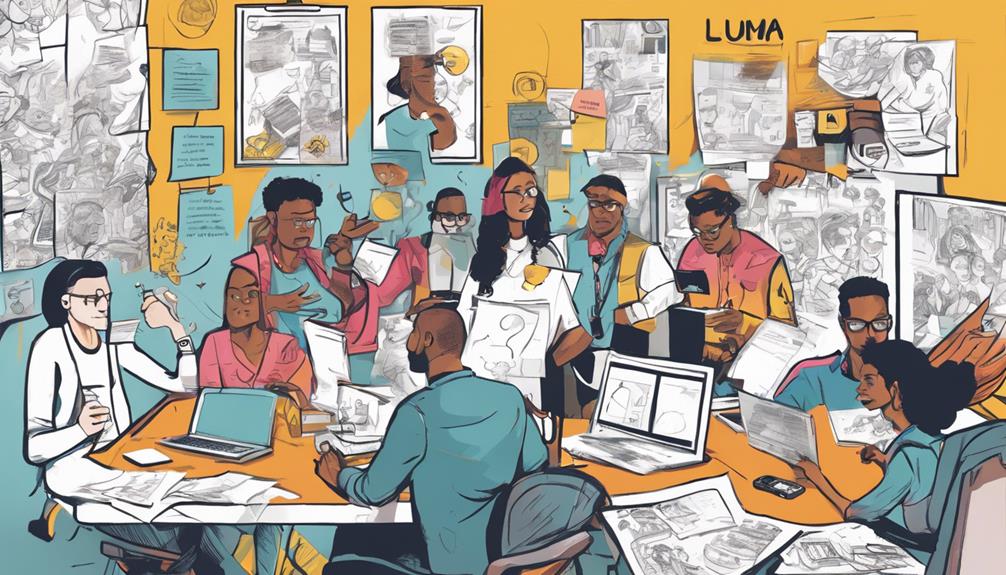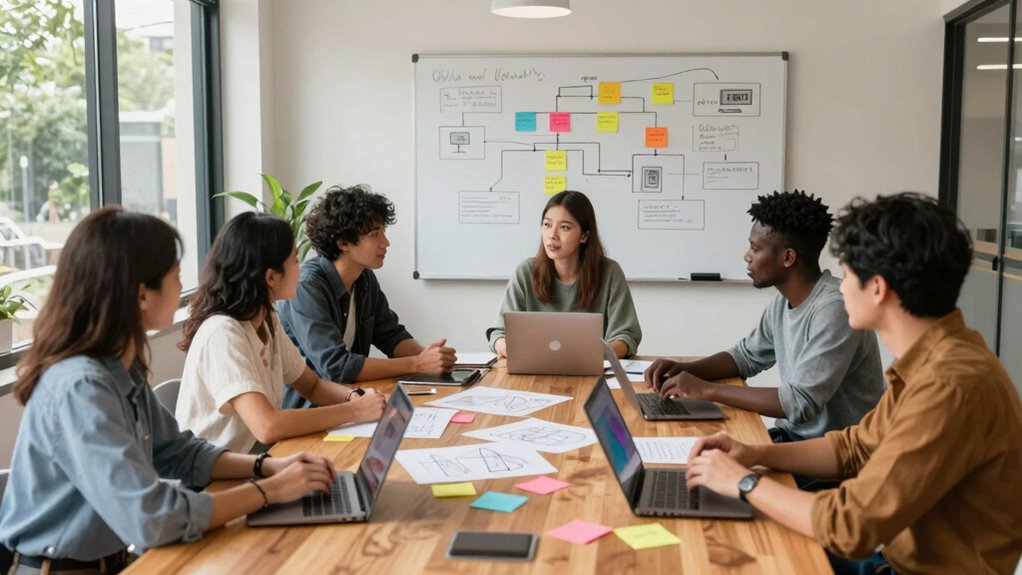

You’ll find that alignment is the most powerful outcome of design thinking because it helps bring teams and stakeholders together around a shared purpose. It fosters collaboration, builds trust, and encourages diverse perspectives, leading to innovative solutions rooted in real insights. When everyone’s on the same page, it streamlines decision-making and accelerates progress. Keep exploring how this alignment can create lasting impacts and transform your approach to problem-solving.

Get business pricing on monitors, keyboards and dev gear
- Business-only prices and quantity discounts
- Tax-exempt purchasing
- Multiple users, one account, clear invoices
Key Takeaways
- Alignment fosters a shared understanding, uniting teams and stakeholders around common goals and user needs.
- It promotes collaborative problem-solving, ensuring solutions are rooted in diverse perspectives and real insights.
- Effective communication and diversity enhance solution robustness and adaptability through constructive debate.
- Alignment accelerates project progress by streamlining decision-making and reducing misunderstandings.
- A culture of alignment builds trust, openness, and resilience, driving sustainable innovation and meaningful change.

Design thinking isn’t just about generating innovative ideas; it’s fundamentally about fostering alignment among diverse teams and stakeholders. When you engage in this process, you quickly realize that the real magic lies in bringing people together around a shared understanding. Empathy building plays an essential role here. By deeply understanding your users’ needs, frustrations, and motivations, you create a common ground that unites everyone involved. This empathy isn’t merely about listening; it’s about immersing yourself in their experiences, which helps you see the problem from multiple perspectives. When team members develop empathy, they start to speak the same language, reducing misunderstandings and aligning their efforts toward a common goal.
Empathy builds shared understanding, uniting teams and aligning efforts toward innovative, user-centered solutions.
As you proceed through the phases of design thinking, you notice how empathy building becomes the foundation for innovation collaboration. When everyone on the team genuinely understands user pain points, it sparks meaningful conversations that lead to more innovative solutions. Instead of working in silos, you and your colleagues exchange ideas freely, knowing that you’re all driven by a shared purpose. This collaborative environment accelerates creativity because it’s rooted in real-world insights, not assumptions. You find that innovation collaboration flourishes when team members feel heard and understood, which only happens through continuous empathy building. Recognizing the importance of user needs in this process ensures that solutions are truly impactful and relevant. Additionally, fostering a shared mindset helps sustain alignment throughout the project lifecycle. Building cross-functional collaboration further amplifies this effect, ensuring diverse perspectives are integrated from the start.
The power of alignment becomes apparent when teams move beyond individual expertise and focus on collective problem-solving. As you facilitate workshops or brainstorming sessions, you see how shared understanding reduces friction. Conflicting opinions give way to constructive debates because everyone’s perspective is valued. When the team aligns around user needs, the solutions you generate are more cohesive and impactful. This alignment also streamlines decision-making, saving time and resources that might otherwise be lost in disagreements or rework. By cultivating a culture of openness and trust, teams can better adapt to changes and emerging insights during the process. Moreover, effective communication plays a crucial role in maintaining this alignment and ensuring that everyone remains focused on the common goal. Integrating diverse perspectives enhances the robustness of your solutions, making them more comprehensive and adaptable.
Ultimately, the most powerful outcome of design thinking isn’t just the innovative solutions you develop but the unity it fosters. By prioritizing empathy building and encouraging innovation collaboration, you create a culture where alignment is natural and sustainable. When everyone shares the same understanding and commitment, your team can move swiftly from ideation to implementation with confidence. This shared purpose not only enhances your project’s success but also builds a resilient foundation for tackling future challenges. In the end, the true strength of design thinking lies in its ability to align people, processes, and ideas into a cohesive force ready to drive meaningful change.
As an affiliate, we earn on qualifying purchases.
Frequently Asked Questions
How Does Alignment Differ From Consensus in Design Thinking?
Alignment in design thinking means everyone shares a common understanding and direction, focusing on stakeholder engagement and fostering creative synergy. It differs from consensus, which often involves everyone agreeing on a specific decision. With alignment, you guarantee all voices are heard, and the team moves forward with a unified purpose. This process encourages collaboration, sparks innovative ideas, and keeps the project on track, even if everyone doesn’t agree on every detail.
Can Alignment Be Achieved Without Compromising Innovative Ideas?
Yes, you can achieve alignment without sacrificing innovative ideas by embracing creative tension and fostering a shared vision. When you encourage open dialogue, diverse perspectives, and respectful debate, you create space for innovation to flourish within a unified direction. This balance allows you to harness creative tension, where new ideas challenge the status quo, ultimately strengthening alignment and driving innovative solutions that everyone supports and believes in.
What Roles Do Leadership and Team Dynamics Play in Alignment?
Leadership and team dynamics drive direction and dedication, fostering firm foundations for alignment. Leadership influence inspires, informs, and instills confidence, guiding teams through uncertainties. Meanwhile, team cohesion cultivates collaboration, communication, and collective commitment. Together, they create a cohesive culture where ideas align seamlessly, ensuring everyone’s efforts are synchronized toward shared goals. Strong leadership and dynamic teamwork generate a unified, unstoppable force that transforms innovative ideas into impactful outcomes.
How Is Alignment Measured or Evaluated in Design Projects?
You measure alignment in design projects by evaluating user experience improvements and stakeholder engagement levels. Look for consistent feedback indicating shared understanding and goals across teams. Use surveys, interviews, and usability testing to gather insights. Track how well the solutions address user needs and how actively stakeholders participate throughout the process. When these elements align, it signals strong project cohesion, ensuring the final design resonates with users and meets business objectives.
What Challenges Commonly Hinder Achieving Alignment Through Design Thinking?
You face challenges like insufficient stakeholder engagement and cultural barriers that hinder alignment in design thinking. While engaging stakeholders fosters shared understanding, cultural differences can create miscommunication and resistance. Balancing diverse perspectives requires patience and adaptability, yet these obstacles often lead to fragmented teams and inconsistent goals. Overcoming them demands proactive communication, cultural sensitivity, and persistent effort to guarantee everyone moves toward a common vision.
As an affiliate, we earn on qualifying purchases.
Conclusion
Remember, alignment isn’t just about agreement—it’s about uniting perspectives to create meaningful solutions. Sure, some might say it’s easier to stick to individual ideas, but true innovation happens when everyone’s on the same page. By embracing alignment through design thinking, you foster collaboration that sparks creativity and drives impactful results. So, don’t shy away from seeking common ground; it’s the secret to turning diverse ideas into powerful outcomes.
As an affiliate, we earn on qualifying purchases.
stakeholder communication software
As an affiliate, we earn on qualifying purchases.
As an affiliate, we earn on qualifying purchases.
Halloween Picks
halloween
As an affiliate, we earn on qualifying purchases.