
The Double Diamond is a visual framework that helps you understand and solve problems effectively. It guides you through two main phases: discovering and defining the real problem, then developing and delivering solutions. By focusing on user research, stakeholder input, and iterative testing, it guarantees your ideas are relevant and impactful. If you want to learn how to apply this proven process for better results, you’ll find useful insights as you explore further.
Key Takeaways
- The Double Diamond is a visual framework guiding problem identification and solution development through four stages: Discover, Define, Develop, and Deliver.
- It emphasizes deep user research and stakeholder engagement to ensure solutions meet real needs and align with business goals.
- The first diamond focuses on exploring and clearly defining the problem, while the second transforms solutions into tangible outcomes.
- The model promotes iterative testing, creative collaboration, and thorough exploration before narrowing down to specific solutions.
- Using the Double Diamond improves workflow, reduces risks, and fosters shared understanding throughout the design process.

The User Experience Team of One: A Research and Design Survival Guide
As an affiliate, we earn on qualifying purchases.
As an affiliate, we earn on qualifying purchases.
Understanding the Core Concept of the Double Diamond

The Double Diamond is a visual framework that guides the design process through two main phases: problem definition and solution development. At its core, it emphasizes understanding users deeply through user research, which helps you uncover needs, behaviors, and pain points. Engaging stakeholders early is equally crucial, as their insights shape the direction and ensure the solution aligns with business goals. This framework encourages you to explore broadly during the first phase, gathering diverse perspectives, before narrowing down to focus on specific challenges. In the second phase, it prompts you to develop and refine solutions based on the insights gathered. By combining user research with stakeholder engagement, the Double Diamond helps you create targeted, effective designs grounded in real-world needs. Additionally, understanding the different brewing methods can influence how you gather insights about user preferences and behaviors related to coffee consumption.

Project Management Templates: Simple Templates to Help You Manage a Great Project
As an affiliate, we earn on qualifying purchases.
As an affiliate, we earn on qualifying purchases.
The First Diamond: Discovering and Defining the Problem

As you start the first diamond, your goal is to uncover and clearly define the core problem you want to solve. Begin with user research to gather insights directly from those affected by the issue. This helps you understand their needs, pain points, and behaviors. Equally important is stakeholder engagement—talking to team members, clients, and other involved parties—to get diverse perspectives. Use this information to frame the problem accurately, avoiding assumptions. The discovery phase involves exploring different angles and asking the right questions. By combining user research with stakeholder input, you ensure the problem is well-understood and defined from multiple viewpoints. Additionally, understanding privacy policies and the use of cookies can inform how user data is collected and respected during research. This foundation guides your next steps, setting a clear direction for developing effective solutions.

Changemakers: How Leaders Can Design Change in an Insanely Complex World
As an affiliate, we earn on qualifying purchases.
As an affiliate, we earn on qualifying purchases.
The Second Diamond: Developing and Delivering Solutions

How do you transform a well-defined problem into effective solutions? You focus on developing and delivering them through clear innovation strategies and active stakeholder engagement. This stage involves generating ideas, refining concepts, and selecting the most promising options. By involving stakeholders early, you ensure your solutions address real needs and gain buy-in. Innovation strategies guide you in exploring creative approaches, testing prototypes, and iterating quickly. As you move toward implementation, stay responsive to feedback and adapt accordingly. The goal is to turn insights into tangible results that solve the initial problem effectively. Remember, this phase isn’t just about creating solutions; it’s about crafting meaningful, viable ones that can be successfully delivered and adopted. Incorporating cultural awareness ensures your solutions are relevant and respectful of diverse contexts.
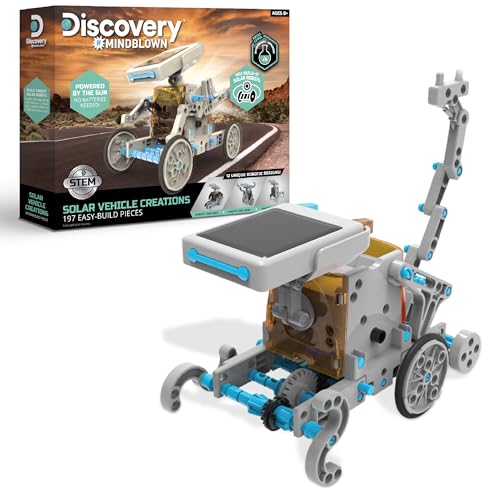
Discovery #Mindblown STEM 12-in-1 Solar Robot Creation 197-Piece Kit with Working Solar Powered Motorized Engine and Gears, Construction Engineering Set for Ages 8 and Up
✔ BUILD 12 DIFFERENT TYPES OF ROBOTS FROM ONE KIT: The Solar Robot Creation Kit comes with all…
As an affiliate, we earn on qualifying purchases.
As an affiliate, we earn on qualifying purchases.
Practical Steps for Applying the Double Diamond in Projects

Applying the Double Diamond effectively requires breaking down its phases into actionable steps that guide your project from start to finish. Begin by clearly defining the problem during the Discover phase, engaging stakeholders early to gather diverse insights. Foster creative collaboration by encouraging open brainstorming sessions, ensuring everyone’s voice is heard. Move into the Define stage by synthesizing your findings into a clear problem statement, involving stakeholders to validate your understanding. During Develop, generate multiple ideas through collaborative workshops, building on collective creativity. Finally, in Deliver, refine your solutions based on feedback, maintaining stakeholder engagement throughout. By actively involving your team and stakeholders at each step, you ensure a smooth, focused process that leverages creative collaboration for effective problem-solving. Additionally, understanding the different phases helps ensure your design process aligns with design thinking principles, promoting innovation and user-centered solutions.
Benefits of Using the Double Diamond Framework

The Double Diamond framework offers several key benefits that can considerably enhance your project’s success. It encourages creative collaboration by providing clear stages that foster diverse ideas and innovative solutions. This structure helps you organize your efforts, ensuring you explore all options thoroughly before narrowing your focus. Additionally, the model promotes stakeholder engagement at every phase, making sure their insights and feedback shape the final outcomes. This iterative process reduces risks and increases the likelihood of delivering solutions that truly meet user needs. By using the Double Diamond, you streamline your workflow, improve communication among team members, and create a shared understanding of project goals. Overall, it’s a practical approach that boosts efficiency, creativity, and stakeholder satisfaction. Emphasizing the importance of iterative prototyping, the framework encourages ongoing testing and refinement to optimize results.
Frequently Asked Questions
How Does the Double Diamond Model Compare to Other Design Frameworks?
You’ll find that the Double Diamond model emphasizes creative collaboration and iterative processes, making it stand out from other frameworks. Unlike linear models, it encourages exploring multiple ideas before narrowing down, fostering innovation. While some frameworks focus solely on problem-solving, the Double Diamond balances divergent and convergent thinking, helping you navigate complex challenges more effectively. This approach promotes flexibility, teamwork, and continuous refinement, setting it apart from more rigid or stage-based design methods.
Can the Double Diamond Be Adapted for Non-Design Projects?
Ever wonder if the Double Diamond can do more than just design? You might be surprised to find that with some creative adaptation, it fits perfectly into non-design projects. Its flexible structure encourages cross-disciplinary application, helping teams explore problems and develop solutions systematically. By customizing the phases, you can leverage this model to tackle business strategies, social initiatives, or even organizational change, making it a powerful tool beyond traditional design boundaries.
What Are Common Pitfalls When Implementing the Double Diamond?
When implementing the double diamond, you often face pitfalls like scope creep and stakeholder misalignment. These issues can cause delays, confusion, and misdirection. To prevent them, you should clearly define your project scope from the start and keep stakeholders aligned through regular communication. By staying focused and managing expectations, you ensure the process stays on track and delivers valuable results without unnecessary detours.
How Long Does Each Phase Typically Take in Real-World Projects?
When considering project timelines, each phase’s duration varies based on scope and complexity. Typically, the discovery phase takes a few weeks to gather insights, while define and develop stages can last several weeks to months. The delivery phase might be shorter or longer depending on the project’s nature. You should plan for flexible phase durations, allowing adjustments as needed to meet project goals and guarantee thorough exploration at each stage.
Are There Digital Tools That Facilitate the Double Diamond Process?
You’ll find many digital tools that facilitate the double diamond process, especially for digital collaboration and virtual workshops. Platforms like Miro, MURAL, and Figma enable you to brainstorm, iterate, and share ideas seamlessly with your team, no matter where you are. These tools support visual mapping, real-time feedback, and collaborative design, making it easier to follow the double diamond phases efficiently and keep everyone engaged throughout the project.
Conclusion
Think of the Double Diamond as your map through a vast, uncharted wilderness. It guides you from spotting the hidden treasures (problems) to crafting your own path (solutions). By following its turns and checkpoints, you guarantee your journey is purposeful and rewarding. Embrace this framework as your trusted compass, helping you navigate complexity with clarity and confidence. With it, you’ll transform wild ideas into well-crafted realities, like a skilled explorer charting new territories.