

To adopt a storyteller’s mindset for framing problems and solutions, focus on emotional intelligence. Understand your audience’s feelings, values, and motivations to craft authentic, relatable stories. Highlight emotional stakes like fear or hope to make problems tangible and urgent. Show solutions with vivid, positive outcomes that resonate with their aspirations. By shifting perspectives and emphasizing emotional connection, you can inspire trust and motivate change—if you keep exploring, you’ll discover how to master this transformative skill.
Key Takeaways
- Use emotional intelligence to identify and highlight the audience’s core feelings and stakes involved in the problem.
- Frame problems with relatable stories that evoke emotions like fear, hope, or frustration to increase urgency.
- Incorporate perspective shifting to understand diverse viewpoints and craft inclusive, resonant narratives.
- Illustrate solutions through vivid stories that showcase benefits, growth, and positive outcomes aligned with audience values.
- Balance authenticity and empathy to create compelling narratives that foster trust and inspire action.

Have you ever wondered what sets great storytellers apart? It’s often their ability to craft narratives that resonate deeply and influence perspectives. At the heart of this skill lies emotional intelligence. When you understand your audience’s feelings, values, and motivations, you can tailor your story to strike a chord. Emotional intelligence isn’t just about empathy; it’s about sensing what others need to hear and responding in a way that creates connection. This awareness allows you to frame problems and solutions with nuance, making your stories more compelling and authentic.
Great storytellers also excel at perspective shifting. They see the world through different eyes, stepping outside their own experiences to understand others’ viewpoints. This skill is crucial because it helps you craft narratives that are inclusive and relatable. When you shift perspectives, you reveal multiple layers of a problem, making it easier for your audience to see themselves in the story. This not only fosters empathy but also broadens understanding, encouraging others to consider new angles and possibilities. Perspective shifting transforms a simple story into a powerful tool for change, enabling you to challenge assumptions and inspire fresh insights.
In framing problems, your emotional intelligence guides you to highlight the emotional stakes involved. Instead of just describing facts, you tap into feelings—fear, hope, frustration—that your audience can relate to. This emotional connection makes the problem tangible and urgent, pushing your audience to engage with it on a deeper level. Conversely, when presenting solutions, you use narrative to paint a vivid picture of the benefits and positive outcomes. You craft stories that demonstrate how overcoming obstacles leads to growth and success, appealing to your audience’s aspirations and values.

The Emotional Intelligence Training Book: From Reaction to Response: 50 Short Lessons in Self-Awareness, Self-Regulation, and Relationships
As an affiliate, we earn on qualifying purchases.
As an affiliate, we earn on qualifying purchases.
Frequently Asked Questions
How Can Storytelling Influence Decision-Making Processes?
Storytelling influences your decision-making by creating emotional engagement and shaping cognitive framing. When you hear a compelling story, it triggers emotions that make you more likely to accept ideas and act on them. Stories help you see problems from new perspectives, making solutions feel more relatable and achievable. By framing information narratively, you’re naturally drawn into evaluating options differently, ultimately guiding your choices more effectively.
What Are Common Pitfalls in Framing Problems Narratively?
You might think framing problems narratively is foolproof, but beware of common pitfalls. Ironically, you can cause problem misinterpretation by oversimplifying complex issues or reinforcing bias through selective storytelling. This traps your audience, skewing perception and limiting solutions. Instead, stay objective and inclusive, ensuring your narrative clarifies rather than distorts, helping others see the real problem without reinforcing harmful biases.
How Do Cultural Differences Impact Storytelling Strategies?
Cultural differences substantially impact your storytelling strategies by shaping how audiences interpret narratives. You need to adapt your stories for cross-cultural narratives, respecting local values and communication styles. When you tailor your storytelling adaptation, you make your message more relatable and engaging across diverse audiences. Recognizing cultural nuances helps you avoid misunderstandings and creates a more effective, inclusive storytelling approach that resonates globally.
Can Storytelling Be Effective in Technical or Scientific Contexts?
Yes, storytelling can be effective in technical or scientific contexts if you focus on narrative simplicity and avoid overwhelming your audience with technical jargon. You should craft clear, engaging stories that highlight real-world implications or human experiences behind complex concepts. By doing so, you make your message accessible, memorable, and impactful, helping your audience grasp intricate ideas without feeling lost in technical details.
What Tools or Techniques Enhance Storytelling Clarity?
You can enhance storytelling clarity by using visualization techniques like diagrams, charts, and infographics to make complex ideas easier to grasp. Incorporate strong narrative structures such as the problem-solution or cause-and-effect frameworks to guide your audience smoothly through your message. These tools help you clarify your story, engage your audience, and guarantee they understand your key points effectively.
storytelling for leaders
As an affiliate, we earn on qualifying purchases.
As an affiliate, we earn on qualifying purchases.
Conclusion
By adopting a storyteller’s mindset, you see problems as opportunities, challenges as stories waiting to be told, and solutions as chapters yet to be written. You embrace the power of framing, shaping narratives that inspire, engage, and influence. You craft stories that resonate, stories that connect, stories that transform. In this mindset, you don’t just solve issues—you create meaning, you ignite change, and you inspire others to see their own stories in a new light.
narrative storytelling guide
As an affiliate, we earn on qualifying purchases.
As an affiliate, we earn on qualifying purchases.
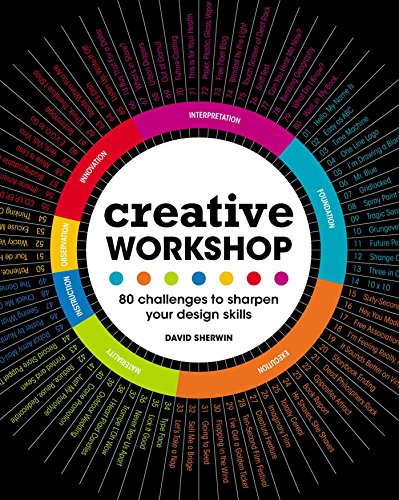
Creative Workshop: 80 Challenges to Sharpen Your Design Skills
books, design, skills, sharpen,
As an affiliate, we earn on qualifying purchases.
As an affiliate, we earn on qualifying purchases.