
When deciding between low-fi and high-fi prototypes, start with low-fi to quickly test ideas and gather user feedback with minimal effort and cost. Use high-fi later to refine details, interactions, and workflows once your core concepts are validated. Understanding when each level works best helps save resources and improves your design process. To find out how to choose the right fidelity at every stage, keep exploring these strategies.
Key Takeaways
- Use low-fi prototypes early for quick idea testing and easy modifications; switch to high-fi once core concepts are validated.
- Choose low-fi for initial user feedback to identify fundamental issues without investing extensive resources.
- Opt for high-fi prototypes later in development to refine details, visuals, and realistic interactions based on user insights.
- Consider resource availability and project stage; low-fi saves time and cost, high-fi provides detailed evaluation.
- Transition from low-fi to high-fi based on the insights gained, ensuring each stage aligns with design goals and user needs.
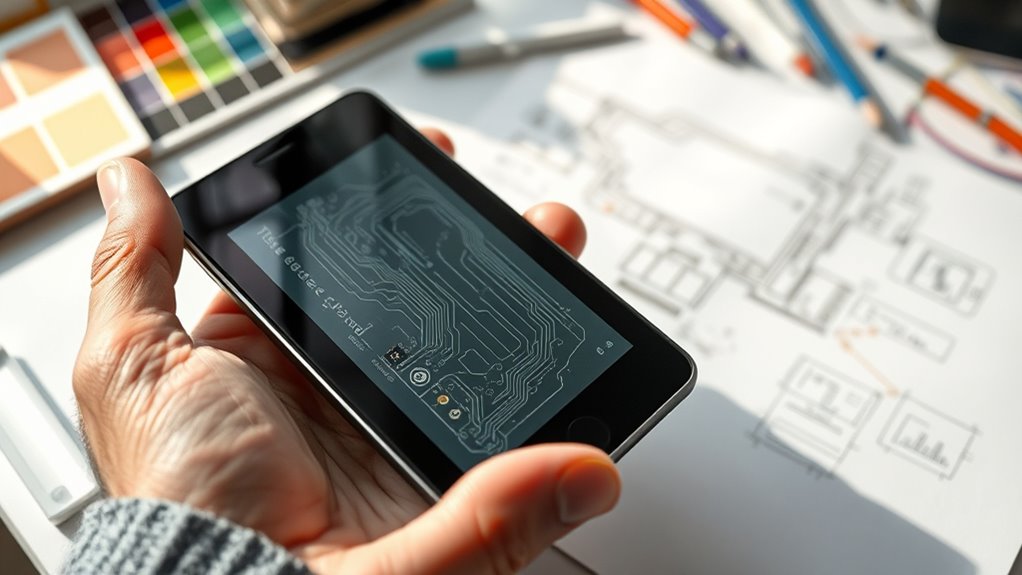
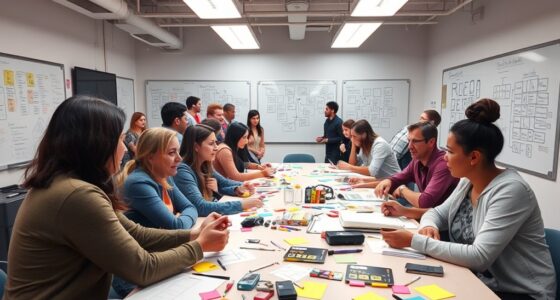
Selecting the right level of prototype fidelity is essential to the success of your design process. Whether you choose a low-fidelity or high-fidelity prototype, your goal is to gather meaningful insights that steer your project in the right direction. Low-fi prototypes are quick, simple, and inexpensive to create, making them ideal for early-stage ideas. They allow you to focus on core concepts without getting bogged down in details. When you start with a low-fi version, you can easily modify your design based on immediate user feedback and conduct iterative testing without significant resource investment. This approach encourages open experimentation and helps you identify fundamental issues early on, saving time and effort down the line. Additionally, understanding auditory processing challenges can help tailor prototypes to better address user needs and improve overall effectiveness.
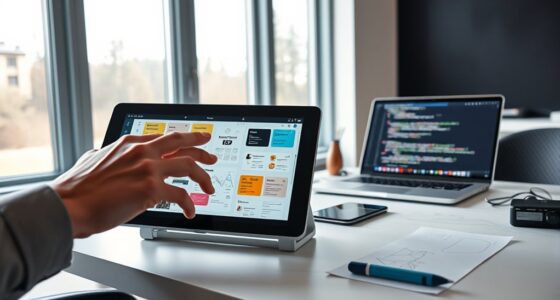
As you progress, you might consider moving to a high-fidelity prototype. These prototypes closely resemble the final product, with detailed visuals, interactions, and sometimes even functioning features. High-fi prototypes are excellent for refining user experience and appraising how users interact with your design in a more realistic context. They also facilitate more accurate user feedback, especially when testing specific features or workflows. However, because high-fi prototypes require more time and resources to develop, it’s best to reserve them for later stages after you’ve validated your core concepts through iterative testing with low-fi versions. This staged approach ensures you’re not investing heavily in details until the fundamental design has been proven effective.
Choosing the appropriate fidelity level depends on your current phase and what you aim to learn. Early on, prioritize low-fi prototypes to quickly test ideas and gather user feedback. This allows you to iterate rapidly, making adjustments based on real user insights without the overhead of complex development. As your design matures, transition to higher fidelity prototypes to deepen your understanding of user interactions and refine visual details. Keep in mind that each stage should be driven by the insights you gain from user feedback, which helps you make informed decisions about whether to iterate further or move closer to final implementation.

Paper Prototyping Notebook: (White) Mobile Design Tool for UX Designers and Product Managers
As an affiliate, we earn on qualifying purchases.
As an affiliate, we earn on qualifying purchases.
Frequently Asked Questions
How Does Prototype Fidelity Impact User Feedback Accuracy?
Higher prototype fidelity improves user feedback accuracy by enhancing visualization clarity, making it easier for users to understand and interact with your design. This leads to more reliable feedback, as users can better grasp features and workflows. Conversely, lower fidelity prototypes might offer less precise insights, but they’re quicker to create. Choose the right fidelity based on your goals to guarantee your feedback remains reliable and actionable.
Can Switching Between Fidelities Cause Project Delays?
Switching between fidelities can cause project delays if you’re not careful, leading to iteration mistakes and inefficient resource allocation. When you change prototypes too often, you risk losing focus and misusing time or funds on unnecessary details. To avoid delays, plan your fidelity shifts thoughtfully, ensuring each iteration aligns with your goals and resources, so you can maintain momentum and keep your project on track.
What Tools Are Best for Low-Fidelity Prototyping?
You should use paper sketches and wireframe tools for low-fidelity prototyping. Paper sketches are quick, inexpensive, and perfect for brainstorming ideas or early concepts. Wireframe tools like Balsamiq, Figma, or Sketch help you create simple, interactive mockups without investing much time or resources. These tools allow you to iterate rapidly, gather feedback early, and keep your project moving efficiently without unnecessary delays.
How Do Stakeholders Perceive High-Fidelity Prototypes?
Stakeholders often see high-fidelity prototypes as highly helpful, highlighting visual clarity and fostering focused feedback. They perceive these detailed designs as demonstrating professionalism and precision, which boosts engagement and trust. However, overly polished prototypes might also lead to unrealistic expectations. To maximize impact, guarantee your high-fidelity prototype clearly conveys the concept, encourages collaboration, and aligns with stakeholder insights, turning detailed visuals into dynamic dialogue and decisive decision-making.
Is It Cost-Effective to Develop High-Fidelity Models Initially?
Developing high-fidelity models initially isn’t always cost-effective since it requires significant resource allocation. You should conduct a thorough cost analysis beforehand to determine if the benefits outweigh the expenses. By starting with low-fi prototypes, you save resources and gather valuable feedback early. This approach allows you to refine your design efficiently before investing in high-fidelity prototypes, ensuring ideal resource allocation and better overall project management.

Designing and Prototyping Interfaces with Figma: Elevate your design craft with UX/UI principles and create interactive prototypes
As an affiliate, we earn on qualifying purchases.
As an affiliate, we earn on qualifying purchases.
Conclusion
Choosing the right prototype fidelity is like finding the perfect pair of shoes—you want them to fit just right for the journey ahead. Whether you opt for low-fi to explore ideas quickly or hi-fi to refine details, remember that each serves a purpose. By understanding when to switch between them, you’ll navigate the design process smoothly, ensuring your product evolves efficiently. Trust your instincts and choose wisely—after all, the right prototype is your roadmap to success.

UI UX Design Note-book | Mobile low-fidelity wireframing sketchbook: A Collection of Mobile Screen Layouts for Rapid Prototyping and Design Sketching
As an affiliate, we earn on qualifying purchases.
As an affiliate, we earn on qualifying purchases.
UX/UI design prototype equipment
As an affiliate, we earn on qualifying purchases.
As an affiliate, we earn on qualifying purchases.