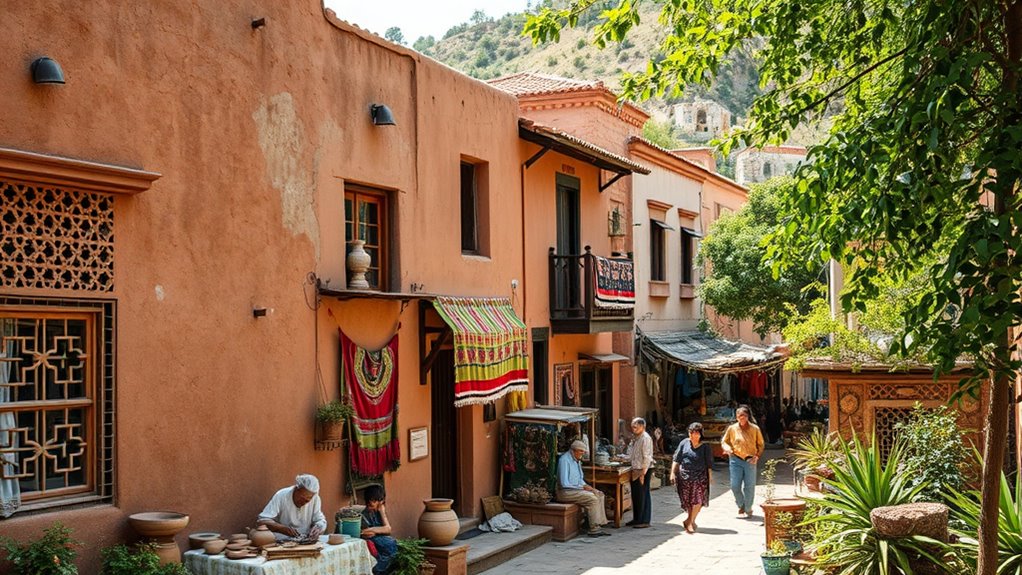

Culturally sustainable design means actively respecting and integrating local customs, knowledge, and traditions into global solutions. By engaging communities and honoring indigenous practices, you create spaces that reflect their identity and promote sustainability. Using traditional materials and techniques helps preserve cultural heritage while supporting ecological harmony. Emphasizing participation guarantees projects are authentic and meaningful. To discover how this approach transforms design practices worldwide, continue exploring how communities and creative solutions come together.
Key Takeaways
- Integrate indigenous knowledge and cultural practices into design to ensure authenticity and community relevance.
- Engage local communities through collaboration to foster trust, respect, and meaningful cultural representation.
- Use traditional materials and techniques to promote sustainability and reflect local environmental contexts.
- Design spaces that facilitate cultural practices and reinforce cultural identity and continuity.
- Prioritize community voices, ensuring solutions respect local histories and adapt to global contexts responsibly.
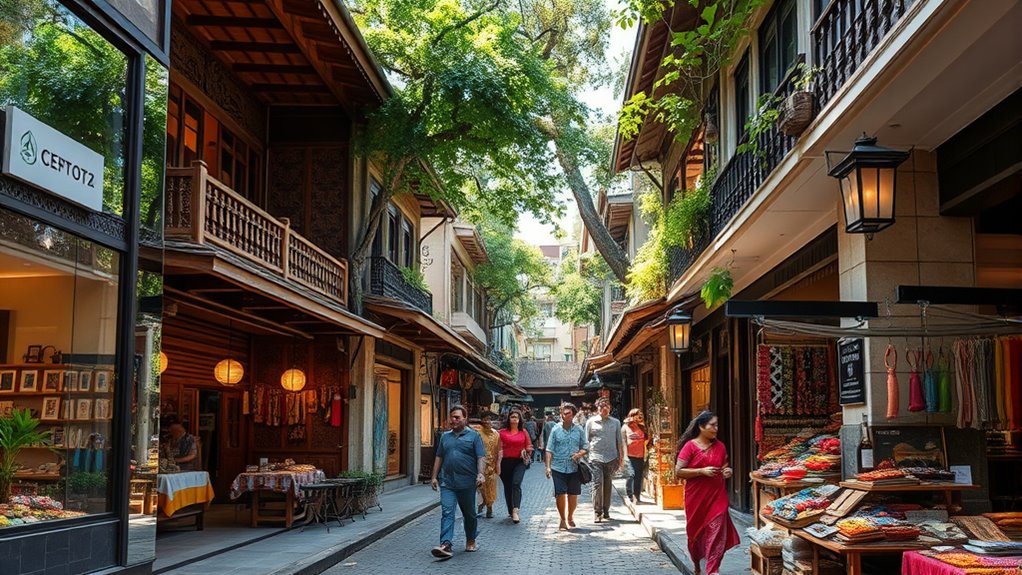
Have you ever considered how design can honor and preserve a community’s cultural identity? When you approach a project with this mindset, you recognize that architecture and design are more than just functional or aesthetic choices—they’re powerful tools for cultural preservation. By integrating indigenous knowledge into your design process, you respect the traditions, stories, and practices that define a community’s unique identity. Indigenous knowledge encompasses centuries of understanding about local ecosystems, building techniques, and social customs, all of which contribute to sustainable living. When you incorporate these insights, you’re not just creating a structure; you’re honoring the community’s history and ensuring that their cultural practices continue to thrive for future generations.
Design that honors community history by integrating indigenous knowledge and sustainable practices.
Culturally sustainable design isn’t about imposing outside ideas; it’s about listening and collaborating. You need to engage with local communities, learning from elders and cultural leaders who possess invaluable knowledge about their environment and heritage. By doing so, you demonstrate respect and foster trust, which leads to more authentic and meaningful projects. This approach helps prevent cultural erasure and promotes a sense of ownership among community members. When your design reflects indigenous knowledge, it becomes more than just a physical space—it embodies cultural preservation, serving as a living testament to a community’s resilience and identity. Incorporating traditional building materials and techniques can further enhance the authenticity and sustainability of your project.
In practical terms, this might mean using traditional building materials, adopting local construction techniques, or designing spaces that facilitate cultural practices. For example, incorporating specific motifs or spatial arrangements that hold cultural significance can reinforce a community’s sense of belonging. When your design respects these traditions, it strengthens cultural continuity and celebrates diversity within a globalized world. It also encourages sustainable practices because indigenous knowledge often emphasizes harmony with the environment, ensuring that your project minimizes ecological impact and sustains local resources.
Ultimately, you play a crucial role in fostering culturally sustainable design by prioritizing the community’s voice and wisdom. Your work becomes a bridge connecting the past, present, and future—a way to honor indigenous knowledge and promote cultural preservation. When you succeed in this, your designs don’t just improve aesthetics or functionality; they empower communities to maintain their cultural integrity. By doing so, you help create spaces that are not only beautiful and functional but also rich with meaning, history, and identity—proof that thoughtful design can truly respect and sustain cultural diversity.
Frequently Asked Questions
How Do Designers Identify Local Cultural Values Effectively?
You identify local cultural values effectively by practicing cultural sensitivity and conducting thorough value assessments. Engage with community members, listen to their stories, and observe daily practices to gain genuine insights. Collaborate with local artisans and leaders to understand traditions deeply. This hands-on approach helps you respect and incorporate authentic cultural elements, ensuring your designs resonate meaningfully with the community’s identity and values.
What Challenges Arise When Balancing Modern Needs With Tradition?
Imagine walking a tightrope between progress and tradition. You face challenges in balancing modern needs with heritage preservation, often feeling torn. Cultural adaptation requires you to innovate without erasing cultural values, but it’s tough to honor the past while meeting future demands. You must navigate this delicate dance carefully, respecting local identities while embracing change, ensuring that progress doesn’t come at the cost of losing your community’s soul.
How Can Local Communities Be Actively Involved in Design Processes?
You can involve local communities through active participation and inclusive community engagement. Facilitate participatory planning sessions where residents share their needs, ideas, and cultural values. Encourage collaboration with local stakeholders to guarantee solutions respect traditions while addressing modern demands. By empowering the community to shape the design process, you foster ownership and ensure the final outcome aligns with their cultural and social context, creating sustainable, respectful solutions that truly serve the community’s interests.
What Are Examples of Successful Culturally Sustainable Projects Globally?
You can look at projects like the Sagrada Família in Spain, which blends cultural authenticity with modern design, or the Rwandan Village of Urukundo, where heritage preservation guides development. These projects succeed because they respect local traditions and involve communities, maintaining cultural integrity. Such initiatives demonstrate that integrating local values and history into design creates meaningful, sustainable solutions that honor cultural identities globally.
How Does Sustainable Design Impact Local Economies?
Sustainable design boosts local economies by fostering economic revitalization and supporting cultural entrepreneurship. When you implement eco-friendly practices, you create jobs, attract tourism, and encourage local businesses to thrive. By respecting cultural traditions and integrating them into your designs, you help conserve unique identities, which enhances community pride and economic resilience. This approach ensures that development benefits everyone, strengthening both the environment and the local economy simultaneously.
Conclusion
By embracing culturally sustainable design, you guarantee that solutions honor local traditions and identities, creating harmony between innovation and heritage. Remember, even as you navigate the digital age, respecting cultural contexts remains timeless—like a trusty compass guiding your choices. When you prioritize understanding and inclusivity, you craft lasting, meaningful spaces that resonate deeply. So, stay rooted in local wisdom, and let your designs be a beacon of respect and sustainability in this interconnected world.