The Slow Design movement encourages you to focus on quality, craftsmanship, and sustainability instead of rushing through projects. It values intentional creation, patience, and thoughtful choices that result in durable, timeless products. By prioritizing eco-friendly materials and skilled techniques, you support authenticity and long-term value. Embracing this approach helps you move away from trends and find deeper satisfaction in meaningful designs. Keep exploring to discover how slow design can transform your approach to creation.
Key Takeaways
- Emphasizes deliberate, thoughtful creation over rapid production to ensure higher quality and sustainability.
- Prioritizes durable, timeless materials and craftsmanship, resisting fleeting trends.
- Encourages eco-friendly material choices and responsible resource use for long-term benefits.
- Focuses on artisanship and traditional techniques, fostering authenticity and skill preservation.
- Aims to develop meaningful connections with materials and consumers through patience and intentionality.
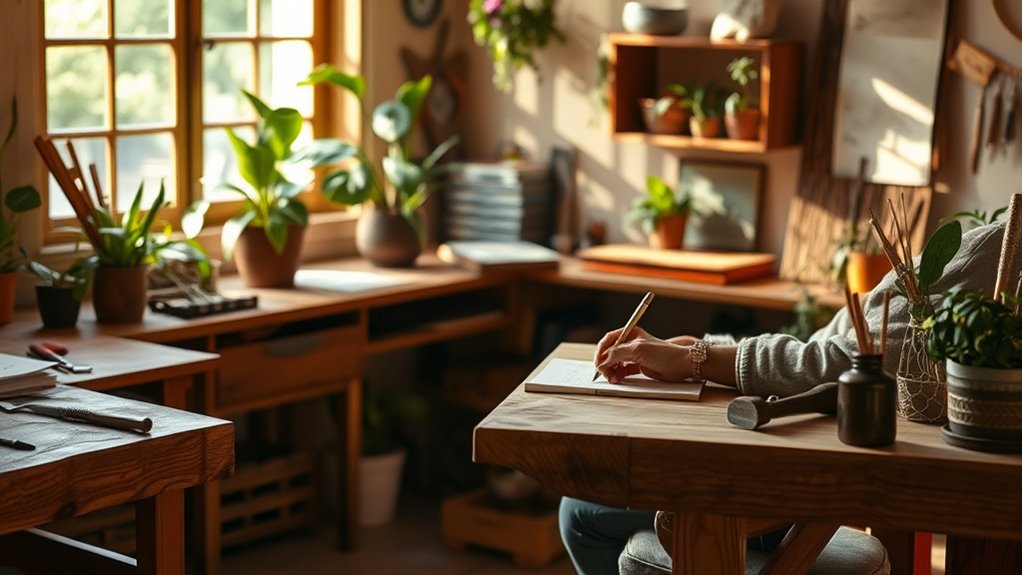
Have you ever wondered if rushing through design processes truly benefits us in the long run? In a world obsessed with instant results and quick turnarounds, the slow design movement invites you to reconsider that mindset. It’s about valuing quality over speed, emphasizing thoughtful creation rather than hurried production. When you adopt this approach, you begin to see design as a process rooted in patience, intentionality, and sustainability. By prioritizing sustainable materials, you reduce environmental impact and create products that stand the test of time. These materials—like reclaimed wood, organic fabrics, or recycled metals—not only lessen your ecological footprint but also add character and authenticity to your work. Choosing sustainable options signals a commitment to long-term thinking, pushing you to look beyond fleeting trends and invest in durability and timelessness. Additionally, incorporating cost and budgeting considerations ensures that your designs remain feasible and responsible over their lifespan.
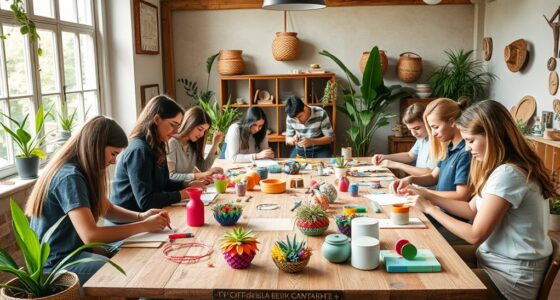
Craftsmanship techniques play a pivotal role in slow design, emphasizing the skill and artistry behind each piece. When you focus on craftsmanship, you’re not just producing something quickly—you’re nurturing a deeper connection to the materials and methods involved. Techniques like hand-looming textiles, wood carving, or metalworking require patience and precision, but they also yield superior quality results. These methods ensure that every detail is carefully attended to, resulting in a finished product that’s both beautiful and resilient. Embracing craftsmanship techniques also means supporting artisans and traditional skills that might otherwise fade away in mass production. This approach encourages a more sustainable and ethically sound cycle of creation, fostering a sense of pride and authenticity in your work.
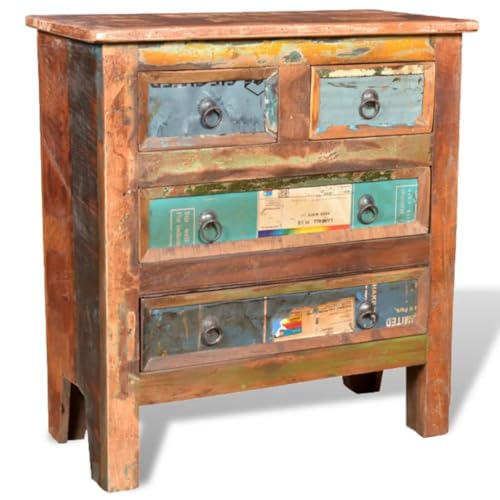
vidaXL Solid Wooden Cabinet with 4 Drawers, Handcrafted from Reclaimed Wood, Ideal for Storage and Decor, Brown, Size: 26" x 12" x 28"
【Prop 65 Warning】: Complies with California Proposition 65 warning for cancer and reproductive harm
As an affiliate, we earn on qualifying purchases.
As an affiliate, we earn on qualifying purchases.
Frequently Asked Questions
How Does Slow Design Impact Environmental Sustainability?
Slow design enhances environmental sustainability by encouraging you to choose eco-friendly materials and focus on durability. This approach reduces waste since products last longer and need fewer replacements. By prioritizing quality over speed, you minimize resource consumption and lessen your ecological footprint. You actively contribute to a healthier planet, promoting responsible consumption and creating a more sustainable future through mindful design choices.
Can Slow Design Be Applied to Digital Products Effectively?
Yes, slow design can be effectively applied to digital products. By focusing on quality, you improve user experience, making interactions more meaningful and less rushed. This approach encourages users to engage thoughtfully, fostering deeper connections with your product. You’ll find that prioritizing careful development and intuitive interfaces increases user engagement over time, leading to greater satisfaction and loyalty. Slow design helps create digital products that are both sustainable and user-centric.
What Are the Economic Benefits of Adopting Slow Design Principles?
By adopting slow design principles, you can achieve cost reduction through fewer revisions and less rework, which saves money over time. Additionally, you foster consumer loyalty by offering higher-quality products that meet customer needs more effectively. This approach encourages trust and satisfaction, leading to repeat business and positive word-of-mouth, ultimately boosting your brand’s reputation and profitability while emphasizing sustainability and thoughtful craftsmanship.
How Do Consumers Respond to Intentionally Slower, More Thoughtful Products?
You notice that consumers often respond positively to intentionally slower, thoughtful products, showing increased consumer appreciation. They value the craftsmanship and attention to detail, which enhances the perceived value of these items. This deliberate approach fosters stronger emotional connections and trust, making customers more loyal. Ultimately, by emphasizing quality over speed, you create products that resonate deeply, encouraging repeat purchases and a more meaningful consumer experience.
What Industries Are Most Receptive to Slow Design Practices?
You’ll find industries like furniture, fashion, and food most receptive to slow design practices. In these fields, there’s a growing craftsmanship revival, emphasizing artisanal techniques that value quality over speed. Consumers appreciate the attention to detail, sustainability, and authentic craftsmanship, making slow design a natural fit. By prioritizing thoughtful, well-made products, these industries stand out in a fast-paced market, fostering loyalty and a deeper connection with their audience.

Simple&opulence 100% Linen Fabric by The Yard – 78" Wide Natural Breathable Linen Cloth for DIY, Embroidery, Sewing, Clothing, Bags, Home Decor, Crafts, and Art Canvases (Linen,1 Yard)
【 100% Natural Linen】Made from 100% natural linen, this linen fabric by the yard is free of harmful…
As an affiliate, we earn on qualifying purchases.
As an affiliate, we earn on qualifying purchases.
Conclusion
So, next time you’re rushing to meet a deadline, remember that slow design champions quality and thoughtfulness—yet ironically, it often takes more time and patience. While you might think speed is everything, embracing the movement reminds you that true value lies in deliberate, mindful creation. Sometimes, the slowest approach actually accelerates progress—if only you’re willing to pause and appreciate the depth behind quality over speed. Irony’s a funny thing, isn’t it?

The Home Blacksmith: Tools, Techniques, and 40 Practical Projects for the Home Blacksmith (Fox Chapel Publishing) Beginner's Guide; Step-by-Step Directions & Over 500 Photos to Help You Start Smithing
As an affiliate, we earn on qualifying purchases.
As an affiliate, we earn on qualifying purchases.

The Art of Gaman: Arts and Crafts from the Japanese American Internment Camps 1942-1946
Used Book in Good Condition
As an affiliate, we earn on qualifying purchases.
As an affiliate, we earn on qualifying purchases.