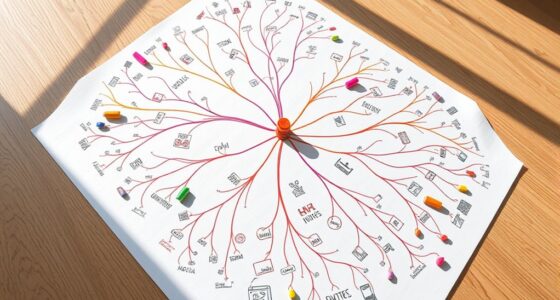

Design charrettes are focused, collaborative sketch sessions that help your team rapidly develop solutions. By combining visual communication, diverse perspectives, and real-time idea sharing, you can accelerate decision-making and foster creative thinking. Sketches and diagrams serve as shared references, making complex ideas easier to understand and refine quickly. Engaging actively in these sessions encourages open dialogue and iterative development. Exploring this approach further reveals how these dynamic meetings can transform your problem-solving process.
Key Takeaways
- Design charrettes are intensive, collaborative sessions focused on rapid problem-solving through team sketching and idea sharing.
- Visual communication during charrettes helps clarify complex issues and fosters quick iteration of solutions.
- Active sketching by participants encourages diverse input and accelerates consensus building.
- The use of quick diagrams and sketches facilitates exploring multiple options efficiently.
- Charrettes create a dynamic environment that promotes open dialogue, shared understanding, and innovative design solutions.

Have you ever wondered how complex design projects come together so smoothly? One key to that seamless process is the use of design charrettes—intensive, focused sessions where teams collaborate rapidly to solve problems and generate ideas. During these sessions, collaborative brainstorming takes center stage, allowing everyone’s insights and expertise to shape the project quickly and effectively. Instead of lengthy meetings that drag on, a design charrette accelerates decision-making by bringing diverse perspectives into a single, dynamic environment. This approach encourages open dialogue, where ideas bounce off each other and evolve in real time, fostering a sense of shared ownership from the start.
A vital element of a successful design charrette is visual communication. As participants sketch, diagram, and visualize concepts, complex ideas become tangible. This visual language helps clarify problems, reveal new possibilities, and guarantee everyone’s on the same page. When you see a rough sketch or a quick diagram, it’s easier to understand how different ideas connect and where adjustments are needed. Visual communication also invites creativity; it lowers the barriers to contribution because even those who aren’t skilled artists can convey their thoughts clearly. This immediacy keeps the momentum going, making it possible to iterate rapidly without getting bogged down in lengthy explanations. Additionally, incorporating visual tools like quick sketches and diagrams enhances idea development and problem-solving efficiency during the session.
During a design charrette, your role involves actively engaging with the team’s efforts, contributing ideas, and responding to others’ sketches and proposals. The fast-paced nature demands that you think on your feet and communicate your thoughts visually whenever possible. You might start with simple sketches, rough layouts, or quick notes, all aimed at fostering clarity and collaboration. As the session progresses, these visual artifacts serve as shared references, helping your team identify strengths and weaknesses in the proposed solutions. The focus isn’t on perfect drawings but on exploring options efficiently and openly.

GIFTEXPRESS Bound Spiral Premium Sketch Book Sketch Pads Set, 4 Pads x30-Sheets, 8.5" X 11" Side Wire Bound, White 120 Paper Sheets for Pencil Ink Pastel (4)
Perfect Sketch Pad – 4 pack bundle of A4 size 60 blank pages each made from acid free…
As an affiliate, we earn on qualifying purchases.
As an affiliate, we earn on qualifying purchases.
Frequently Asked Questions
How Do I Assemble an Effective Design Charrette Team?
You assemble an effective design charrette team by choosing members that bring diverse perspectives and expertise, ensuring team diversity. Include individuals from various disciplines and backgrounds to foster creativity. Assign clear leadership roles to guide discussions and keep the team focused. Select motivated, collaborative participants who are open to sharing ideas. By balancing diversity and strong leadership, you create a dynamic team capable of rapid problem-solving and innovative solutions.
What Tools Enhance Collaboration During Rapid Sketch Sessions?
You can enhance collaboration during rapid sketch sessions by leveraging digital collaboration tools and sketching apps. These tools enable real-time sharing, instant feedback, and seamless idea exchange among team members, even remotely. Using digital sketching tools like tablets or collaborative platforms helps everyone contribute simultaneously, fostering creativity and efficiency. Incorporate these tools into your sessions to streamline communication, encourage diverse input, and accelerate problem-solving processes effectively.
How Long Should a Typical Design Charrette Session Last?
A typical design charrette session should last about 2 to 4 hours, allowing enough time for focused collaboration without fatigue. You should prioritize effective time management to keep the session productive and plan sessions regularly, perhaps weekly or biweekly, to maintain momentum. Shorter, more frequent sessions often lead to better ideas and team engagement, ensuring continuous progress and fresh perspectives on problem-solving.
Can Design Charrettes Be Adapted for Remote Teams?
Yes, you can adapt design charrettes for remote teams by leveraging virtual collaboration tools and remote facilitation techniques. Use video conferencing to enable real-time interaction, and digital whiteboards or sketching apps to mimic in-person brainstorming. Set clear agendas, encourage active participation, and schedule regular breaks to keep energy high. This approach guarantees your team stays engaged, creatively solves problems, and maintains effective communication regardless of physical distance.
What Are Common Pitfalls to Avoid in a Design Charrette?
Think of a design charrette as a tightrope walk—balance is key. To avoid pitfalls, you must actively overcome groupthink by encouraging diverse ideas and dissenting voices. Manage time constraints carefully, so the session doesn’t turn into a frantic scramble or a sluggish drift. If you neglect these, you risk stifling creativity or rushing solutions, which can undermine the entire effort. Stay vigilant, and your team will stay on course.

Whiteboard Selling: Empowering Sales Through Visuals
As an affiliate, we earn on qualifying purchases.
As an affiliate, we earn on qualifying purchases.
Conclusion
As you gather around the table, sketching out ideas in swift, confident strokes, you feel the energy of collaboration pulsing through the room. The vibrant sketches come alive with possibilities, each line a step closer to a solution. With every quick sketch, you paint a clearer picture of the future, transforming chaos into clarity. In these rapid team sessions, you access creativity’s power—turning shared visions into tangible designs that shape tomorrow.

DSTELIN Blank Spiral Notebook, 2-Pack, Soft Cover, Sketch book, 100 Pages / 50 Sheets, 7.5 inch x 5.1 inch, 100GSM, (Black)
Size: 19cm x 13cm / 7.5 inch x 5.1 inch, perfect size for handbag, schoolbag or backpack.
As an affiliate, we earn on qualifying purchases.
As an affiliate, we earn on qualifying purchases.

Rich Pictures: Encouraging Resilient Communities (Earthscan Tools for Community Planning)
As an affiliate, we earn on qualifying purchases.
As an affiliate, we earn on qualifying purchases.