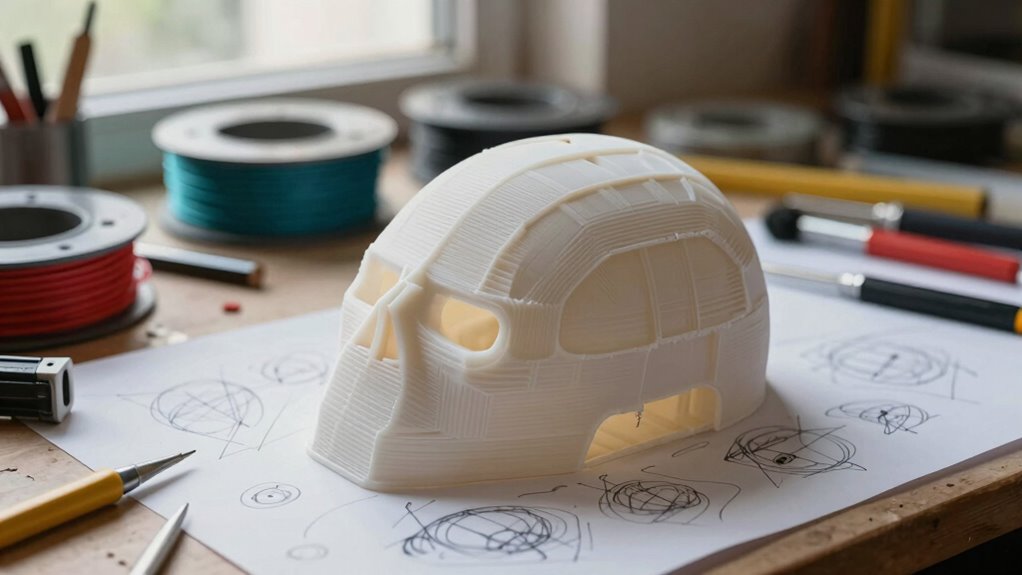

Faster iteration helps you learn quickly, identify flaws early, and refine your design more effectively than chasing perfect finishes. By focusing on quick, functional prototypes, you save time and resources while gathering valuable feedback from users and stakeholders. This approach encourages experimentation, embraces imperfections as learning opportunities, and keeps your project adaptable. If you want to discover how to implement this strategy and boost your creativity, there’s more to uncover below.
Key Takeaways
- Rapid iteration allows early testing and validation, uncovering issues before costly investments in perfecting finishes.
- Focusing on speed over perfection accelerates learning and helps refine core concepts efficiently.
- Faster prototypes enable quicker stakeholder feedback, guiding more effective design adjustments.
- Emphasizing functionality and core ideas early prevents overinvestment in unnecessary details or finishes.
- Continuous, quick refinements foster adaptability and innovation, leading to better-aligned final solutions.

Rapid Prototyping of Digital Systems: SOPC Edition
As an affiliate, we earn on qualifying purchases.
As an affiliate, we earn on qualifying purchases.
Why Faster Iteration Beats Perfect Finishes in Early Prototyping
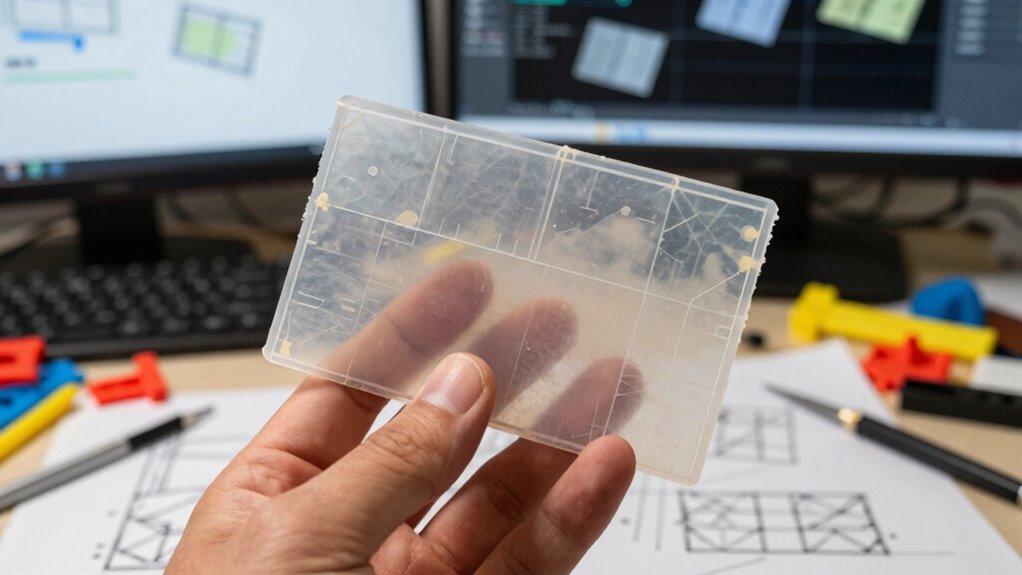
While it might be tempting to focus on creating a polished prototype, faster iteration actually offers more advantages in early prototyping. When you prioritize quick cycles, you can test different design aesthetics swiftly, gaining valuable insights into what works and what doesn’t. Rapid iteration allows you to experiment with material selection, seeing how different options impact functionality and appearance without getting bogged down in details. This approach helps you identify flaws early, saving time and resources. Instead of obsessing over perfect finishes, you focus on learning and refining your concept. By embracing speed, you gain a clearer understanding of your design’s core strengths, making your final product more aligned with user needs and expectations. Additionally, adopting an adaptable, long-term structure enables continuous improvement and flexibility throughout the development process.
quick iteration prototyping tools
As an affiliate, we earn on qualifying purchases.
As an affiliate, we earn on qualifying purchases.
How to Implement Fast Iterations in Your Design Process

To implement fast iterations, focus on quick prototyping cycles that keep your team moving forward. Prioritize functionality over aesthetics in early versions to gather useful feedback faster. Use iterative testing methods to identify issues early and refine your design efficiently. Emphasize sustainable and impact-driven development practices to ensure your prototypes align with regenerative principles.
Emphasize Rapid Prototyping Cycles
Implementing rapid prototyping cycles requires you to prioritize speed and flexibility in your design process. Focus on quick material selection to create prototypes that reflect your ideas without delay. Use readily available, easy-to-work-with materials to streamline the process. This approach allows you to test concepts early and identify issues fast. During each cycle, concentrate on aesthetic refinement, adjusting shapes, surfaces, and visual details quickly rather than perfecting every element. Embracing rapid iterations means accepting imperfections and learning from each version. By consistently cycling through design, testing, and refining, you’ll develop a clearer understanding of what works and what doesn’t. Incorporating early socialization and testing can reveal unexpected issues and opportunities for improvement. This iterative mindset accelerates progress, saving time and effort compared to waiting for perfect finishes before moving forward.
Prioritize Functionality Over Aesthetics
Focusing on functionality first allows you to iterate quickly without getting bogged down by aesthetic considerations. Prioritizing core features helps you test ideas and identify issues early, without wasting time on visual refinement. In the beginning, aesthetics are less critical; what matters is whether your design solves the problem effectively. Resist the urge to perfect visual details or worry about appearance, as these can slow down progress. Instead, aim for a rough, functional prototype that demonstrates how your concept works. This approach enables rapid feedback and adjustments, ensuring you refine the core experience before investing time in aesthetic refinement. By emphasizing functionality over aesthetics initially, you speed up your development cycle and create a stronger foundation for later visual enhancements.
Use Iterative Testing Methods
Adopting iterative testing methods accelerates your design process by allowing you to make quick, informed adjustments. Start with simple prototypes that focus on core functionalities, not finishes. During testing, gather feedback from stakeholders early and often to identify issues with material selection or usability. This ongoing engagement helps you refine your design without wasting time on unnecessary perfection. Use rapid cycles to test different materials, gather insights, and adjust your approach swiftly. Each iteration provides valuable data, enabling you to improve your prototype efficiently. By embracing a loop of continuous testing and stakeholder input, you guarantee your design evolves based on real-world needs, ultimately saving time and resources while moving closer to an effective, functional product.

Weaving the Web: The Original Design and Ultimate Destiny of the World Wide Web
As an affiliate, we earn on qualifying purchases.
As an affiliate, we earn on qualifying purchases.
The Benefits of Gathering Feedback Early and Often

Gathering feedback early and often can considerably improve your prototyping process by catching issues before they become costly or difficult to fix. When you seek input frequently, you gain insights into the user experience, allowing you to identify pain points and usability concerns early. This ongoing feedback helps you refine aesthetic considerations, ensuring your design aligns with user preferences and expectations. By involving stakeholders and potential users early, you avoid investing too much time in features or finishes that may not resonate. Regular feedback loops lead to a more adaptable, user-centered design process. As a result, your prototypes become more functional and visually appealing, accelerating development and reducing the risk of major revisions later.

ELEGOO 32 Pcs Double Sided PCB Board Prototype Kit for DIY Soldering with 5 Sizes Compatible with Arduino Kits
★32 pieces double sided PCB prototype boards well packed in a plastic tray which is very easy to…
As an affiliate, we earn on qualifying purchases.
As an affiliate, we earn on qualifying purchases.
Viewing Flaws as Opportunities to Improve
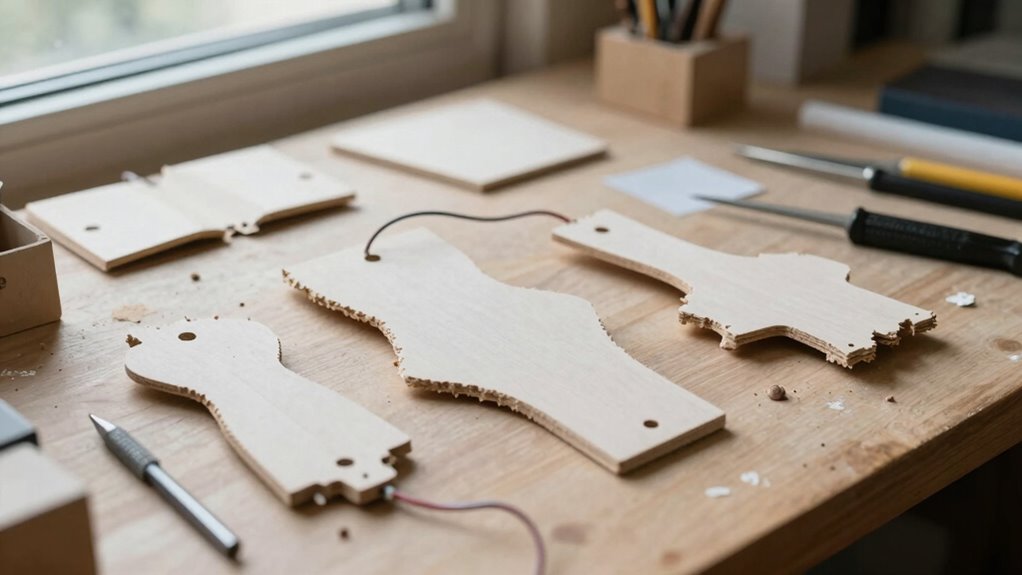
When you encounter flaws in your prototypes, view them as valuable learning opportunities rather than setbacks. Adopting a design mindset that embraces flaw acceptance helps you see imperfections as essential steps toward improvement. Instead of aiming for perfection early on, recognize that each flaw reveals insights about user needs and functionality. By analyzing these issues objectively, you can make targeted adjustments, accelerating your development cycle. Flaws aren’t failures—they’re feedback that guides your next iteration. Incorporating visual and auditory cues related to project resolution and color accuracy can further inform your improvements. Utilizing natural pool design elements can inspire innovative solutions in your prototypes, encouraging more creative experimentation. This mindset fosters resilience and continuous learning, empowering you to iterate faster. Embracing flaws as part of the process reduces fear of mistakes and encourages experimentation. Recognizing that curiosity can lead to innovative solutions helps you stay open to discovering new approaches. Additionally, understanding the importance of vetted feedback from users or peers can streamline your refinement process. Ultimately, flaw acceptance transforms challenges into opportunities, helping you refine your design more effectively and efficiently.
Boost Creativity by Running Shorter Development Cycles

Running shorter development cycles helps you test ideas quickly and gather feedback faster. This approach encourages adaptive thinking, so you can pivot and refine your concepts without wasting time. It also reduces risks by catching issues early, keeping your project flexible and innovative.
Accelerate Idea Testing
Have you ever wondered how quickly you can validate an idea before investing too much time? The key is to accelerate your idea testing. Engage your users early and often—gather their feedback to identify what works and what doesn’t. Shorter development cycles encourage rapid experimentation, allowing you to refine concepts quickly. Collaboration plays an essential role here; by involving diverse perspectives, you can spot potential issues and opportunities faster. This iterative process keeps your team focused and adaptable, reducing time spent on features that don’t resonate. Remember, the goal isn’t perfection but learning. The faster you test and adjust, the more confident you become in your ideas, setting the stage for smarter, more effective prototypes.
Encourage Adaptive Thinking
Encouraging adaptive thinking is essential for fostering creativity, especially when you embrace shorter development cycles. This mindset shift allows you to remain flexible and open to change, which is vital in early prototyping. Instead of sticking rigidly to a fixed plan, you adopt adaptive approaches that promote experimentation and learning. When you run shorter cycles, you can quickly test ideas, gather feedback, and adjust your designs accordingly. This iterative process keeps your team engaged and encourages innovative solutions. By fostering an environment where adaptability is valued, you increase your chances of discovering better concepts faster. Incorporating automated testing techniques can also help streamline your workflow and reduce clutter, making your prototyping process more efficient. Ultimately, embracing adaptive thinking transforms challenges into opportunities, making your prototyping process more dynamic and responsive to real-world needs.
Reduce Development Risks
By adopting shorter development cycles, you can substantially reduce the risks associated with innovation. Rapid iterations allow you to gather early feedback through market analysis, revealing potential flaws or misaligned features quickly. This prevents investing heavily in ideas that won’t succeed. Efficient resource allocation becomes easier since you can pivot or cut projects before large investments are made. Visualize this process:
| Stage | Focus |
|---|---|
| Initial Concept | Test core assumptions |
| Prototype Development | Gather user insights |
| Feedback Loop | Refine or discard ideas |
| Market Testing | Validate demand |
| Final Adjustment | Minimize costly mistakes |
This approach keeps risks manageable, ensures your resources are directed wisely, and boosts your chances of successful innovation.
Practical Tips to Start Rapid Prototyping Today
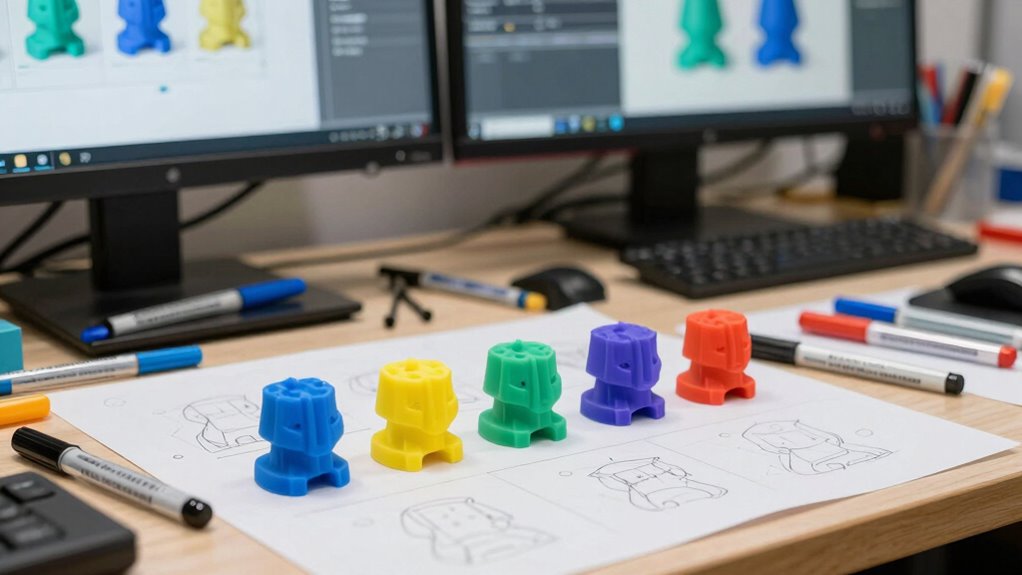
Wondering how to immerse yourself in rapid prototyping quickly? Start by focusing on material selection; choose inexpensive, easy-to-work-with options like foam, cardboard, or 3D-printed plastics. These materials enable swift iterations without costly delays. Next, guarantee stakeholder alignment early on—clarify expectations and gather feedback often. Regular check-ins help prevent rework and keep everyone on the same page. Use simple tools like sketching, digital mockups, or quick 3D prints to visualize ideas fast. Keep your prototypes basic but functional enough to test core concepts. By prioritizing material choice and stakeholder communication, you’ll accelerate learning and refine your design efficiently. Remember, rapid prototyping is about speed and learning, not perfection from the start.
Frequently Asked Questions
How Do I Balance Speed With Quality in Early Prototypes?
To balance speed with quality in early prototypes, prioritize design flexibility and focus on key iteration metrics like user feedback and functionality. Don’t aim for perfection; instead, quickly test ideas and refine based on real insights. This approach allows you to identify what works, improve efficiently, and avoid wasting time on unnecessary details. Keep your process agile, and remember, rapid iterations lead to better, more viable final designs.
What Tools Are Best for Rapid Prototyping?
Did you know that 70% of startups find rapid prototyping tools essential for success? For quick results, use tools like 3D printers and CAD software, which offer great design flexibility and easy material selection. These tools let you iterate fast, test ideas, and refine your prototypes without costly delays. They’re perfect for early stages where speed and adaptability matter most, helping you develop better solutions faster.
How Do I Manage Team Expectations During Quick Iterations?
You should communicate openly with your team about the importance of quick iterations for learning and improvement. Keep stakeholder alignment clear by setting expectations early about evolving designs and potential changes. Manage resource allocation wisely to support rapid testing without burnout. Regular updates and transparency help everyone stay on the same page, ensuring your team remains motivated and focused on refining the prototype efficiently while embracing the iterative process.
When Should I Decide to Finalize a Prototype?
Like a coder debugging code in a dark room, you should finalize your prototype once you’ve tested enough design flexibility and material selection to meet your core goals. When further tweaks no longer substantially improve functionality or user experience, it’s time. Waiting too long can waste resources, while rushing may overlook critical insights. Trust your iterative process—finalize when your prototype reliably demonstrates the concept’s potential and aligns with project needs.
How Can I Ensure User Feedback Is Effectively Integrated?
You can guarantee user feedback is effectively integrated by actively engaging users early and often, encouraging honest input, and analyzing their responses for patterns. Keep stakeholder communication clear by sharing feedback insights regularly, demonstrating how their input influences design changes. This ongoing dialogue boosts user engagement and fosters a collaborative environment. By iterating quickly based on feedback, you refine your prototype efficiently, leading to a product that better meets user needs.
Conclusion
Remember, rushing to refine can hinder your progress. It’s better to boldly build, break, and bounce back with brisk, bright iterations. Embrace errors as exciting opportunities, and don’t delay development for perfection. By prioritizing rapid, repetitive testing, you’ll foster faster feedback, fabulous findings, and fruitful fixes. So, start swiftly, iterate intentionally, and ignite your innovative ideas—because in early prototyping, progress, not perfection, paves the path to success.