
TL;DR

Get business pricing on monitors, keyboards and dev gear
- Business-only prices and quantity discounts
- Tax-exempt purchasing
- Multiple users, one account, clear invoices
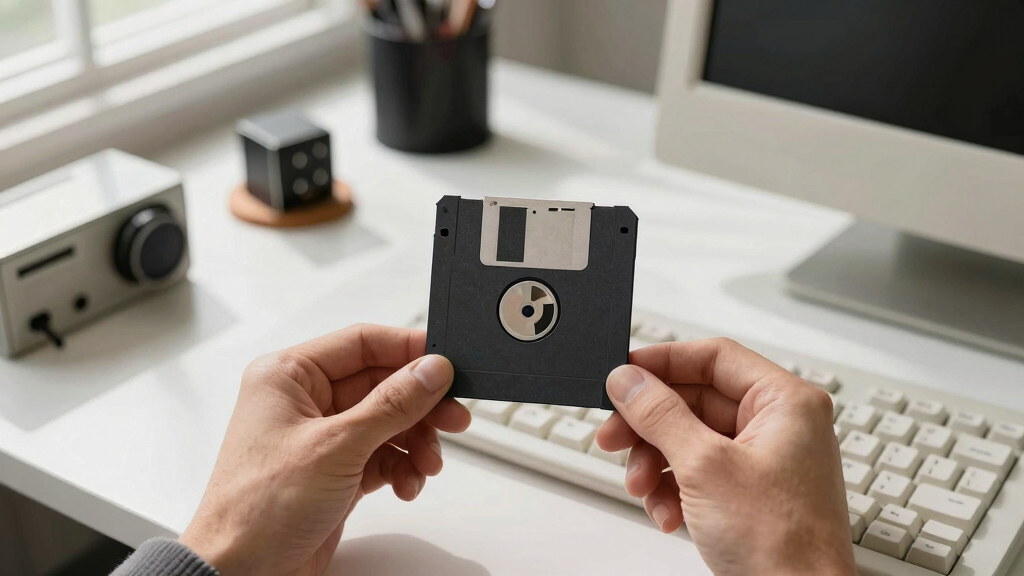
Cambridge University has released a guide to help preserve data from fragile floppy disks. The initiative aims to address the risk of data loss from aging media. The guide offers practical methods for safe data recovery and long-term storage.
Cambridge University has published a new guide aimed at helping archivists, institutions, and individuals preserve data stored on aging fragile floppy disks. The guide provides practical methods to recover and safeguard data before it becomes irretrievable, addressing a growing concern over the preservation of digital history.
The ‘Copy That Floppy’ guide was released by Cambridge’s digital preservation team to assist in the safe recovery of data from disks that are increasingly vulnerable to physical deterioration. The guide emphasizes careful handling, appropriate hardware, and specific techniques to minimize data loss during transfer. It also recommends best practices for long-term storage of digital copies, ensuring future access.
According to Dr. Emily Carter, lead author of the guide, the initiative responds to the widespread risk of data loss from obsolete media. She stated, ‘Many valuable digital records stored on floppy disks are at risk of being lost forever unless proper preservation methods are employed.’ The guide is intended for archivists, museums, libraries, and private collectors facing the challenge of digitizing and preserving legacy media.
While the guide provides detailed procedures, it does not include new hardware innovations but instead consolidates existing best practices tailored for floppy disks’ unique fragility. It also highlights common pitfalls, such as using incompatible drives or neglecting environmental conditions that accelerate deterioration.
Why Preserving Floppy Disk Data Is Critical Now
This initiative is significant because large volumes of digital data—including historical documents, software, and personal records—are stored on floppy disks that are now decades old and highly susceptible to physical damage. Without proper preservation, these digital assets risk being lost permanently, impacting historical research, software preservation, and personal archives.
The guide by Cambridge underscores a broader challenge in digital preservation: safeguarding legacy media before it becomes unreadable. As hardware becomes obsolete and disks deteriorate, timely intervention is essential to prevent irreversible data loss. The effort also highlights the importance of establishing standardized procedures for handling fragile media, which can be adopted by institutions worldwide.
external floppy disk drive for data recovery
As an affiliate, we earn on qualifying purchases.
As an affiliate, we earn on qualifying purchases.
Background on Floppy Disk Obsolescence and Preservation Efforts
Floppy disks, once a common medium for data storage in the late 20th century, have largely been phased out in favor of modern storage solutions. However, many organizations and individuals still possess significant archives stored on these disks. Over time, physical media like floppy disks are prone to degradation from environmental factors such as humidity, heat, and mechanical wear.
Previous efforts to recover data from floppy disks have often been hampered by incompatible hardware, lack of standardized procedures, and the disks’ fragile condition. The challenge has grown as the hardware needed to read these disks becomes increasingly scarce and obsolete. The Cambridge guide aims to fill this gap by providing a clear, practical resource for safe data recovery.
Historically, institutions like the British Library and national archives have undertaken floppy disk digitization projects, but many smaller collections remain at risk. The new guide seeks to democratize preservation efforts, making it accessible to a wider audience.
“Many valuable digital records stored on floppy disks are at risk of being lost forever unless proper preservation methods are employed.”
— Dr. Emily Carter
As an affiliate, we earn on qualifying purchases.
Uncertainties About Hardware Compatibility and Long-Term Effectiveness
It remains unclear how widely adopted the guide will become or whether it will lead to standardized practices globally. Additionally, questions persist about the availability of compatible hardware for reading very old floppy disks and whether new hardware solutions will emerge to facilitate preservation efforts.
Furthermore, the long-term effectiveness of the recommended preservation techniques has not yet been tested across different disk types and storage environments, leaving some uncertainty about their universal applicability.
As an affiliate, we earn on qualifying purchases.
Next Steps for Floppy Disk Data Preservation
Cambridge plans to promote the guide through academic and professional networks, encouraging institutions and collectors to implement its recommendations. Future efforts may include developing specialized hardware or software tools based on the guide’s principles. Researchers and archivists will likely monitor the success of initial data recovery projects and refine techniques accordingly.
Additionally, collaborations with hardware manufacturers could emerge to produce more reliable drives for legacy media, further supporting preservation initiatives.
archival storage for fragile media
As an affiliate, we earn on qualifying purchases.
As an affiliate, we earn on qualifying purchases.
Key Questions
Who is the target audience for the Cambridge floppy disk preservation guide?
The guide is aimed at archivists, librarians, museum professionals, private collectors, and anyone involved in digital preservation or handling legacy media.
Does the guide recommend specific hardware for reading floppy disks?
The guide emphasizes careful selection of compatible drives and advises consulting hardware specialists, but it does not endorse particular brands or models.
Can individuals use this guide to recover data from their personal floppy disks?
Yes, the guide provides practical steps suitable for individual users with some technical knowledge, though professional assistance is recommended for valuable or fragile disks.
Will the guide be updated as new preservation techniques develop?
Cambridge intends to update the guide periodically to incorporate new research, hardware developments, and best practices in digital preservation.
Why is floppy disk preservation still relevant today?
Despite being obsolete, many important historical, personal, and institutional data remain stored on floppy disks, making preservation crucial to maintaining digital heritage.
Source: hn
Fall Picks
fall essentials
As an affiliate, we earn on qualifying purchases.