

TL;DR
The EU Commission has officially determined that Facebook and Instagram’s design practices violate the Digital Services Act. This marks a significant step in regulating tech giants for addictive features. The companies face potential penalties, but specific sanctions are yet to be announced.
The European Union’s Commission announced on March 2024 that Facebook and Instagram have violated the Digital Services Act (DSA) by employing addictive design features. This is the first formal enforcement action against major social media platforms under the new regulation, emphasizing EU’s commitment to curbing harmful online practices. The decision could lead to fines or operational restrictions for the companies, making it a landmark in digital regulation.
The EU Commission’s Digital Services Act enforcement team concluded that Facebook and Instagram used design elements that encourage excessive engagement, such as infinite scrolling, personalized notifications, and algorithmic feeds optimized for prolonged use. These practices are considered in breach of the DSA, which aims to increase transparency and accountability for online platforms. The Commission’s investigation was prompted by concerns raised by consumer rights groups and digital safety advocates.
According to the EU official statement, the platforms’ design choices are deemed to intentionally exploit behavioral psychology to increase user engagement, potentially leading to addiction, especially among minors. The Commission has not yet specified penalties but indicated that formal sanctions could follow if the platforms do not amend their practices within a designated timeframe.
This development signals a significant shift in how the EU enforces digital regulation, holding major platforms accountable for design choices that impact user well-being. It underscores the EU’s intent to limit addictive features and increase platform transparency, which could influence global standards. For Facebook and Instagram, this represents a potential risk of fines, operational restrictions, or mandated changes to platform design, affecting their business models and user engagement strategies.
As an affiliate, we earn on qualifying purchases.
EU’s Digital Services Act Enforcement Milestone
The Digital Services Act (DSA), enacted in 2022, aims to regulate large online platforms by imposing transparency, accountability, and safety standards. This is the first major enforcement action since its implementation, targeting practices that may harm users, especially vulnerable groups like minors. The investigation into Facebook and Instagram followed mounting concerns over their addictive design elements, which critics argue contribute to mental health issues and excessive screen time.
Previous regulatory efforts focused on transparency and content moderation; this action marks a broader scope, targeting platform architecture and user engagement techniques. The EU has previously issued warnings to other tech firms, but this is the first formal breach finding under the DSA framework.
“We are committed to ensuring that online platforms prioritize user safety and transparency. The findings against Facebook and Instagram demonstrate that current practices must change.”
— EU Digital Commissioner
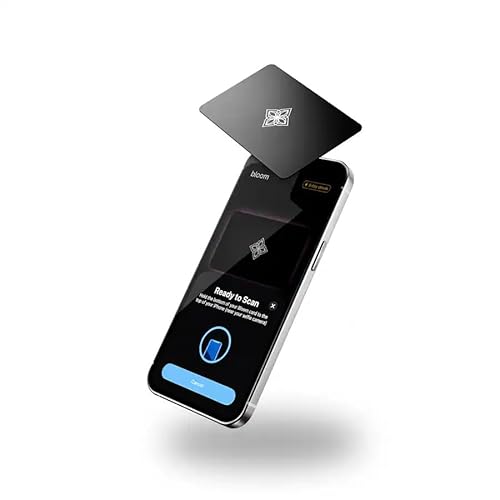
Bloom Card – App Blocker & Screen Time Tool – As Seen On Shark Tank – Subscription-Free Focus Device – Stainless Steel Keycard for iPhone & Android
- Instant App and Website Locking: Tap to block distractions quickly
- Physical Distraction Barrier: Requires physical card to unlock
- Comprehensive Focus Tools: Includes schedules, child mode, and break timers
As an affiliate, we earn on qualifying purchases.
As an affiliate, we earn on qualifying purchases.
Details of Potential Sanctions and Platform Responses
It is not yet clear what specific penalties or sanctions the EU will impose on Facebook and Instagram. The companies have stated they are reviewing the findings but have not announced plans to amend their design practices. The timeline for compliance and enforcement actions remains to be seen, and the impact on platform operations is still uncertain.

The Teen’s Social Media Survival Workbook: THRIVE ONLINE: Build Healthy Habits & Boost Mental Well-being For Good (Interactive Guide)
As an affiliate, we earn on qualifying purchases.
As an affiliate, we earn on qualifying purchases.
The EU Commission is expected to issue formal notices to Facebook and Instagram, outlining required changes and potential sanctions if non-compliance persists. Both companies may face fines or operational restrictions if they do not address the issues within the prescribed timeframe. Additionally, the case could set a precedent for other platforms to review and modify their design practices to avoid similar enforcement actions.

Bark Phone – Safest Phone for Kids & Teens – Monitor Texts, Social Media, and More – Tamper Proof Parental Controls – GPS Tracking – Unlimited Talk/Text A16
- Activation Required: Choose a monthly data plan
- Advanced Monitoring: Alerts for texts, emails, and social media
- Parental Controls: Approve apps and contacts
As an affiliate, we earn on qualifying purchases.
As an affiliate, we earn on qualifying purchases.
Key Questions
What specific design features did the EU find problematic?
The EU identified features such as infinite scrolling, personalized notifications, and algorithmically curated feeds as designed to maximize user engagement and potential addiction.
Could Facebook and Instagram face fines?
Yes, the EU has the authority to impose fines or other sanctions if the platforms do not comply with the DSA requirements. The exact penalties are yet to be determined.
Does this mean the platforms will change their design?
The platforms have not yet committed to specific changes, but they are likely to be required to modify features that exploit addictive behaviors to meet regulatory standards.
How does this affect users and minors?
This enforcement aims to reduce addictive design practices, which disproportionately impact minors and vulnerable users, potentially improving online safety and mental health.
Is this the first action under the DSA?
Yes, this is the first formal enforcement action under the Digital Services Act targeting platform design practices, marking a new phase of regulation for large online platforms.
Source: hn