
TL;DR
In 2026, six AI-enhanced camera lenses stand out for their versatility, making a wide range of shooting scenarios easier. This article reviews these lenses, their confirmed features, and what still needs clarification.
Six AI-powered camera lenses have been introduced in 2026, offering photographers enhanced versatility for various shooting scenarios. These lenses are designed to simplify complex setups and improve image quality across genres, making them significant for both amateur and professional users.

Get business pricing on monitors, keyboards and dev gear
- Business-only prices and quantity discounts
- Tax-exempt purchasing
- Multiple users, one account, clear invoices
The six lenses include models from major brands such as Sony, Canon, and third-party manufacturers, all featuring integrated AI systems for autofocus, scene recognition, and adaptive adjustments. Confirmed features include AI-driven autofocus improvements, real-time scene analysis, and adaptive stabilization, which collectively aim to streamline shooting workflows.
These lenses are tailored for different purposes: from wide-angle zooms suitable for landscapes and events, to telephoto options ideal for wildlife and sports photography. For example, Sony’s FE 24-70mm F/2.8 GM II is confirmed to offer a balanced combination of focal range, bright aperture, and lightweight design. Canon’s RF 24-105mm f/4L IS USM is recognized for its extended reach and travel-friendly profile.
Manufacturers claim that AI integration will enable smarter autofocus, better subject tracking, and adaptive exposure, but some of these claims are still under review as real-world testing continues. Compatibility varies, with some lenses requiring specific camera mounts or adapters, which could influence user choices.
The 6 picks
- 1
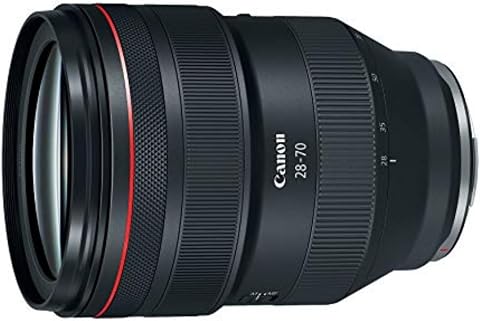 Canon RF28-70mm F2 L USM Lens, Zoom Lens for EOS R Series, BlackView on Amazon →
- 2
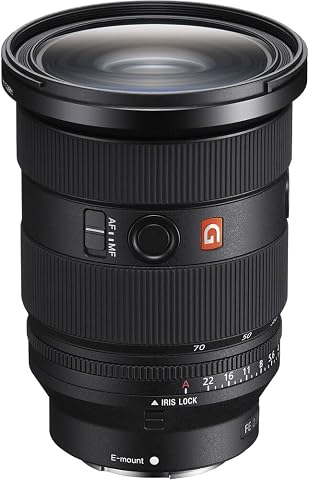 Sony FE 24-70mm F/2.8 GM II Full Frame E-Mount Standard Zoom LensView on Amazon →
- 3
 Canon RF 24-70mm F2.8L IS USM Lens for Canon EOS R Series Mirrorless CamerasView on Amazon →
- 4
 Canon RF 24-105mm f/4L IS USM Zoom Lens for EOS R SeriesView on Amazon →
- 5
 Canon RF100-400mm F5.6-8 IS USM Telephoto Lens for EOS R Series CamerasView on Amazon →
- 6
 Canon EF 50mm f/1.8 STM Lens for Canon EOS DSLR CamerasView on Amazon →
Impact of AI-Enhanced Lenses on Photography in 2026
The introduction of these six AI camera lenses in 2026 marks a significant step toward making versatile, high-quality photography more accessible. AI features are expected to reduce the need for manual adjustments, improve autofocus accuracy, and adapt to changing conditions automatically, benefiting both hobbyists and professionals.
This development could influence how photographers approach different genres, encouraging more spontaneous and creative shooting without sacrificing image quality. It also signals a shift toward smarter, more integrated camera gear that leverages artificial intelligence to enhance user experience and output.
Popular right now

Samsung 65-Inch M70H Series 4K Mini LED Smart TV (2026)

Vitamix VX3 Professional-Grade Blender with BlendPilot, 48 oz, Black

LG 55-Inch QNED73B Mini LED 4K Smart TV (2026)
As an affiliate, we earn on qualifying purchases.
Evolution of Camera Lenses and AI Integration
Over the past few years, camera lens technology has steadily advanced, with increasing emphasis on optical performance, compactness, and digital integration. In 2026, AI features have become a focal point, with multiple manufacturers incorporating intelligent systems directly into lens hardware.
Previous models relied heavily on software post-processing or manual adjustments, but recent innovations aim to embed intelligence into the lens itself. This trend aligns with broader industry shifts toward automation and smart features, driven by consumer demand for easier, more reliable photography tools.
While some claims about AI capabilities are still being validated through testing, early feedback suggests these lenses could significantly improve autofocus speed and accuracy, especially in challenging conditions.
“Our latest lenses incorporate AI to enhance autofocus and scene recognition, providing photographers with smarter tools for better results.”
— Canon spokesperson
Unconfirmed Aspects of AI Lens Performance and Compatibility
While many features are confirmed, some claims about AI capabilities are still under evaluation, and real-world performance may vary. Compatibility issues, especially with older camera models or adapters, remain a concern for some users. It is also unclear how well these AI features will perform across different shooting conditions and genres, as testing is ongoing.
Upcoming Testing, Reviews, and Industry Adoption in 2026
Further testing and user reviews are expected to provide clearer insights into the actual performance of these AI lenses. Manufacturers will likely release firmware updates to optimize AI functions, and broader industry adoption may accelerate as more models incorporate similar technology. Monitoring these developments will be key for users considering new gear in 2026.
Key Questions
What makes these lenses different from traditional camera lenses?
These lenses incorporate AI systems that enhance autofocus, scene recognition, and stabilization, making versatile shooting easier and more reliable without manual adjustments.
Are these AI lenses compatible with all camera brands?
Compatibility depends on the lens mount and camera model. Some lenses are designed for specific mounts like Sony E-mount or Canon RF, and adapters may be required for others.
Will AI features improve over time with software updates?
Yes, manufacturers plan to release firmware updates to enhance AI capabilities and optimize performance based on user feedback and testing results.
Are these lenses suitable for professional use?
Many of these lenses are designed with professional-grade features, but actual suitability depends on specific needs and shooting conditions. Early reviews suggest they are capable of supporting professional workflows.
What remains uncertain about these AI lenses?
Real-world performance, long-term reliability, and compatibility issues are still being evaluated. Their effectiveness across different genres and environments is also under review.
Source: ThorstenMeyerAI.com