
The best software development books match your current skill level and the problem you want to solve, rather than trying to teach everything at once. I name Modern Software Engineering my best overall pick for its broad view of how teams build software, while The Pragmatic Programmer stands out for practical habits and Python Crash Course for hands-on beginners. The main tradeoff is between lasting engineering principles and focused instruction in a language, architecture style, or emerging tool. A book that suits a first-time programmer may be too introductory for a working developer, while a classic design text can demand experience to apply well. Read on for the full breakdown and a guide to choosing the right fit.

Get business pricing on monitors, keyboards and dev gear
- Business-only prices and quantity discounts
- Tax-exempt purchasing
- Multiple users, one account, clear invoices
Key Takeaways
- Modern Software Engineering leads as the broadest starting point for readers interested in software development practice, while The Pragmatic Programmer is a stronger choice for concrete habits and personal craft.
- The lineup separates into distinct learning goals: foundational computing in Code, beginner programming through project-based books, and professional practice in titles such as Clean Code and A Philosophy of Software Design.
- Architecture books are not interchangeable: Clean Architecture focuses on structure and boundaries, while Fundamentals of Software Architecture takes a wider view of architectural choices and their tradeoffs.
- Language-specific books such as The Rust Programming Language and Python Crash Course offer practical focus, but their value depends on whether the reader plans to work with that language.
- The AI-oriented titles address a narrower, fast-changing area; readers choosing The Agentic AI Bible or Agentic Spec-Driven Development should weigh immediate relevance against the longer shelf life of foundational books.
| Modern Software Engineering: Doing What Works to Build Better Software Faster |  | Best for Practical Engineering Methods | Format: Book | Subject: Modern software engineering | Focus: Practical approaches and methods | VIEW LATEST PRICE | See Our Full Breakdown |
| The Pragmatic Programmer: Your Journey to Mastery (20th Anniversary Edition, 2nd Edition) |  | Best Overall for Broad Programming Practice | ASIN: 0135957052 | Format: Book | Edition: 2nd Edition | VIEW LATEST PRICE | See Our Full Breakdown |
| Clean Architecture: A Craftsman’s Guide to Software Structure and Design |  | Best for Focused Architecture Principles | ASIN: 0134494164 | Series: Robert C. Martin Series | Subject: Software architecture | VIEW LATEST PRICE | See Our Full Breakdown |
| Fundamentals of Software Architecture: A Modern Engineering Approach | 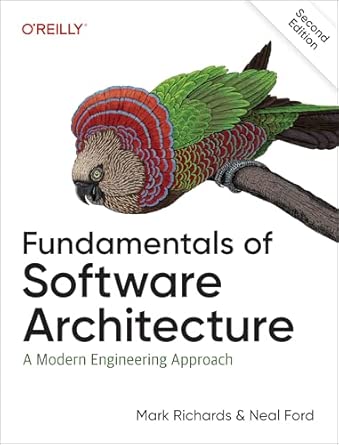 | Best for a Modern Architecture Starting Point | ASIN: 1098175514 | Subject: Software architecture | Stated approach: Modern engineering approach | VIEW LATEST PRICE | See Our Full Breakdown |
| The Rust Programming Language, 3rd Edition |  | Best for Rust-Specific Learning | ASIN: 1718504446 | Title subject: The Rust Programming Language | Edition: 3rd Edition | VIEW LATEST PRICE | See Our Full Breakdown |
| Code: The Hidden Language of Computer Hardware and Software |  | Best for Understanding What Happens Beneath the Code | Title: Code: The Hidden Language of Computer Hardware and Software | ASIN: 0137909101 | Subject: Computer hardware and software | VIEW LATEST PRICE | See Our Full Breakdown |
| Design Patterns: Elements of Reusable Object-Oriented Software |  | Best for Object-Oriented Design Vocabulary | Title: Design Patterns: Elements of Reusable Object-Oriented Software | ASIN: 0201633612 | Subject: Reusable object-oriented software design patterns | VIEW LATEST PRICE | See Our Full Breakdown |
| The Agentic AI Bible: A Guide to Designing, Developing, and Scaling Goal-Driven LLM-Powered Agents |  | Best for Exploring Goal-Driven LLM Agents | Title: The Agentic AI Bible: A Guide to Designing, Developing, and Scaling Goal-Driven LLM-Powered Agents | ASIN: B0H1VQLDTK | Subject: Agentic AI | VIEW LATEST PRICE | See Our Full Breakdown |
| Invent Your Own Computer Games with Python, 4th Edition |  | Best for Learning Through Small Games | Title: Invent Your Own Computer Games with Python, 4th Edition | ASIN: 1593277954 | Edition: 4th Edition | VIEW LATEST PRICE | See Our Full Breakdown |
| Clean Code: A Handbook of Agile Software Craftsmanship | 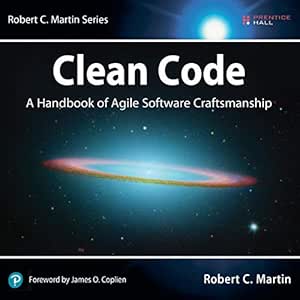 | Best for Improving Code Readability | Title: Clean Code: A Handbook of Agile Software Craftsmanship | ASIN: B08X8ZXT15 | Subject: Clean, readable code | VIEW LATEST PRICE | See Our Full Breakdown |
| A Philosophy of Software Design, 2nd Edition |  | Best for Managing Complexity | Edition: 2nd Edition | Format: Book | Subject: Software design | VIEW LATEST PRICE | See Our Full Breakdown |
| The Nature of Software Development: Keep It Simple, Make It Valuable, Build It Piece by Piece |  | Best for Incremental Delivery | Format: Not specified | Subject: Software development | Primary focus: Keeping development simple | VIEW LATEST PRICE | See Our Full Breakdown |
| Agentic Spec-Driven Development: A Practical Method for Using AI to Build Complete Specifications for Software, Products, and Knowledge Work |  | Best for AI-Assisted Specification Work | Format: Not specified | Subject: Agentic, spec-driven development | Method: Using AI to build specifications | VIEW LATEST PRICE | See Our Full Breakdown |
| Python Crash Course, 3rd Edition: A Hands-On, Project-Based Introduction to Programming |  | Best for Learning to Program | Edition: 3rd Edition | Format: Book | Language: Python | VIEW LATEST PRICE | See Our Full Breakdown |
| Software Engineering for Absolute Beginners: Your Guide to Creating Software Products |  | Best for Software Engineering First Steps | Format: Not specified | Subject: Software engineering | Intended audience: Absolute beginners | VIEW LATEST PRICE | See Our Full Breakdown |
| software development book | Subject | ASIN | Edition | Format |
|---|---|---|---|---|
| Modern Software Engineering: D | Modern software engineering | — | Not specified | Book |
| The Pragmatic Programmer: Your | Software development and programming practices | 0135957052 | 2nd Edition | Book |
| Clean Architecture: A Craftsma | Software architecture | 0134494164 | — | — |
| Fundamentals of Software Archi | Software architecture | 1098175514 | Not specified | — |
| The Rust Programming Language | — | 1718504446 | 3rd Edition | Book |
| Code: The Hidden Language of C | Computer hardware and software | 0137909101 | Not provided | — |
| Design Patterns: Elements of R | Reusable object-oriented software design patterns | 0201633612 | Not provided | — |
| The Agentic AI Bible: A Guide | Agentic AI | B0H1VQLDTK | — | — |
| Invent Your Own Computer Games | Computer game programming | 1593277954 | 4th Edition | — |
| Clean Code: A Handbook of Agil | Clean, readable code | B08X8ZXT15 | Not provided | — |
| A Philosophy of Software Desig | Software design | 173210221X | 2nd Edition | Book |
| The Nature of Software Develop | Software development | B0DLXJGKQM | — | Not specified |
| Agentic Spec-Driven Developmen | Agentic, spec-driven development | B0GX38ZZYT | — | Not specified |
| Python Crash Course | Programming introduction | 1718502702 | 3rd Edition | Book |
| Software Engineering for Absol | Software engineering | 1484266218 | — | Not specified |
More Details on Our Top Picks
Modern Software Engineering: Doing What Works to Build Better Software Faster
Modern Software Engineering is the most direct fit for readers who want to examine how engineering practices can help teams deliver better software faster. Its focus on methods that work gives it a practical, team-oriented angle, setting it apart from The Pragmatic Programmer, which takes a broader view of individual programming habits and professional judgment. That makes this book a stronger match for developers thinking about how work is organized and improved, rather than seeking a language tutorial or a catalog of design patterns. The tradeoff is that the supplied description gives little detail about its specific techniques or intended experience level, so readers wanting a clearly defined syllabus may prefer a more focused title such as Fundamentals of Software Architecture. I would choose it for its practical framing, while recognizing that its exact scope is hard to pin down from the available information.
Pros:- Centers on practical approaches to software engineering.
- Connects engineering methods with the goal of building better software faster.
- Offers a team-and-process angle distinct from individual craft guidance.
- Fits readers seeking broad software development practice rather than one programming language.
Cons:- The available description does not identify particular methods or examples.
- Its intended skill level and technical depth are not specified.
- Readers seeking a tightly scoped architecture or coding guide may find the broad framing less direct.
Best for: Developers and engineering teams looking for practical guidance on improving software development work and delivery.
Not ideal for: Readers who need a step-by-step programming course, language-specific instruction, or detailed architecture coverage.
- Format:Book
- Subject:Modern software engineering
- Focus:Practical approaches and methods
- Stated aim:Build better software faster
- Programming language:Not specified
- Edition:Not specified
Our verdict“Choose this for a practical, broad look at improving engineering work, but pick a more specifically scoped book if you need a defined technical syllabus.”
The Pragmatic Programmer: Your Journey to Mastery (20th Anniversary Edition, 2nd Edition)
The Pragmatic Programmer earns the broadest role in this group because its subject is programming practice, not one language or one architectural concern. The 20th Anniversary Edition, 2nd Edition is a clear fit for developers who want guidance framed around their craft and professional growth. Compared with Modern Software Engineering, it is positioned more around the programmer’s approach than methods for improving engineering work at a team level; compared with Clean Architecture, it is less narrowly focused on software structure. That breadth is its strength, but also its limit: readers looking for a structured beginner course, Rust instruction, or a dedicated architecture reference should choose a more specialized title. I would put it first for readers seeking a wide-ranging starting point in development practices, while keeping expectations centered on principles rather than language-specific lessons.
Pros:- Addresses software development and programming practices broadly.
- Its focus is not limited to a single programming language.
- The anniversary and edition details make the version identifiable.
- Provides a wider craft-oriented counterpoint to specialized architecture books.
Cons:- The broad subject may be less useful to readers seeking one specific technical skill.
- The supplied product details do not describe chapter contents or learning format.
- It is not presented as a beginner-focused, project-based programming course.
Best for: Working programmers and developers who want broad guidance on programming practices and professional craft across projects.
Not ideal for: Absolute beginners seeking a project-led introduction, or experienced architects who want a focused reference on system structure.
- ASIN:0135957052
- Format:Book
- Edition:2nd Edition
- Anniversary edition:20th Anniversary Edition
- Subject:Software development and programming practices
- Programming language:Not specified
Our verdict“Pick this as a broad craft-oriented guide for working programmers, and choose a specialized title when you need language or architecture instruction.”
Clean Architecture: A Craftsman’s Guide to Software Structure and Design
Clean Architecture is the specialist pick for readers whose main question is how software should be structured and designed. Its placement in the Robert C. Martin Series and its explicit architecture focus distinguish it from The Pragmatic Programmer, which covers programming practices more broadly. It also differs from Fundamentals of Software Architecture: the title presents a craftsman’s guide to structure and design, while the latter is framed as a modern engineering approach to architecture. That focus is useful when architecture is the problem at hand, but it makes this a narrower choice for readers seeking general development habits, a language tutorial, or an introduction to coding. The available data does not spell out the book’s examples or level of detail, so buyers should choose it for its stated topic rather than assume it serves as a complete architecture curriculum.
Pros:- Clearly concentrates on software architecture, structure, and design.
- The craftsman’s-guide framing signals a professional design focus.
- Belongs to the Robert C. Martin Series.
- More targeted for architecture concerns than broad practice books such as The Pragmatic Programmer.
Cons:- Its focused subject may not cover the wider software development process readers want.
- The supplied data does not identify specific examples, methods, or prerequisites.
- It is not described as a programming-language tutorial.
Best for: Software developers and technical leads who want a book centered specifically on software structure and design.
Not ideal for: New programmers seeking coding instruction or readers who want broad engineering practices rather than an architecture-focused guide.
- ASIN:0134494164
- Series:Robert C. Martin Series
- Subject:Software architecture
- Focus:Software structure and design
- Book type:Craftsman’s guide
- Programming language:Not specified
Our verdict“Choose this when software structure and design are your main learning goals, rather than broad programming practice or beginner coding.”
Fundamentals of Software Architecture: A Modern Engineering Approach
Fundamentals of Software Architecture is the architecture selection with the clearest modern-engineering framing. That makes it a natural choice for readers who want to study architecture as part of contemporary software engineering, rather than focus only on the craft and design emphasis stated in Clean Architecture. Compared with Modern Software Engineering, it is more tightly aimed at architecture; compared with The Pragmatic Programmer, it gives up breadth in exchange for a specific subject. The title alone does not establish its particular coverage, examples, or prerequisite knowledge, so I would not treat it as a guaranteed beginner text or a reference for any specific architecture style. Its role here is for readers who want an architecture-centered book with a modern engineering lens, and who are comfortable checking whether its detail matches their needs.
Pros:- Targets software architecture directly.
- Uses a modern engineering approach in its stated framing.
- Offers a focused alternative to broad practice guides.
- Pairs naturally with Clean Architecture for readers comparing architecture-oriented perspectives.
Cons:- The supplied product data does not specify methods, examples, or architecture styles covered.
- No edition or additional technical details are provided.
- Its architecture focus is less suited to readers seeking programming fundamentals.
Best for: Developers moving into architecture work who want a focused book framed around modern software engineering.
Not ideal for: Readers seeking general programming advice, beginner coding projects, or a book whose specific examples and coverage are known in advance.
- ASIN:1098175514
- Subject:Software architecture
- Stated approach:Modern engineering approach
- Book type:Fundamentals-focused book
- Programming language:Not specified
- Edition:Not specified
Our verdict“Choose this for a modern, architecture-centered perspective, but verify its specific coverage if you need guidance on a particular design problem.”
The Rust Programming Language, 3rd Edition
The Rust Programming Language, 3rd Edition is the most specialized book in this batch: its value depends on whether Rust is the language you want to learn. Unlike The Pragmatic Programmer, which addresses programming practices broadly, this title is explicitly tied to one language. That narrower scope can make it a more direct choice for Rust-focused study, but it is a poor substitute for software architecture books such as Clean Architecture or for general engineering guidance. The supplied product information confirms the third edition but gives no detail about its learning sequence, projects, or prerequisites, so I would avoid assuming it suits complete beginners or a particular Rust skill level without checking further. For readers committed to Rust, its language-specific focus is the point; for everyone else, that same focus is the main reason to choose another book.
Pros:- Dedicated to The Rust Programming Language.
- Identified as the 3rd Edition.
- Its narrow language focus gives Rust learners a more direct option than general practice books.
- Clearly distinct from the architecture and software-process titles in this roundup.
Cons:- Useful primarily to readers who intend to learn or work with Rust.
- The supplied data does not specify prerequisites, projects, or chapter coverage.
- Does not serve as a broad guide to software engineering or architecture.
Best for: Programmers who specifically want to study Rust and prefer a book dedicated to that language.
Not ideal for: Readers seeking language-neutral software engineering guidance, architecture instruction, or a beginner course with confirmed project details.
- ASIN:1718504446
- Title subject:The Rust Programming Language
- Edition:3rd Edition
- Format:Book
- Programming language:Rust
- Prerequisites:Not specified
Our verdict“Choose this if Rust is your target language; otherwise, a language-neutral practice or architecture book will fit more goals.”
Code: The Hidden Language of Computer Hardware and Software
Code earns a place for readers who want to understand how software connects to the machinery underneath it. Rather than focusing on a particular language or software design method, it builds an explanation of the relationship between hardware and software. That makes it a useful complement to Clean Code, which concentrates on writing and organizing code, and a more foundational choice than Design Patterns, which assumes interest in reusable object-oriented structures.
The tradeoff is scope: this is not a project-based programming course, nor a guide to current development workflows. Readers seeking exercises in Python or advice on building modern applications may get more immediate practice from Python Crash Course. Choose this when the missing piece is a mental model of how computers carry out instructions, not a catalog of coding techniques.
Pros:- Connects software concepts with the hardware that executes them.
- Offers a foundation that can make later programming and systems material easier to contextualize.
- Covers a different learning need from practice-focused books such as Python Crash Course.
- Suitable for readers interested in concepts beyond one programming language.
Cons:- Does not serve as a step-by-step programming course.
- Its foundational focus offers less direct guidance on modern software team practices.
- The supplied product details do not establish edition, format, or chapter-level coverage.
Best for: Programmers and technically curious beginners who want a conceptual explanation of how software relates to computer hardware.
Not ideal for: Readers looking for hands-on projects, instruction in a current programming language, or practical guidance on designing production software.
- Title:Code: The Hidden Language of Computer Hardware and Software
- ASIN:0137909101
- Subject:Computer hardware and software
- Product type:Book
- Programming language specified:Not provided
- Edition:Not provided
Our verdict“Choose Code if you want a conceptual bridge between software and hardware, but pick a project-based guide if you want to start writing programs right away.”
Design Patterns: Elements of Reusable Object-Oriented Software
Design Patterns is the specialist pick here: it focuses on reusable solutions to recurring object-oriented design problems, rather than general software craftsmanship. That makes it a better fit for readers who already write object-oriented code and want a shared vocabulary for discussing structure. Compared with Clean Code, which centers on readability and day-to-day code quality, this book puts more weight on recurring design approaches and when they fit.
That narrower focus is also its main limitation. It is not an introductory programming text, and its patterns should not be treated as recipes to apply automatically. Readers seeking broader guidance on software architecture may prefer Clean Architecture, while beginners may find a hands-on Python book more immediately useful. I’d choose this for deliberate study of object-oriented design, not as a universal guide to every modern development problem.
Pros:- Concentrates on reusable solutions to recurring object-oriented design problems.
- Gives teams a common vocabulary for discussing design choices.
- Pairs well with the code-readability emphasis of Clean Code.
- Its focused subject makes it distinct from broad software engineering guides.
Cons:- Assumes familiarity with object-oriented programming concepts.
- A patterns-focused approach can be misapplied if readers use patterns without first understanding the problem.
- The supplied product data does not specify edition, format, or programming language.
Best for: Object-oriented developers who want a shared vocabulary for recognizing and discussing recurring software design problems.
Not ideal for: New programmers, developers seeking language instruction, or readers who want broad modern architecture guidance rather than a focused patterns reference.
- Title:Design Patterns: Elements of Reusable Object-Oriented Software
- ASIN:0201633612
- Subject:Reusable object-oriented software design patterns
- Product type:Book
- Programming paradigm:Object-oriented
- Edition:Not provided
Our verdict“Pick Design Patterns if you already work with object-oriented code and want to study reusable design approaches, not if you need a first programming book.”
The Agentic AI Bible: A Guide to Designing, Developing, and Scaling Goal-Driven LLM-Powered Agents
The Agentic AI Bible takes the most specialized and emerging angle in this group: designing, developing, and scaling goal-driven agents powered by large language models. It is aimed at readers whose software development questions involve agent systems, rather than conventional programming instruction. Compared with Agentic Spec-Driven Development, which focuses on using AI to build specifications and work products, this title is framed around the agents themselves.
The subject-specific focus can be valuable if that is the work you want to explore, but the supplied details do not describe its methods, examples, prerequisites, or technical stack. That makes it harder to judge how much practical implementation guidance it offers. It is also a narrower choice than Modern Software Engineering, which addresses broader development practice. I’d select it for targeted study of LLM-powered agents, while treating its fit for a particular project as something to verify against the full book details.
Pros:- Directly addresses goal-driven agents powered by large language models.
- Covers design, development, and scaling as stated in the title.
- Offers a more agent-centered focus than Agentic Spec-Driven Development.
- Provides a specialized subject distinct from general programming and code-quality books.
Cons:- The supplied details do not identify its technical stack, examples, or prerequisites.
- Its narrow subject may be less useful to readers working on conventional software without LLM agents.
- The product data does not specify edition, author, or publication format beyond Book.
Best for: Developers and technical product builders specifically researching how to design, develop, or scale goal-driven LLM-powered agents.
Not ideal for: Beginners seeking foundational programming instruction or developers who want general software engineering methods rather than agent-focused material.
- Title:The Agentic AI Bible: A Guide to Designing, Developing, and Scaling Goal-Driven LLM-Powered Agents
- ASIN:B0H1VQLDTK
- Subject:Agentic AI
- Focus:Designing, developing, and scaling goal-driven LLM-powered agents
- Product type:Book
- Programming language or stack:Not provided
Our verdict“Choose this for a focused look at goal-driven LLM agents, but check the full contents if you need specific tools, examples, or implementation depth.”
Invent Your Own Computer Games with Python, 4th Edition
Invent Your Own Computer Games with Python, 4th Edition is the most hands-on, project-led choice in this set: its stated focus is creating computer games with Python. That gives beginners a concrete way to connect programming concepts to visible results, unlike Code, which is aimed at understanding hardware and software concepts, or Design Patterns, which focuses on object-oriented design choices. The game-making focus can also help readers stay oriented around what each programming step accomplishes.
Its tradeoff is that the learning path is tied to Python and computer games. Readers who want a broad introductory survey may prefer Python Crash Course, while developers looking to improve maintainability or architecture should turn to Clean Code or Clean Architecture. I’d pick this for learning by building small game projects, not as a general reference for professional software development.
Pros:- Uses computer game creation as a concrete route into programming.
- Specifies Python, so readers know which language the projects center on.
- The project focus distinguishes it from conceptual books such as Code.
- Fourth edition is identified in the supplied product data.
Cons:- The game-development focus may not match readers interested in other software domains.
- Python-specific instruction does not directly teach another language.
- The supplied details do not list prerequisites, project contents, or supported Python version.
Best for: Beginning programmers who learn best by following Python-based computer game projects and seeing code produce visible results.
Not ideal for: Readers seeking broad software engineering practices, object-oriented design theory, or instruction in a language other than Python.
- Title:Invent Your Own Computer Games with Python, 4th Edition
- ASIN:1593277954
- Edition:4th Edition
- Subject:Computer game programming
- Programming language:Python
- Product type:Book
Our verdict“Choose this if building Python games sounds more motivating than broad introductory exercises, but look elsewhere for general software design guidance.”
Clean Code: A Handbook of Agile Software Craftsmanship
Clean Code earns the code-quality role: it is about writing readable code and practicing software craftsmanship, rather than teaching a first programming language. That makes it a natural choice for developers who can already build software but want to think more carefully about clarity. Compared with Design Patterns, its stated focus is broader day-to-day code quality rather than reusable object-oriented patterns; compared with Clean Architecture, it is centered on code craftsmanship rather than software structure.
The limitation is that readable code is only one part of building and maintaining software, and the supplied product details give no edition or chapter information to clarify its specific guidance. New programmers may get more from Python Crash Course, while readers seeking system-level structure should look at Clean Architecture. I’d choose this when code readability is the problem to address, not as a complete software engineering curriculum.
Pros:- Directly focuses on readable code and software craftsmanship.
- Addresses a different concern from Design Patterns’ object-oriented design focus.
- More directly suited to code-level quality than architecture-focused books.
- Its subject is relevant to developers working to make code easier to read.
Cons:- Does not serve as a beginner programming course.
- Code readability alone does not cover broader architecture or software delivery concerns.
- The supplied product data provides no edition, format, or detailed contents.
Best for: Developers with basic coding experience who want to focus on readable code and software craftsmanship.
Not ideal for: First-time programmers who need language instruction, or experienced readers chiefly seeking architecture and system-structure guidance.
- Title:Clean Code: A Handbook of Agile Software Craftsmanship
- ASIN:B08X8ZXT15
- Subject:Clean, readable code
- Focus:Agile software craftsmanship
- Product type:Book
- Edition:Not provided
Our verdict“Choose Clean Code if you already program and want to focus on clarity and craftsmanship; choose a beginner guide or architecture book for a different need.”
A Philosophy of Software Design, 2nd Edition
I’d choose A Philosophy of Software Design for readers who want to reason about the shape of software, rather than learn a particular language. Its focus on design principles makes it a useful counterpoint to The Pragmatic Programmer, which takes a broader view of professional habits and practices. Compared with Clean Architecture, this is the pick for readers seeking a focused design discussion rather than a guide centered on software structure and architecture.
The tradeoff is its narrow remit: the supplied details don’t indicate programming exercises, a language track, or a project-based path. That makes it less suited to someone starting from zero, or looking for immediate coding practice. I’d rank it as a targeted design read for developers who already know the basics and want a framework for thinking about software systems.
Pros:- Concentrates on principles for designing software systems
- Offers a focused alternative to broader career-and-practice books
- Second edition is clearly identified for readers comparing editions
Cons:- The supplied information does not identify hands-on exercises or projects
- Its design focus may be too narrow for readers seeking a broad software engineering introduction
Best for: Developers with programming fundamentals who want to think more carefully about software design principles.
Not ideal for: New programmers who need step-by-step coding instruction, exercises, or a language-specific course.
- Edition:2nd Edition
- Format:Book
- Subject:Software design
- Focus:Principles and practices for designing software systems
- Product type:Software development book
- ASIN:173210221X
Our verdict“Choose this edition if you already program and want a focused book about designing software systems rather than learning to code.”
The Nature of Software Development: Keep It Simple, Make It Valuable, Build It Piece by Piece
The Nature of Software Development is the clearest fit here for readers who want to connect development choices with delivering useful software. Its emphasis on simplicity, value, and incremental building offers a different angle from Modern Software Engineering, whose title points to a wider treatment of engineering practice. I’d favor this book when the main question is how to build in smaller pieces and keep work focused on value.
That focus is also its limitation. The provided description doesn’t specify a programming language, technical exercises, or a detailed implementation curriculum, so it is not a substitute for a hands-on coding book such as Python Crash Course. Readers seeking architecture depth or language instruction may need another title alongside it. I’d rank it for developers and teams looking for a concise guiding approach to incremental software work, not a technical reference.
Pros:- Keeps the central message focused on simplicity
- Connects development work to delivering value
- Advocates building software incrementally
- Provides a distinct process-oriented angle within a list that also includes design and programming books
Cons:- The supplied description does not identify a programming language or technical curriculum
- Readers wanting extensive hands-on coding guidance may find the focus too high-level
Best for: Developers and product-focused teams who want to prioritize simple practices, incremental delivery, and user value.
Not ideal for: Beginners seeking language lessons, coding exercises, or a project-based programming course.
- Format:Not specified
- Subject:Software development
- Primary focus:Keeping development simple
- Value focus:Delivering valuable software
- Approach:Incremental building
- ASIN:B0DLXJGKQM
Our verdict“Pick this book if your priority is a simple, value-focused approach to building software piece by piece, not learning a programming language.”
Agentic Spec-Driven Development: A Practical Method for Using AI to Build Complete Specifications for Software, Products, and Knowledge Work
This is the most specialized choice in the group: Agentic Spec-Driven Development focuses on using AI to create complete specifications across software, product development, and knowledge work. That makes it a sharper match for readers exploring AI-supported planning than The Nature of Software Development, which centers on simplicity and incremental delivery rather than AI-assisted specifications. Its cross-domain scope may also appeal to people whose work spans technical and product teams.
The tradeoff is that this is not presented as a conventional programming textbook. The supplied details don’t name a language, coding projects, or a broader treatment of software engineering fundamentals, so beginners looking to write their first programs may get more direct instruction from Python Crash Course. I’d place this book with practitioners curious about specification workflows, while treating its AI-centered focus as a reason to skip it if that workflow is not part of your work.
Pros:- Centers on a practical method for building specifications with AI
- Applies to software and product development as well as knowledge work
- Offers a distinct AI-focused perspective absent from the more general development titles
Cons:- The supplied description does not identify programming-language instruction
- Its specific AI-and-specification focus may not suit readers seeking broad software engineering foundations
Best for: Software and product practitioners who want a practical method for using AI to develop specifications across work domains.
Not ideal for: New coders seeking programming fundamentals, language instruction, or a project-led introduction to writing code.
- Format:Not specified
- Subject:Agentic, spec-driven development
- Method:Using AI to build specifications
- Software application:Software specifications
- Additional applications:Product development and knowledge work
- ASIN:B0GX38ZZYT
Our verdict“Choose this title if AI-assisted specification work is your goal; choose Python Crash Course instead if you need to learn programming.”
Python Crash Course, 3rd Edition: A Hands-On, Project-Based Introduction to Programming
For readers who want to move from concepts to code, Python Crash Course is the most direct starting point in this batch. Its hands-on, project-based approach gives beginners a way to apply programming concepts, unlike A Philosophy of Software Design, which focuses on designing systems rather than introducing a language. The named language also makes the learning goal clear: this is a Python introduction, not a general survey of software engineering.
That practical focus narrows its reach. Readers already comfortable with programming may prefer broader engineering or design discussions in titles such as The Pragmatic Programmer, while those committed to another language will need a different learning path. I’d rank it ahead of the more conceptual options for a true beginner because it promises active practice, but not for readers seeking architecture or AI-supported specification methods.
Pros:- Introduces programming through Python
- Uses a hands-on, project-based approach
- Connects programming concepts with practical application
- Clearly identifies itself as the third edition
Cons:- Its Python focus may not fit readers learning another language
- A beginner introduction may offer limited value to experienced programmers
- The project-led scope is narrower than broad software engineering guides
Best for: New programmers who want to learn Python through a hands-on introduction and practical projects.
Not ideal for: Experienced developers seeking advanced software design, architecture, or a language-neutral engineering guide.
- Edition:3rd Edition
- Format:Book
- Language:Python
- Subject:Programming introduction
- Teaching approach:Hands-on and project-based
- ASIN:1718502702
Our verdict“Choose this third edition if you are a beginner who wants to learn programming by building Python projects.”
Software Engineering for Absolute Beginners: Your Guide to Creating Software Products
Software Engineering for Absolute Beginners is the broadest entry point here for readers curious about creating software products but not ready to start with a language-specific text. Compared with Python Crash Course, which teaches programming through Python and projects, this title is positioned around software engineering and product creation. That distinction makes it a plausible first read for someone who wants a wider introduction before choosing what to build or learn next.
The tradeoff is limited detail in the supplied description: it doesn’t identify a language, project sequence, or particular engineering topics. That leaves less evidence of hands-on coding instruction than Python Crash Course, and less specific design guidance than A Philosophy of Software Design. I’d treat it as an introductory orientation, not a technical reference. Readers who already know what skill they need may get a more direct fit from one of the narrower books.
Pros:- Explicitly aimed at absolute beginners
- Frames learning around software engineering and creating products
- Provides a broader starting point than a single-language introduction
Cons:- The supplied details do not identify a programming language
- No specific exercises or project structure are described
- The broad scope may be less direct than a focused programming or design book
Best for: Absolute beginners who want an introductory view of software engineering and the process of creating software products.
Not ideal for: Learners seeking a specified programming language, detailed coding projects, or focused design and architecture instruction.
- Format:Not specified
- Subject:Software engineering
- Intended audience:Absolute beginners
- Focus:Creating software products
- Programming language:Not specified
- ASIN:1484266218
Our verdict“Choose this as an introductory orientation to software engineering if you want a broader starting point than a Python coding course.”

How We Picked
I compared these software development books by the job they help a reader do: learn programming, understand computing foundations, improve day-to-day engineering, make design decisions, or explore newer AI-assisted workflows. I gave more weight to books with a clear audience, a coherent learning path, and ideas a reader can apply beyond a single exercise or technology trend. A book’s scope mattered too: focused instruction can be more useful than broad coverage when a reader has a specific goal.
The ranking favors versatility and lasting usefulness near the top, then gives specialist and beginner titles distinct places rather than treating them as substitutes. That puts broad professional guidance ahead of books tied to one language or emerging practice for a general roundup, while leaving room for those focused books to be the better match for the right reader. Readers should check the edition and topic coverage before buying, particularly for fast-moving areas such as programming languages and agentic AI.
Factors to Consider When Choosing Software Development Books
Before choosing a title, I would pin down what you want the book to change: your coding ability, your design judgment, your grasp of how computers work, or your team’s development process. These books cover different layers of the work, so a sensible choice depends less on which subject sounds most advanced and more on what you can use next.
Start With the Skill You Need Next
Choose a book around a specific gap rather than the broad label of software development. If you cannot yet write small programs, a project-based introduction is more useful than a book about architecture or code organization. If you already build software but struggle with design decisions, a principles-focused book may offer more than another language tutorial. A common mistake is buying an advanced title because it seems more career-oriented, then lacking the experience to connect its advice to real work. Write down one task you want to handle better in the next few months and use that as your filter. A narrow, relevant book you finish can serve you better than a sweeping reference you rarely open.
Match the Book to Your Starting Point
Books differ in how much programming knowledge they assume, even when their titles sound accessible. A beginner may benefit from guided exercises and gradual projects, while an experienced developer may prefer arguments, examples, and design principles without step-by-step instruction. Check the opening chapters or sample pages for assumed vocabulary, required tools, and the pace of the exercises. Do not mistake a gentle tone for beginner suitability: some books explain professional practices that make more sense after building software. On the other hand, experienced readers can still benefit from foundational material if they want a clearer mental model. Choose the level that challenges you without making every page depend on knowledge you do not yet have.
Choose Between Principles and Hands-On Practice
A practical tutorial gives you something to build, while a principles-led book helps you reason about situations that vary from project to project. Neither format replaces the other, and the right balance depends on whether you need momentum or judgment. If you are learning a language, exercises and projects can reveal gaps that passive reading hides. If you are improving engineering practice, examples and arguments can help you decide when a rule applies and when it does not. A frequent misstep is expecting a conceptual book to teach a complete workflow, or expecting a tutorial to explain every design tradeoff. Pair formats when possible: use a hands-on book to build fluency and a broader text to examine why particular choices work.
Check How Specific the Technology Is
A language-specific book can be the most efficient route to useful skills when that language matches your goals. Its limitation is that some examples, tools, and conventions may age or apply only to a particular ecosystem. Broader books on software design and engineering practice can travel across languages, though they may feel less immediately actionable. For a fast-changing subject, check the edition date, the version covered, and whether the book teaches durable concepts or mainly current tooling. Do not avoid focused books simply because they are specialized; specialization is useful when it matches your planned work. Instead, treat the narrower scope as a tradeoff and decide whether you want depth in one area or ideas that transfer across projects.
Think About How You Will Use the Book
Some books work best read from beginning to end, while reference-style or idea-driven titles are easier to revisit alongside a project. Consider whether you want a structured course, a source of occasional design guidance, or a discussion point for a team. If your goal is to learn by doing, check whether the book includes exercises or projects and whether you have time to complete them. For a team purchase, look for ideas the group can discuss and apply without assuming everyone has the same role or experience. Buying a dense classic without a plan to read or consult it can leave you with little practical benefit. Choose a format and scope that fit your actual study habits, not an idealized schedule.
Balance Long-Term Foundations Against New Topics
Foundational books can stay relevant because they address reasoning, design, and communication rather than a short-lived tool. Books about emerging approaches, including agentic AI, may help with immediate experiments but can require more frequent updates as practices change. Paying more attention to a new topic makes sense when it connects directly to your current work or learning plan. For broad career development, a durable text may deliver value across several projects and roles. A common buying error is treating novelty as a sign of importance, or dismissing new material because it has not had decades to settle. Match the time horizon of the book to your purpose: solve a current need with focused material and build long-term understanding with fundamentals.
Frequently Asked Questions
Which book should I read first if I have never written code?
I would start with a beginner title that teaches by having you write and revise programs, rather than opening with architecture or professional coding practices. Python Crash Course and Invent Your Own Computer Games with Python both offer hands-on routes, with different emphasis on structured instruction and game projects. If you want a broader introduction to creating software products, Software Engineering for Absolute Beginners is another fit to compare. Pick the subject that will keep you practicing, then write code alongside the reading instead of treating the book as something to finish first. A book on design principles can come later, once you have examples of your own code to evaluate.
Should I choose a programming tutorial or a software engineering book?
Choose a programming tutorial if your immediate goal is to write working code in a language or complete projects. Choose a software engineering book if you already have some coding experience and want to improve how you structure, maintain, or deliver software. The distinction is not absolute: introductory project books can introduce engineering habits, and broader books can include practical examples. If you are unsure, ask whether you can already build a small program without copying each step. If not, practice is likely the better first purchase; if you can, a book about design or development practice may address your next challenge.
Are classic software design books still worth reading?
They can be valuable when you want to understand enduring ideas about code structure, reusable design, and managing complexity. Their examples and assumptions may reflect older languages or project styles, so I would read them for principles rather than assume every prescription fits a current codebase. Pairing a classic with a more recent engineering title can show where the ideas remain useful and where practices have shifted. Readers new to programming may find the abstractions hard to apply without code of their own. If you have a specific design problem, start with a book whose scope matches that problem and treat older examples as material to evaluate, not rules to follow automatically.
Is an AI-focused development book a better choice than a foundational book?
That depends on whether your goal is to work with agentic AI now or build skills that transfer across technologies. The AI-focused books in this roundup address a more specialized and rapidly changing area, while books on programming, software design, and engineering practice cover broader foundations. If an AI workflow is part of your current project, a specialized title may help you explore that work with more direction. If you are still learning how to build and maintain software, foundational skills are likely to support more future choices. You can also sequence them: establish general development knowledge first, then use a specialized book to study a current application.
Can one book cover programming, architecture, and professional software practice?
One book can introduce several parts of software development, but it is unlikely to teach all of them deeply. Programming requires practice with code, architecture involves broader system decisions, and professional practice includes collaboration and maintaining software over time. A broad text can give you a useful map, while focused books fill gaps in the areas you need most. Trying to find one all-purpose title can lead to disappointment if you expect it to replace hands-on work or specialist reading. I would choose one starting book for your current goal, then add a second only when you can name the question it should answer.
Conclusion
For a broad introduction to modern engineering practice, I would start with Modern Software Engineering as the best overall pick; readers seeking practical habits can instead choose The Pragmatic Programmer. For value, the best fit is the book that directly supports a skill you will practice—Python Crash Course for structured beginner learning or Invent Your Own Computer Games with Python for project-led motivation. The best premium choice for a deeper professional study is Fundamentals of Software Architecture, especially for readers who need to reason about system-level decisions. New programmers should begin with a hands-on title, while readers focused on software structure can compare Clean Architecture, Clean Code, and A Philosophy of Software Design by their distinct scope. For specific needs, choose The Rust Programming Language for Rust, Code for computing foundations, or an agentic AI title when that subject directly connects to your work; skip specialized books when their topic is not on your learning path.
Halloween Picks
halloween
As an affiliate, we earn on qualifying purchases.