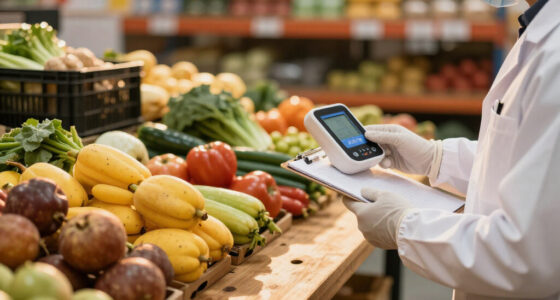
📊 Full opportunity report: Cut Food Costs With Supplier Overcharge Audits on IdeaNavigator AI — validation score, market gap, and execution plan.

Get business pricing on monitors, keyboards and dev gear
- Business-only prices and quantity discounts
- Tax-exempt purchasing
- Multiple users, one account, clear invoices
TL;DR
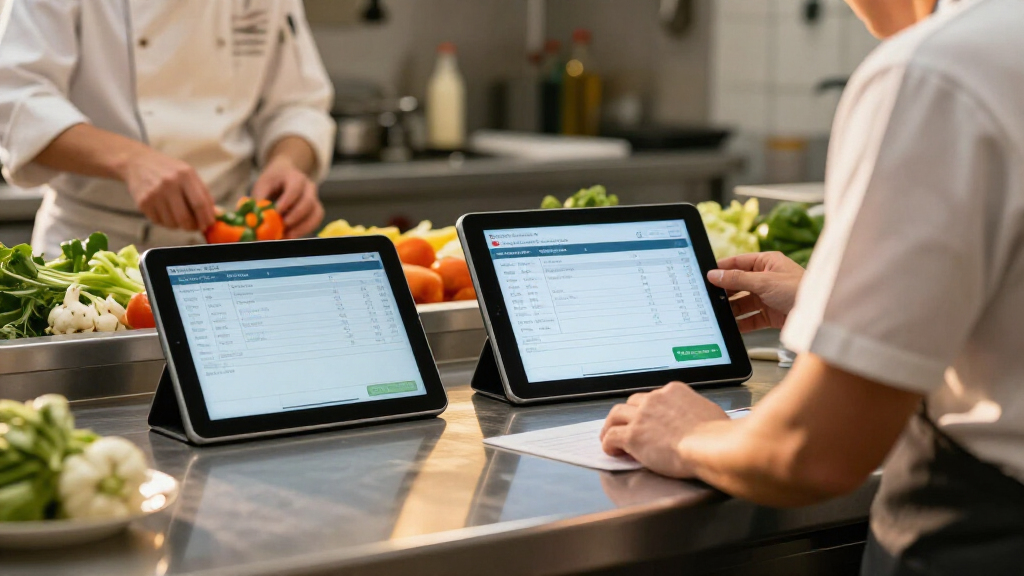
IdeaNavigator AI has outlined a proposed supplier-overcharge audit tool for independent restaurant groups, not a launched product or verified savings program. The suggested pilot would review 90 days of invoices against contracts, quotes and delivery records to measure potential recoveries before a group pays for a subscription.
IdeaNavigator AI has proposed a supplier invoice-audit tool for independent multi-unit restaurant groups, designed to flag differences between what restaurants ordered, received, were billed and had agreed to pay. The concept targets food-cost pressures, but no product launch, customer results or recovered-credit figures were provided.
The proposed customers are restaurant-group purchasing directors and controllers buying from broadline and specialty food and beverage suppliers. The proposal says these businesses can process hundreds of invoices each week, creating opportunities for contracted prices not to carry through, short-shipped cases to be billed in full, substitutions to cost more than expected, or unit prices to rise between orders. These are the problem areas identified by the proposal, not independently documented findings about a particular restaurant group.
The suggested minimum viable product would ingest supplier invoices through electronic data interchange where available, or otherwise from PDFs and photographed documents using optical character recognition. It would compare invoice lines with supplier contracts or quote sheets, the restaurant group’s order guide, and information on orders and received goods. The system would flag discrepancies and draft a credit request for the supplier, then track the request until a credit appears on a later invoice.
The proposed pricing is a monthly fee per location, with an optional contingency charge based on recovered credits. To test whether the service is worth building, IdeaNavigator AI recommends reviewing 90 days of paid invoices and contract or quote records at three restaurant groups. The test would total billing above agreed prices, full charges for short-shipped cases and price increases, then compare documented credits per location with the planned subscription cost.
Cut Food Costs With Supplier Overcharge Audits
IdeaNavigator AI has proposed an invoice-audit tool for independent restaurant groups. A suggested pilot would test potential supplier credits; no launch or savings results have been reported.
Where billing gaps may occur
The proposal focuses on differences between agreed prices, orders, deliveries and invoices.
Contract price mismatch
A billed unit price may exceed the price in a contract or quote.
Short shipments
A full case charge may not match the quantity received.
Unexpected costs
A substitute item may cost more than expected.
How the proposed audit works
The tool would compare purchasing records, flag differences and help pursue credits.
Ingest invoices from electronic data interchange, PDFs or photographed documents.
Compare invoice lines with contracts or quotes, order guides and delivery information.
Draft supplier requests for flagged differences and follow them until a credit appears.
What the pilot would establish
A retrospective review would estimate whether documented credits could justify the service cost.
- Paid invoices and contracts or quote sheets
- Order and delivery records
- Price differences and charges for short shipments
- Confirmed credits per location
- Planned subscription cost
- Staff time spent reviewing exceptions
How Invoice Errors Affect Margins
The concept focuses on a gap between food purchasing records and payment: an error can pass through ordering, delivery and accounts payable without being caught. If a group can document that it paid more than an agreed price or was billed for goods it did not receive, a credit may help correct its costs. The proposal’s value depends on whether such discrepancies are frequent and recoverable enough to justify the software and the staff time required to review exceptions.
Food-cost pressure is the rationale offered for acting now. The proposal cites a USDA Economic Research Service Food Price Outlook dated September 25, 2026, forecasting 2026 retail beef and veal prices to rise 9.4% and wholesale beef prices to rise 8.5%, while food-away-from-home prices were forecast to rise 3.5%. Those are forecasts, not reported final 2026 price changes. The cited figures suggest a potential squeeze when ingredient costs rise faster than menu prices, but they do not establish that an audit tool would reduce costs or improve restaurant margins.
Popular right now

Philips Café Aromis Automatic Espresso Machine with LatteGo Pro Milk System

De'Longhi Dinamica Plus Fully Automatic Espresso Machine

Philips 2200 Series Fully Automatic Espresso Machine with Classic Milk Frother, 2 Coffee Varieties, Intuitive Touch Display, Ceramic Grinder
As an affiliate, we earn on qualifying purchases.
A Proposed 90-Day Audit Test
This is a business concept and validation plan, rather than an announcement that a service is available. No company offering, restaurant customer, software demonstration, pilot agreement or performance data is identified in the proposal. Its first-use case is deliberately narrow: one buyer at an independent multi-location restaurant group, rather than a general procurement platform for all food businesses.
The proposed test would use records the group already holds: paid invoices, contracts or quote sheets, plus order and delivery information needed to check quantities. A 90-day review at three groups would estimate the scale of potential discrepancies and whether documented credits exceed an intended subscription fee. The proposal does not specify the number of locations, suppliers or invoices in each test, or how a group would confirm that a flagged difference merits a credit.
Savings and Product Status Unverified
The proposal does not report completed customer tests, error rates, recovered credits or subscription pricing. It is also unclear how the tool would obtain reliable records of what was actually received, since invoice data alone may not show whether a delivery was short or a substitution was accepted. Those comparisons would require usable order, delivery and supplier-price records.
Other unanswered questions include how the system would handle differing unit sizes, changing contract terms, supplier disputes and duplicate or delayed credits. The USDA figures cited are forecasts for 2026, and the proposal provides no later actual price data. Until a pilot is conducted, the likely recovery rate, implementation burden and effect on food costs remain unknown.
Pilot Results Would Set the Test
The next step described is a 90-day retrospective review with three restaurant groups. A credible test would need to document each flagged discrepancy, distinguish a confirmed supplier credit from a suspected overcharge, and report results per location alongside the subscription fee and labor needed to review cases.
No pilot dates, participating groups or launch schedule have been announced in the material provided. Whether the concept advances will depend on access to invoice, contract, order and receiving records, and on whether suppliers issue enough credits to make the service worthwhile for buyers.
Source: IdeaNavigator AI
Key Questions
Has the restaurant supplier-audit tool launched?
No launch is reported. IdeaNavigator AI describes a proposed product and a plan to test demand and potential recoveries.
What would the tool compare?
It would compare invoices with agreed prices, order guides and delivery information to flag price differences, short shipments billed in full, higher-priced substitutions and price changes.
How is the concept supposed to make money?
The suggested model is a monthly subscription per restaurant location, with an optional fee tied to recovered credits. No actual prices are provided.
How would a restaurant group test whether it is worthwhile?
The proposal recommends reviewing 90 days of records at three groups and comparing documented credits per location with the planned subscription fee. No results from such a test are reported.
Source: IdeaNavigator AI