📊 Full opportunity report: Small Museums, Big Ideas: Games That Teach Through Exhibits on IdeaNavigator AI — validation score, market gap, and execution plan.

Get business pricing on monitors, keyboards and dev gear
- Business-only prices and quantity discounts
- Tax-exempt purchasing
- Multiple users, one account, clear invoices
TL;DR
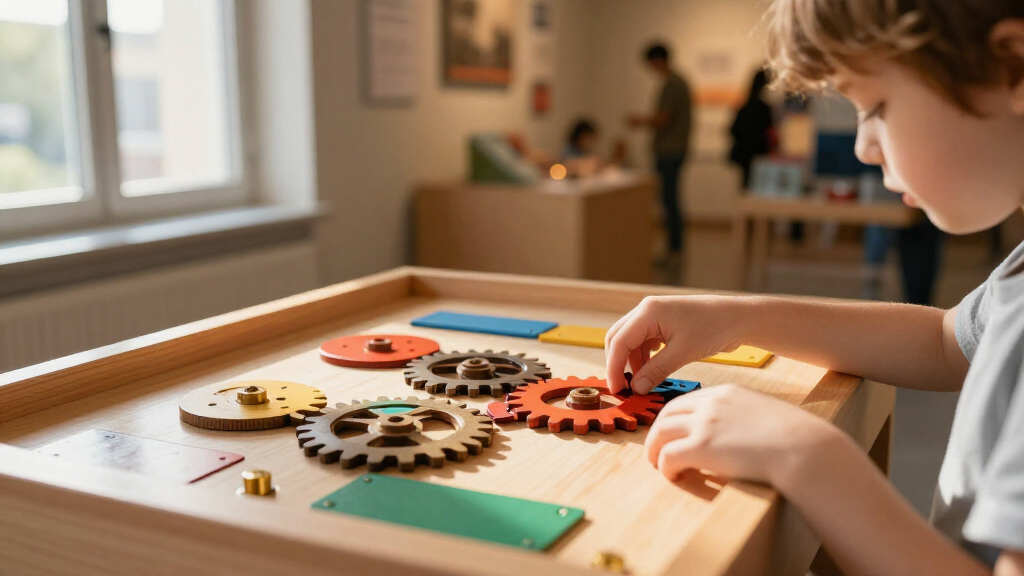
IdeaNavigator AI proposes testing browser-based exhibit learning games with three small museums, using museum collection materials to create school, family and solo activities. The proposal is not a launched product or a reported museum adoption; its suggested pilot would track visitor engagement and whether museums would fund refreshes.
IdeaNavigator AI has proposed a low-cost service that would turn small museums’ collection materials into browser-based learning games, with a suggested pilot at three museums to test visitor engagement and willingness to pay. The concept targets institutions with limited staff and education budgets, but the proposal does not establish that a product has been built or that any museum has agreed to participate.
The proposed package would use photos, exhibit labels and object records supplied by a museum to create a browser-based quest within two weeks. Visitors would not need to download an app. The planned activities include a school-group hunt organized by grade band and aligned to state standards, a family quest and a 10-minute trail for individual visitors. Content would be drafted from the museum’s collection and reviewed by a museum educator.
The suggested service would also give staff a basic editing tool to replace objects when exhibits change, a printable alternative for visitors without a device and analytics that museums could use in grant reports. IdeaNavigator AI proposes a fixed-price setup sized to fit a small grant, followed by an annual hosting and content-refresh fee. Regional museum associations are identified as possible group purchasers; no pricing, signed customers or operating results are provided.
To test the idea, the proposal recommends building quests for three small museums at cost and tracking school-group bookings, family dwell time and repeat visits over one term. The comparison would be with the same term in the prior year. It also suggests checking whether at least two of the three museums would include a paid refresh in their next grant applications. These are proposed measures, not results from a completed study.
Small Museums, Big Ideas: Games That Teach Through Exhibits
IdeaNavigator AI proposes browser-based learning games made from museum collections. The idea is still untested: no launch, partners or results are reported.
Activities from collections
Museums would supply collection materials; an educator would review the drafted activities.
Grade-band hunts
Quests would be organized by grade band and aligned to state standards.
Family quests
A browser activity would give families a structured way to explore exhibits.
Short trails
A 10-minute trail would offer an individual activity without an app download.
What a pilot would measure
The proposal recommends comparing one term with the same term in the prior year.
Create activities for three small museums at cost.
Measure school-group bookings, family dwell time and repeat visits.
Check whether at least two museums would seek a paid refresh in their next grant applications.
Business model still open
The concept aims to fit small institutions’ limited staff and education budgets.
- Fixed-price setup sized for a small grant
- Annual hosting and content-refresh fee
- Editing tool, printable option and grant-report analytics
- No pricing or confirmed customers
- No completed pilot or operating results
- Recurring affordability has not been tested
A Lower-Cost Route to Interactive Visits
The concept addresses a practical constraint for small museums: the people responsible for education, visitor services and exhibits may also be managing other operations. A reusable, collection-specific activity could give school groups and families a structured way to engage with objects without requiring a museum to commission a custom app or maintain a large digital project. Whether it actually increases bookings or visitor time remains to be tested.
The proposal also links the product to grant planning. A fixed-price project could be easier for a small institution to budget than a custom agency contract, while visitor data might help document participation for funders. But a grant-funded first build would not by itself show that museums can afford recurring hosting and updates. The proposed renewal test is aimed at that question.
Popular right now

Bose QuietComfort Wireless Noise-Cancelling Headphones, Sandstone

Breville Bambino Espresso Machine, Brushed Stainless Steel

Vitamix Touch & Go Advance 32-Ounce Bar Blender, White
As an affiliate, we earn on qualifying purchases.
Grant Timing Shapes the Proposal
IdeaNavigator AI frames the opportunity around recent and pending federal grant activity. It says the Institute of Museum and Library Services announced its FY2026 Inspire Grants for Small Museums on September 9, 2026, funding 88 small museums to develop educational programs and exhibits. It also points to an April 2026 court settlement that left the agency intact, alongside a presidential FY2027 budget proposal that again seeks to eliminate IMLS.
The proposal cites a tentative November 13, 2026 deadline for FY2027 National Leadership Grants and argues that institutions may need affordable, clearly scoped education projects for grant applications. Those dates and the grant figures are presented in IdeaNavigator AI’s account; the material does not provide links to agency notices or further details about eligibility, awards or the tentative deadline.
The intended customer is a director or sole educator at a small history, art or science museum—typically one with an annual budget below $250,000—that serves school groups and families. The proposal describes printed worksheets that can remain unchanged for years and family visits that may be brief as problems to investigate, rather than providing independently measured sector-wide data.
Pilot Results and Costs Remain Unknown
No museum partners, launch date, working product, price list or completed pilot are identified. The proposal also does not specify which state standards would be used, how educator review would be staffed, what the editor or analytics would cost to maintain, or how visitor information would be handled. Its two-week production timeline is a target in the concept, not a demonstrated delivery record.
The suggested comparison with the prior-year term could show changes in bookings or visit duration, but the proposal does not explain how it would account for differences in school calendars, exhibits, staffing, marketing or attendance patterns. It is also unclear whether any museums would pay for the service from operating funds if grant money is unavailable. Grant dates and policy details cited in the proposal should be checked against current agency information.
Three-Museum Test Would Come First
The next step described by IdeaNavigator AI is to produce quests for three small museums at cost, then measure bookings, family dwell time and repeat visits across one term against the corresponding period a year earlier. The museums’ interest in budgeting for a paid refresh would provide a separate signal about ongoing demand.
No schedule or participating institutions have been announced. Until a pilot is reported, the concept remains a proposal; readers should look for named museum partners, published pricing and results that clarify whether the games improve engagement and fit small institutions’ budgets.
Source: IdeaNavigator AI
Key Questions
Has the museum learning-games service launched?
No launch is reported. IdeaNavigator AI describes a proposed service and recommends testing it with three small museums.
What would the proposed games include?
The concept includes a grade-band school hunt, a family quest and a 10-minute solo trail, delivered in a browser without an app download. Museums would provide collection photos, labels and object records.
How would the proposal test whether the games work?
It recommends tracking school-group bookings, family dwell time and repeat visits over one term, compared with the same term in the previous year. No results are available because a pilot is not reported as completed.
What remains unknown about the business?
There are no disclosed prices, confirmed museum customers, launch timeline or operating results. Whether institutions would pay for yearly hosting and refreshes also remains untested.
Source: IdeaNavigator AI