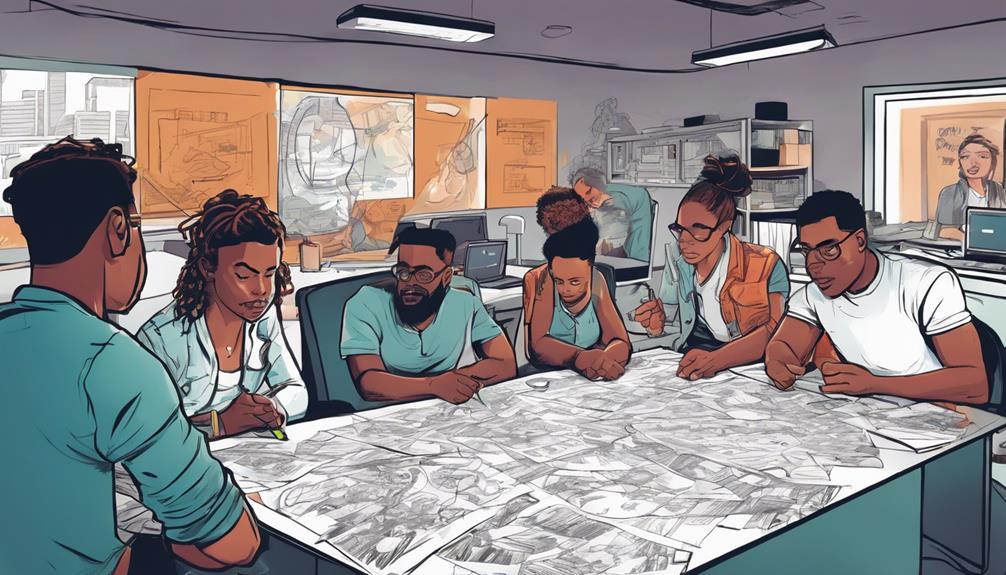

Understanding the psychology of design thinking shows that empathy helps you connect deeply with users’ emotions and needs, creating solutions they genuinely value. Iteration builds on this by allowing you to adapt based on feedback, reducing biases, and aligning your design with users’ mental models. This approach fosters trust, satisfaction, and memorable experiences. Continuing to explore these concepts will reveal how emotions strengthen your designs and promote meaningful engagement.

Get business pricing on monitors, keyboards and dev gear
- Business-only prices and quantity discounts
- Tax-exempt purchasing
- Multiple users, one account, clear invoices
Key Takeaways
- Empathy fosters emotional resonance, creating meaningful connections that increase user satisfaction and loyalty.
- Iteration leverages psychological adaptation, refining designs based on feedback to better align with users’ mental models.
- Understanding cognitive biases helps designers create intuitive solutions that reduce resistance and improve adoption.
- Emotional engagement through empathetic design enhances memorability and motivates positive user actions.
- Repeated experiences through iteration build trust, familiarity, and long-term emotional attachment to the solution.
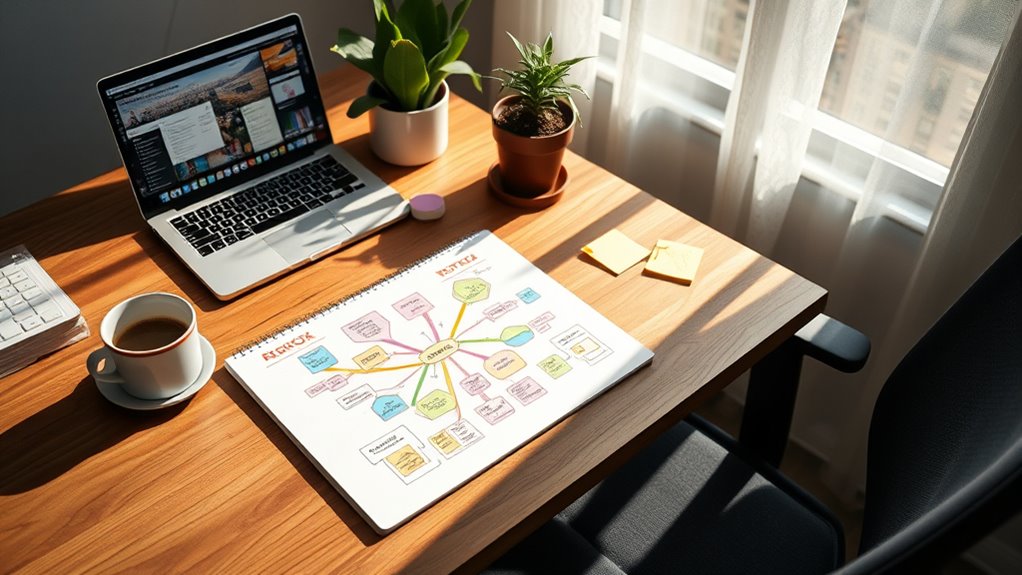
Design thinking isn’t just about creative problem-solving; it’s deeply rooted in psychology, influencing how we approach challenges and generate solutions. At its core, this approach relies heavily on understanding human behavior, emotions, and perceptions. When you focus on emotional resonance, you’re tapping into the feelings that drive people’s actions and preferences. By designing with empathy, you connect with users on a deeper level, ensuring your solutions genuinely address their needs. This connection isn’t purely intuitive; it’s backed by psychological principles that show emotional responses can significantly influence decision-making. When your designs evoke positive feelings or reduce frustration, they become more compelling and memorable. This emotional engagement can lead to increased loyalty and satisfaction, making your solutions more effective.
Design thinking is rooted in psychology, emphasizing empathy, emotional resonance, and understanding human biases for meaningful solutions.
However, the psychology of design thinking also involves steering cognitive biases—those subconscious mental shortcuts we all rely on. These biases shape how people interpret and respond to your ideas, often in unexpected ways. For instance, familiarity bias makes users prefer options that seem more familiar, even if other choices are objectively better. Confirmation bias leads them to favor information that supports their existing beliefs, which can skew their perception of your solution. Recognizing these biases helps you craft designs that align with how users naturally think, reducing resistance and increasing adoption. It’s not about trickery; it’s about understanding mental shortcuts so you can design experiences that feel intuitive and trustworthy.
Your ability to iterate is vital here. Psychology teaches us that humans aren’t static thinkers—they learn, adapt, and change through repeated experiences. When you test your designs, you gather feedback that reveals how these cognitive biases influence user behavior. By iterating based on real responses, you refine your approach, gradually overcoming biases and enhancing emotional resonance. This process fosters a cycle of continuous improvement, where understanding psychological factors guides your decisions. Over time, your solutions become more aligned with users’ mental models, making them easier to adopt and more impactful. Additionally, understanding projector compatibility can help ensure that your solutions are effectively integrated into users’ environments, further enhancing acceptance and satisfaction.
In essence, psychology underpins the entire process of design thinking. It’s not just about creating aesthetically pleasing solutions—it’s about creating meaningful, emotionally resonant experiences that acknowledge and work with human biases. When you harness these insights, your designs become more than just functional; they become engaging, intuitive, and genuinely useful. This psychological foundation ensures that your problem-solving isn’t just creative but also deeply human-centered, ultimately leading to solutions that resonate and endure.
As an affiliate, we earn on qualifying purchases.
Frequently Asked Questions
How Does Cognitive Bias Influence Design Thinking Processes?
Cognitive bias influences your design thinking process by causing you to rely on heuristic shortcuts, which can simplify decision-making but lead to errors. Confirmation bias makes you focus only on information that supports your existing beliefs, limiting creativity and objectivity. Recognizing these biases helps you challenge assumptions, broaden your perspective, and create more user-centered, innovative solutions through better empathy and iteration.
What Role Does Emotional Intelligence Play in Empathy?
Emotional intelligence plays a vital role in empathy by enhancing your emotional awareness and social skills. When you recognize your own feelings and understand others’, you can connect more deeply and respond thoughtfully. This awareness helps you interpret emotions accurately, fostering genuine understanding. Strong social skills allow you to communicate effectively, build trust, and create meaningful relationships, all of which are essential for empathetic engagement and successful collaboration.
Can Design Thinking Be Applied Outside of Business Contexts?
You can definitely apply design thinking outside business, especially when tackling cross-cultural challenges or fostering emotional resilience. It’s a tool that encourages creative problem-solving, active listening, and empathy in any setting—whether in education, healthcare, or community projects. By keeping an open mind and iterating on your ideas, you’ll find innovative solutions and build stronger connections, proving that this approach isn’t just for the boardroom but works anywhere people come together to solve problems.
How Do Cultural Differences Affect Empathy and Iteration?
Cultural differences greatly influence how you practice empathy and face iteration challenges. Cross-cultural empathy requires you to understand diverse perspectives and communication styles, which can slow down your process. You might encounter misunderstandings or resistance, making iteration more complex. To succeed, you need to adapt your approach, be patient, and stay open-minded. This way, you build genuine connections and create solutions that respect cultural nuances, improving your overall design process.
What Are Common Psychological Pitfalls in Iterative Design?
Like walking a tightrope over a canyon, you might fall into common psychological pitfalls during iteration. Bias blindspots can cloud your judgment, making you overlook flaws, while overconfidence bias leads you to overestimate your solutions’ effectiveness. These pitfalls can cause you to resist necessary changes or misinterpret user feedback. Staying aware of these tendencies helps you stay grounded, encouraging more honest, effective iterations that truly meet user needs.
As an affiliate, we earn on qualifying purchases.
Conclusion
Think of design thinking as tending a garden. Your empathy is the nurturing soil, helping ideas grow, while iteration is the steady watering that refines each bloom. With patience and care, your creations flourish beyond initial visions. Embrace empathy and iteration as your guiding sun and rain, knowing that through constant tending, you’ll cultivate solutions that truly resonate. In this garden, every setback is just another seed for a more beautiful, meaningful outcome.
As an affiliate, we earn on qualifying purchases.
emotional engagement design products
As an affiliate, we earn on qualifying purchases.
As an affiliate, we earn on qualifying purchases.
Fall Picks
fall essentials
As an affiliate, we earn on qualifying purchases.