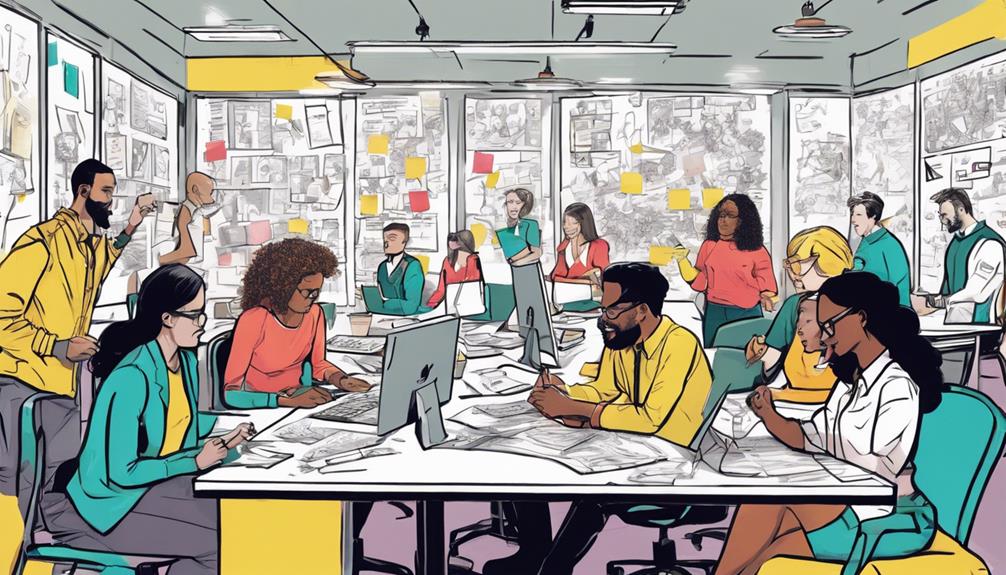
Relying solely on Post-Its can limit your ability to foster deep, collaborative, and innovative design thinking. Digital tools enable you to organize, connect, and explore ideas more effectively, encouraging richer engagement and more meaningful solutions. Moving beyond sticky notes helps create environments where everyone’s input is valued, fostering smarter decisions and resilient teamwork. If you want to discover how to transform your approach and elevate your design process, there’s more to explore ahead.

Get business pricing on monitors, keyboards and dev gear
- Business-only prices and quantity discounts
- Tax-exempt purchasing
- Multiple users, one account, clear invoices
Key Takeaways
- Adopt digital collaboration tools that enable real-time idea sharing, connection, and deeper engagement beyond static Post-It notes.
- Shift focus from superficial decor to creating meaningful, user-centered experiences through strategic visualization and interaction.
- Foster a collaborative mindset that encourages diverse perspectives, iteration, and exploration of ideas for richer innovation.
- Use analytics and visualizations in digital platforms to identify patterns, insights, and areas for improvement effectively.
- Prioritize thoughtful problem-solving and collective intelligence over superficial organization to elevate design thinking practices.

Have Post-Its truly revolutionized how we stay organized, or is it time to move beyond sticky notes? While they’ve become a staple in offices and brainstorming sessions, relying solely on sticky notes can limit your ability to foster deeper understanding and collaborative innovation. These small paper squares might be handy for quick reminders, but they often fall short when it comes to creating meaningful user experiences or facilitating complex problem-solving. If you want to elevate your approach, it’s vital to look beyond their superficial charm and embrace methods that promote thoughtful engagement and collective insight.
Moving past Post-Its means shifting your focus from mere decoration to designing experiences that genuinely serve your team’s needs. Instead of scattering notes around a whiteboard, consider integrating digital tools that allow real-time collaboration and richer context. For example, interactive boards or shared digital spaces enable team members to add, modify, and connect ideas seamlessly, making the process more intuitive and inclusive. This progression enhances user experience by reducing frustration, miscommunication, and lost ideas—issues common with static notes that can become cluttered or overlooked. Your goal is to create an environment where everyone feels heard, engaged, and motivated to contribute, which ultimately results in more innovative solutions.
Shift from decoration to designing collaborative, digital experiences for more inclusive and innovative team solutions.
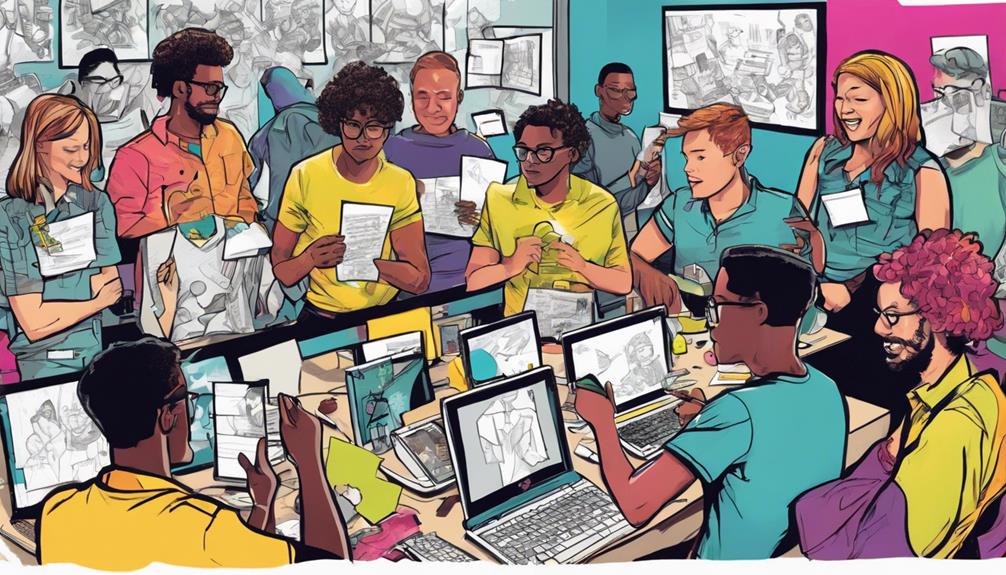
This shift also encourages collaborative innovation, where diverse perspectives come together to spark new ideas. When you move beyond Post-Its, you’re not just replacing paper—you’re fostering a culture of openness and continuous feedback. Digital collaboration platforms allow for deeper exploration of concepts, easy iteration, and tracking of progress, making it easier to build on each other’s ideas. Instead of isolated notes, teams work within a shared space, actively engaging with the problem rather than just jotting down quick thoughts. This collective approach leads to richer insights and more creative outcomes, as everyone’s voice is integrated into the process. Plus, digital tools often come with analytics and visualizations that help you understand patterns and areas for improvement more effectively. Recognizing the importance of emotional support can also improve team cohesion and resilience during collaborative projects.
Ultimately, moving beyond Post-Its requires a mindset shift. You need to see design thinking as a process of creating meaningful experiences and fostering collaboration rather than just decorating walls with colorful notes. By prioritizing user experience and embracing collaborative innovation, you empower your team to solve problems more effectively, generate fresh ideas, and make smarter decisions. So, while Post-Its might still have their place for quick notes, true progress lies in adopting deeper, more strategic tools that support your team’s collective intelligence. It’s time to rethink how you approach organization and innovation—moving beyond sticky notes to create solutions that are as thoughtful as they are visual.
As an affiliate, we earn on qualifying purchases.
Frequently Asked Questions
How Can Design Thinking Be Integrated Into Existing Corporate Cultures?
You can integrate design thinking into your corporate culture by fostering cultural alignment through shared values and goals. Engage leadership actively to champion the process, inspiring teams to adopt a mindset of innovation and empathy. Encourage open collaboration and experimentation, making design thinking part of everyday decision-making. By aligning these efforts with your company’s core culture and ensuring leaders model the approach, you’ll create a sustainable environment for ongoing innovation.
What Are Common Pitfalls When Adopting Deep Design Thinking Practices?
You might face resistance or complacency when adopting deep design thinking practices, often driven by surface superficiality. People may resist change or stick to familiar routines, fearing complexity or failure. To avoid these pitfalls, actively engage stakeholders, emphasize the value of depth, and demonstrate tangible results. Keep fostering curiosity and openness, so your team moves beyond superficial solutions and truly embraces meaningful, innovative design thinking.
How Does Design Thinking Differ Across Various Industries?
Did you know that 70% of industries adapt design thinking differently? You’ll find that industry adaptation varies widely; for example, healthcare emphasizes empathy and patient-centered solutions, while tech focuses on rapid prototyping. Cross-sector applications show the flexibility of design thinking, but you must customize your approach to each industry’s unique challenges. This ensures that your solutions are relevant, effective, and foster innovation across diverse fields.
What Tools Complement Depth Over Decoration in Design Thinking?
You should use tools like Empathy Mapping and Rapid Prototyping to prioritize depth over decoration in design thinking. Empathy Mapping helps you deeply understand user needs, ensuring your solutions are user-centered. Rapid Prototyping allows you to quickly test ideas, refine concepts, and learn fast. These tools focus on meaningful insights and practical experimentation, helping you develop thoughtful, effective designs rather than superficial aesthetics.
How Can Teams Measure the Success of Deep Design Thinking Initiatives?
You can measure the success of deep design thinking initiatives by focusing on success metrics that track real impact. Start by investigating whether your solutions address core user needs and solve fundamental problems. Use tools like user feedback, behavioral data, and iterative testing to gauge progress. By measuring impact through tangible outcomes—such as increased user engagement or problem resolution—you guarantee your efforts reflect true depth, not just surface-level decoration.
interactive whiteboards for teams
As an affiliate, we earn on qualifying purchases.
As an affiliate, we earn on qualifying purchases.
Conclusion
As you step beyond the colorful Post-Its, you’ll realize that true design thinking isn’t just about surface-level ideas or quick fixes. It’s about diving deeper, embracing complexity, and trusting the process. Funny how a simple sticky note can lead you to unexpected insights—sometimes, it’s the small shifts that spark the biggest breakthroughs. So, keep exploring with curiosity; you never know when the next revelation might be just a thought away.
team project management software
As an affiliate, we earn on qualifying purchases.
As an affiliate, we earn on qualifying purchases.
visualization tools for design thinking
As an affiliate, we earn on qualifying purchases.
As an affiliate, we earn on qualifying purchases.
Halloween Picks
halloween
As an affiliate, we earn on qualifying purchases.