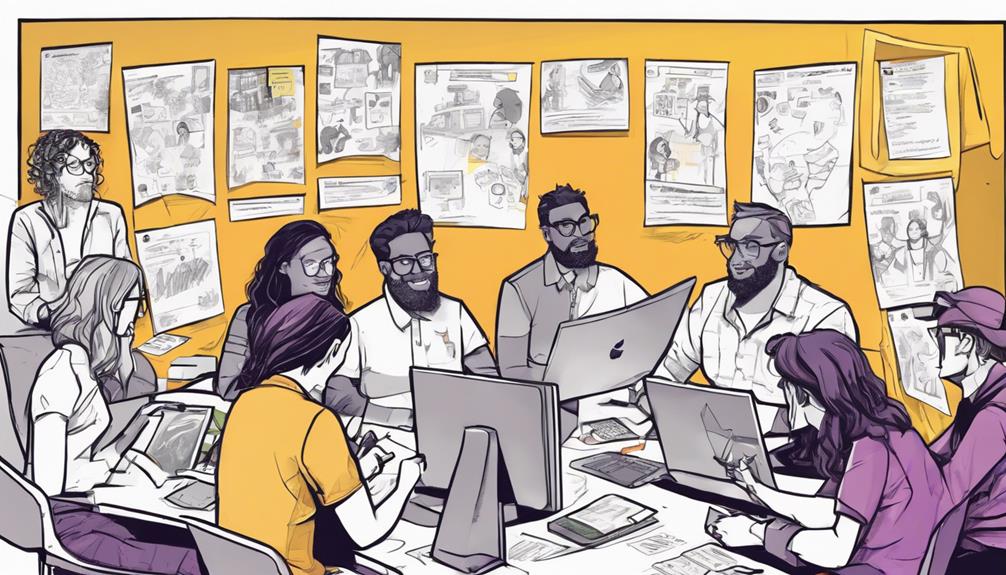
Constraints play a vital role in human-centered innovation by guiding you to develop solutions that are practical, culturally sensitive, and sustainable. They push you to prioritize high-impact features and foster creative, cost-effective approaches. Instead of limiting your ideas, constraints inspire resourcefulness, deepen understanding of user needs, and encourage collaboration. When you embrace these boundaries, you create more relevant and authentic innovations. Keep exploring, and you’ll discover how constraints can become your greatest opportunities for meaningful change.
Open a free Amazon Business account
Business pricing, bulk buying and tax-exempt orders.
As an affiliate, we earn on qualifying purchases.
Key Takeaways
- Constraints act as filters that shape feasible, relevant, and culturally sensitive solutions in human-centered innovation.
- They stimulate creativity by encouraging resourceful, low-cost, and elegant design approaches.
- Limitations deepen understanding of user needs and environment, ensuring solutions are practical and impactful.
- Constraints foster collaboration, community engagement, and sustainable, context-aware innovations.
- Embracing limitations promotes authenticity, relevance, and the development of innovative solutions within real-world boundaries.

Human-centered innovation often faces a variety of constraints that can challenge even the most creative efforts. These limitations aren’t just obstacles—they’re part of the landscape you must navigate to develop solutions that truly meet users’ needs. Among the most common barriers are cultural limitations, which can influence how your ideas are received and implemented. When working across different communities or markets, you might find that certain behaviors, beliefs, or traditions restrict what’s possible. These cultural nuances might prevent you from introducing a product or service in a way that feels natural or acceptable to the target audience. Recognizing and respecting these limitations is vital; it requires you to adapt your approach without compromising the essential human-centered focus.
Cultural limitations shape how solutions are received; respecting them ensures authentic, human-centered innovation.
Budget restrictions also play a significant role in shaping what you can achieve. Limited financial resources mean you have to be strategic about where you invest time and money. You might want to design an all-encompassing prototype or conduct extensive user testing, but budget constraints force you to prioritize. This often leads to making tough decisions—focusing on high-impact features or rapid iterations instead of perfecting every detail. These restrictions challenge you to be more inventive, finding low-cost solutions that still deliver meaningful value. They push you to think creatively about resource allocation, leveraging existing tools, partnerships, or technologies to stretch your budget further. For example, utilizing cost-effective materials or open-source platforms can help maximize impact without overspending.
Both cultural limitations and budget restrictions compel you to think more critically about your approach. They serve as filters that guide your innovation process, ensuring that your solutions are feasible and relevant. Instead of viewing constraints as purely negative, see them as opportunities to innovate within boundaries. For example, cultural limitations might inspire you to develop culturally sensitive features or adapt your messaging to resonate better with diverse groups. Budget restrictions could motivate you to create simple, elegant designs that are easy to produce and maintain. These constraints, in essence, challenge you to be more resourceful, more empathetic, and more precise in your problem-solving. Recognizing and incorporating technological constraints can further enhance your ability to develop practical solutions within existing capabilities. Embracing these limitations can also open up new avenues for collaboration and community engagement, which are often overlooked.
Additionally, understanding the diverse genres in popular media can offer insights into how different audiences engage with stories, which can inform your development process. Ultimately, constraints in human-centered innovation aren’t roadblocks—they’re catalysts. They push you to be more intentional and thoughtful, ensuring your solutions are not only innovative but also practical and respectful of real-world factors. By embracing these limitations, you develop a deeper understanding of your users and the environment in which your solutions will operate, leading to more sustainable and impactful innovations.
As an affiliate, we earn on qualifying purchases.
Frequently Asked Questions
How Do Cultural Differences Influence Constraints in Innovation?
Cultural differences shape your innovation boundaries by influencing what’s seen as acceptable or possible, often rooted in cultural biases. These biases can limit your creativity or open new avenues, depending on how you approach them. You may face constraints rooted in cultural norms, but recognizing these boundaries allows you to navigate or challenge them, fostering more inclusive, human-centered innovations. Embracing diverse perspectives helps you expand your innovation potential beyond traditional constraints.
Can Constraints Ever Completely Hinder Creative Processes?
Constraints can’t completely hinder your creative freedom; instead, they often sharpen your focus and inspire innovative solutions. When you accept constraints, you learn to work within them creatively, transforming limitations into opportunities. While restrictions might seem like barriers, embracing constraint acceptance helps you see beyond obstacles and sparks fresh ideas. Ultimately, constraints shape your thinking, pushing you toward more inventive outcomes rather than blocking your creative process entirely.
What Are Examples of Constraints Leading to Breakthrough Innovations?
Resource limitations and regulatory hurdles often spark breakthrough innovations by forcing you to think creatively. For example, limited materials led to the development of lightweight carbon fiber, and strict regulations pushed companies to innovate safer, more efficient energy solutions like electric vehicles. These constraints challenge you to find novel solutions, turning obstacles into opportunities that drive progress and redefine what’s possible in your field.
How Do Constraints Vary Across Different Industries?
Constraints in industries are like fences shaping a garden, guiding what can grow. In tech, resource limitations push you to innovate efficiently, while regulatory challenges act as gatekeepers, shaping your approach. In healthcare, strict safety standards and limited resources demand creative solutions that prioritize patient care. Each industry’s unique blend of constraints influences your innovation path, turning obstacles into opportunities for breakthrough ideas.
What Skills Help Navigate Constraints Effectively in Innovation?
To navigate constraints effectively in innovation, you need resourcefulness skills and adaptability strategies. Your resourcefulness helps you find creative solutions within limitations, while adaptability ensures you can pivot when challenges arise. By staying flexible and thinking outside the box, you’ll turn constraints into opportunities for innovative breakthroughs. Developing these skills allows you to manage resource constraints and shifting conditions, ultimately driving successful human-centered innovations.
cost-effective prototyping materials
As an affiliate, we earn on qualifying purchases.
As an affiliate, we earn on qualifying purchases.
Conclusion
As you navigate the landscape of human-centered innovation, remember that constraints aren’t just obstacles—they’re the catalysts for creativity. Embrace them, challenge them, and let them push your boundaries further than you imagined. But beware: the true power of constraints remains hidden, waiting to be revealed. Are you ready to uncover what lies beyond? The next breakthrough could be just one constraint away, if you’re willing to look deeper. The key is yours to find.
culturally sensitive user research tools
As an affiliate, we earn on qualifying purchases.
As an affiliate, we earn on qualifying purchases.
collaborative innovation software
As an affiliate, we earn on qualifying purchases.
As an affiliate, we earn on qualifying purchases.
NFL season / tailgating Picks
team gear
As an affiliate, we earn on qualifying purchases.