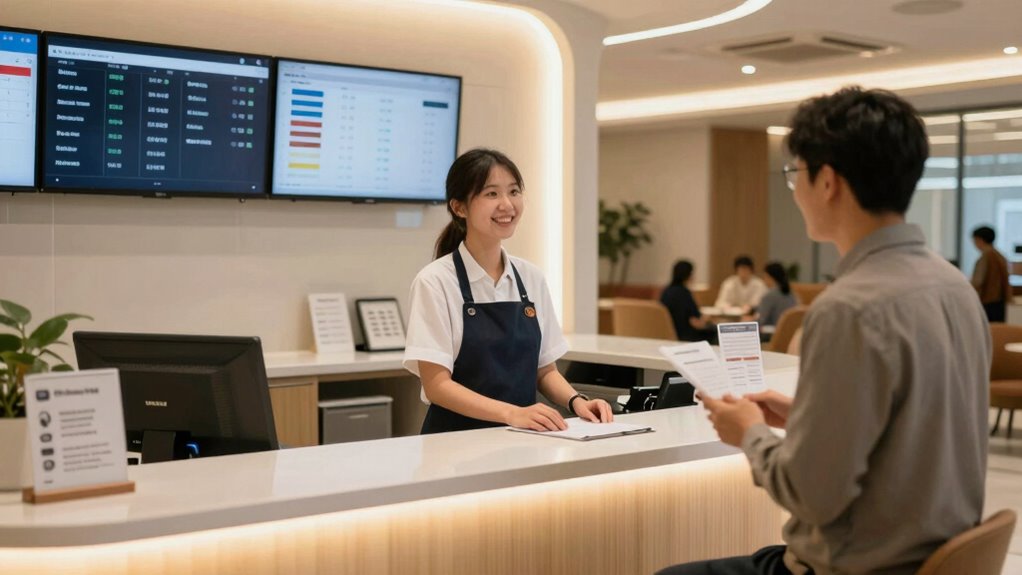

Demand shaping in service businesses involves actively engaging your customers and customizing your offerings to influence when and how they use your services. You can do this by personalizing experiences, offering targeted incentives, or scheduling options that shift demand to off-peak times. Building strong relationships and understanding client preferences make it easier to encourage flexible habits. Keep exploring, and you’ll uncover effective strategies to make demand more predictable and improve your service operations.

Get business pricing on monitors, keyboards and dev gear
- Business-only prices and quantity discounts
- Tax-exempt purchasing
- Multiple users, one account, clear invoices
Key Takeaways
- Customizing services to individual customer preferences encourages off-peak scheduling and demand smoothing.
- Engaging customers actively provides insights to tailor offerings and influence scheduling behaviors.
- Using data analysis tools to understand preferences helps target marketing and demand-shifting strategies.
- Building collaborative relationships motivates customers to adjust their habits willingly.
- Offering personalized reminders, discounts, and flexible options helps balance demand fluctuations effectively.

Have you ever wondered how service businesses manage to balance fluctuating customer demand? It’s a constant challenge, especially when customer needs can change rapidly and unpredictably. That’s where demand shaping comes into play, helping businesses steer customer behavior and smooth out peaks and valleys. One of the key strategies is service customization. By tailoring your offerings to meet individual customer preferences, you make each experience more relevant and satisfying. When customers feel that a service is specifically designed for them, they’re more likely to engage deeply and stick around longer. This heightened customer engagement encourages loyalty and often results in more predictable demand patterns, as satisfied clients tend to return and recommend your service to others.
Personalized service enhances engagement, loyalty, and predictable demand for service businesses.
Service customization isn’t just about products; it’s about creating an experience that resonates personally. For example, if you’re running a spa, offering personalized treatment plans based on customer preferences or skin types makes clients feel valued. When customers perceive that their unique needs are understood and addressed, they’re more willing to schedule appointments during off-peak times, helping you manage demand better. Similarly, in a consulting firm, customizing solutions for each client not only improves satisfaction but also influences when they choose to book your services, aligning demand more evenly throughout the week.
Customer engagement is equally essential to demand shaping. When you actively interact with your clients, you gather insights into their preferences, pain points, and schedules. This information allows you to craft targeted marketing campaigns, special offers, or appointment slots that encourage bookings during slower periods. For instance, sending personalized reminders or exclusive discounts for off-peak hours can nudge customers to shift their usage times, balancing out demand. The more engaged your customers feel—through regular communication, feedback opportunities, or loyalty programs—the more likely they are to respond positively to your demand-shaping efforts. Additionally, using technology to analyze customer data can provide valuable insights that inform your strategies.
Understanding customer preferences and leveraging the right tools can significantly enhance your demand management strategies. Moreover, customer engagement fosters trust and strengthens your relationship, making customers more receptive to flexible scheduling options. It’s important to recognize that empathy plays a crucial role in building these connections, as understanding customer needs deeply helps tailor your approach. Building a personalized experience based on customer insights can further encourage demand smoothing by making clients feel truly valued. It’s not just about pushing them into different times but creating a collaborative environment where they see the value in adjusting their habits. When you combine service customization with active engagement, you build a dynamic system that influences customer behavior naturally. This synergy enables you to smooth demand fluctuations, optimize resource utilization, and ultimately deliver a more consistent, high-quality service experience. As a result, you not only meet customer expectations but also gain better control over your business’s operational flow.
customer engagement software for service businesses
As an affiliate, we earn on qualifying purchases.
As an affiliate, we earn on qualifying purchases.
Frequently Asked Questions
How Can Small Service Businesses Implement Demand Shaping Strategies Effectively?
You can implement demand shaping by boosting customer engagement through personalized offers and timely communication. Use flexible pricing strategies like discounts during slow periods to encourage bookings and manage demand. Keep your customers informed and engaged via social media or email campaigns, making them feel valued. By aligning your pricing and engagement efforts, you’ll balance demand, optimize revenue, and build stronger relationships with your clients.
What Tools Are Best for Predicting Service Demand Fluctuations?
You should focus on tools that enhance forecasting accuracy, like advanced data analytics platforms. These tools analyze historical demand data, customer patterns, and seasonal trends to predict fluctuations more precisely. Software such as Tableau, Power BI, or specialized demand forecasting tools can help you identify upcoming peaks or slow periods. By leveraging these insights, you can adjust staffing, inventory, or marketing efforts proactively, ensuring you meet customer demand efficiently.
How Does Demand Shaping Impact Customer Satisfaction?
They say, “The customer is always right,” and demand shaping can help you meet that truth. When you effectively manage demand, you improve customer perception by ensuring service consistency, even during busy times. This proactive approach reduces wait times and frustrations, boosting satisfaction. Ultimately, shaping demand builds trust, showing customers you value their experience. Happy customers are more likely to stay loyal and recommend your services, growing your business.
Are There Risks Associated With Aggressive Demand Management?
Yes, aggressive demand management can lead to risks like overbooking pitfalls, which frustrate customers and damage your reputation. It can also strain employee scheduling, causing burnout and reducing service quality. You might try to optimize demand, but if you’re not careful, these issues can undermine customer satisfaction and operational efficiency. To avoid this, balance your efforts with accurate forecasting and flexible staffing strategies, ensuring a smooth experience for both clients and staff.
How Do Demand Shaping Tactics Differ Across Various Service Industries?
In service industries, demand shaping varies through personalization strategies and pricing adjustments. You tailor services to meet customer preferences, encouraging bookings during off-peak times, while adjusting prices to influence demand patterns. You might offer personalized packages in hospitality, flexible scheduling in healthcare, or discounts in retail services. By customizing approaches, you effectively balance demand, enhance customer experience, and optimize resource utilization across diverse service sectors.
personalized appointment reminder tools
As an affiliate, we earn on qualifying purchases.
As an affiliate, we earn on qualifying purchases.
Conclusion
By mastering demand shaping, you can smoothly steer service schedules, satisfy customers, and sustain success. Shaping strategically shifts spikes, softens surges, and sustains steady streams. With mindful management, you transform tension into teamwork, chaos into control, and chaos into calm. So, seize the skill of shaping, stay sharp, and support your service’s success story—shaping your service schedule into a seamless, satisfying, and sustainable success.
demand management tools for service industry
As an affiliate, we earn on qualifying purchases.
As an affiliate, we earn on qualifying purchases.
off-peak scheduling incentives for clients
As an affiliate, we earn on qualifying purchases.
As an affiliate, we earn on qualifying purchases.
Halloween Picks
halloween
As an affiliate, we earn on qualifying purchases.