

To design offers for multiple buyer types without confusion, start by segmenting your audience based on needs and preferences, then create tailored messaging and pricing for each group. Use clear labels like “Basic,” “Plus,” or “Premium” to make differences obvious. Keep communication straightforward and consistent across channels, emphasizing what each offer delivers. By understanding customer motivations and testing your approaches, you’ll effectively appeal to diverse buyers—if you want to discover more, keep exploring this approach further.

Get business pricing on monitors, keyboards and dev gear
- Business-only prices and quantity discounts
- Tax-exempt purchasing
- Multiple users, one account, clear invoices
Key Takeaways
- Segment customers clearly and tailor offers to their specific needs and preferences.
- Use distinct labels and consistent messaging for each offer type to avoid confusion.
- Highlight unique value propositions for each buyer group, emphasizing relevant features or discounts.
- Incorporate emotional and visual cues that resonate with different segments to enhance understanding.
- Regularly test and refine offers based on customer feedback and performance data to maintain clarity and relevance.
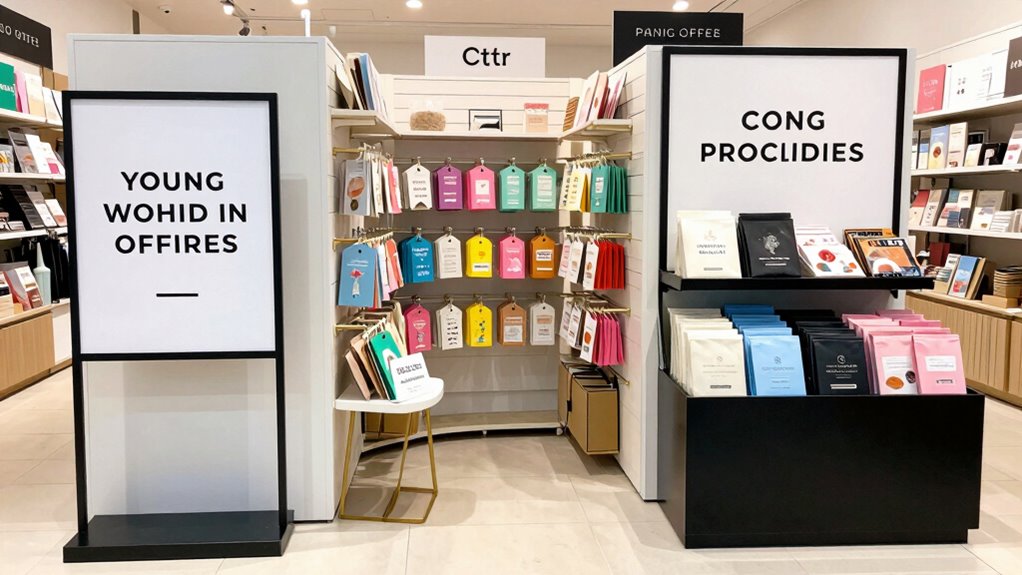
Have you ever wondered how to craft offers that appeal to different types of buyers? It’s a common challenge, especially when you want to maximize your reach without confusing your audience. The key lies in understanding customer segmentation and applying effective pricing strategies. When you segment your customers, you divide them into groups based on their needs, preferences, and behaviors. This allows you to tailor your offers specifically for each group, making your marketing more targeted and compelling. Instead of one-size-fits-all deals, you create variations that resonate with different buyer personas, increasing the likelihood of conversions.
To execute this successfully, you need to develop clear customer segments. For example, some buyers may be price-sensitive, seeking the best deals and discounts, while others might prioritize premium quality or exclusive features. Knowing these distinctions helps you design offers that match each segment’s motivations. With pricing strategies in mind, you can present different value propositions. For budget-conscious customers, you might emphasize discounts, bundle deals, or entry-level options. For more affluent buyers, you could highlight premium features, limited editions, or personalized services. This strategic variation guarantees that each segment feels understood and valued without diluting your brand’s core message. Additionally, understanding the Art movements that influence contemporary design can inspire innovative offer structures that appeal to modern consumers.
Develop clear customer segments and tailored offers to meet diverse needs without diluting your brand.
Furthermore, understanding the emotional significance of your offers can help forge stronger connections with your audience, making your marketing efforts more impactful. Incorporating customer behavior insights can further fine-tune your approach and improve your targeting efforts. For example, emphasizing visual appeal can attract more attention and improve engagement with your tailored offers. However, it’s essential to communicate these offers clearly to avoid confusion. You don’t want your audience to feel overwhelmed by too many options or unclear differences. Keep your messaging straightforward and consistent. Use clear labels like “Basic,” “Plus,” or “Premium” to help customers quickly identify what suits their needs. Make sure your website, emails, and advertising channels reflect these distinctions transparently. When customers see tailored offers that match their preferences, they’re more likely to engage and make a purchase.
Another important aspect is testing and refining your offers. Pay attention to how different segments respond and adjust your pricing strategies accordingly. If a particular offer isn’t performing well, consider tweaking the value proposition or simplifying the choices. Remember, the goal isn’t just to create multiple offers but to verify each one aligns with your customer’s expectations and prompts action. When you approach your offers with clarity, segmentation, and strategic pricing, you build trust and make your marketing efforts more effective.
In the end, designing offers for multiple buyer types requires a balance. You want to appeal to diverse needs without fragmenting your brand or confusing your audience. By understanding customer segmentation and applying smart pricing strategies, you can craft tailored offers that resonate, convert, and foster long-term relationships.
As an affiliate, we earn on qualifying purchases.
Frequently Asked Questions
How Do I Determine the Different Buyer Types for My Offer?
You determine different buyer types by starting with buyer profiling—gathering data on your customers’ demographics, behaviors, and preferences. Use segmentation strategies to categorize them into distinct groups based on these insights. Ask questions like, “What motivates each group?” and “What challenges do they face?” This helps you identify key buyer types, ensuring your offers are tailored and clear without overwhelming your audience.
What Pricing Strategies Work Best for Multiple Buyer Segments?
You should use tiered or segmented pricing strategies to cater to multiple buyer segments, boosting value perception for each. By understanding price elasticity, you can set prices that maximize sales without undervaluing your offer. Offering discounts or premium options allows different segments to find a price point that feels fair. This approach helps you serve diverse buyers effectively while maintaining clarity and avoiding confusion.
How Can I Test Which Offer Resonates Most With Each Group?
You can test which offer resonates most with each group by applying segmentation techniques to divide your audience based on their preferences and behaviors. Use personalization tactics like tailored messaging or customized offers within each segment. Run A/B tests to compare responses, track engagement, and analyze data to see which offers perform best. This approach helps you refine your strategy, ensuring each buyer type receives the most compelling, relevant offer.
What Common Mistakes Should I Avoid When Designing Multiple Offers?
Avoid common mistakes like confusing your audience with poorly structured offer bundling. Overcomplicating your offers can reduce clarity, and 80% of consumers prefer tailored options, emphasizing the importance of precise customer segmentation. Don’t ignore the need for clear messaging and distinct value propositions for each segment. Keep offers simple yet targeted, ensuring each buyer type understands how it benefits them specifically, reducing confusion and increasing conversions.
How Do I Communicate Multiple Offers Without Overwhelming Customers?
You should use personalization tactics to tailor your messaging for each buyer type, making offers feel relevant without overwhelming. Keep your messaging consistent across channels to avoid confusion, ensuring your audience recognizes your brand and understands your value. Clearly differentiate offers with simple, targeted language. Limit the number of variations you present at once, focusing on what matters most to each buyer. This approach keeps communication clear and engaging.
As an affiliate, we earn on qualifying purchases.
Conclusion
By tailoring offers to different buyer types, you create a more personalized experience that resonates and drives conversions. Remember, 80% of consumers are more likely to purchase from brands that offer personalized experiences. So, don’t shy away from segmenting your audience and crafting targeted offers. It may seem complex at first, but the payoff is worth it—more engagement, loyalty, and ultimately, more sales. Keep testing and refining to find what truly works for each buyer type.
As an affiliate, we earn on qualifying purchases.
As an affiliate, we earn on qualifying purchases.
Halloween Picks
halloween
As an affiliate, we earn on qualifying purchases.