A PTZ camera is worth it if you need flexible, real-time control over large or busy areas, especially when quick zooms, pan, or tilt are essential. They’re ideal for dynamic environments like live events, security, or outdoor spaces where constant adjustments improve coverage. However, if your environment is static and requires little movement, fixed cameras are more cost-effective and simpler to manage. Keep exploring to find out which option suits your needs best.

Get business pricing on monitors, keyboards and dev gear
- Business-only prices and quantity discounts
- Tax-exempt purchasing
- Multiple users, one account, clear invoices
Key Takeaways
- PTZ cameras are worth it for dynamic environments needing real-time control, zoom, and flexible coverage across large or hard-to-reach areas.
- They are overkill in static settings with minimal movement, where fixed cameras provide sufficient, cost-effective surveillance.
- Use PTZs when quick adjustments and detailed zoom are critical, but avoid them if environmental stability and simple monitoring suffice.
- PTZ cameras are ideal for live events, security, and outdoor spaces requiring remote control and rapid scene changes.
- For small, well-lit, or low-traffic environments, fixed cameras are more practical, affordable, and easier to maintain.
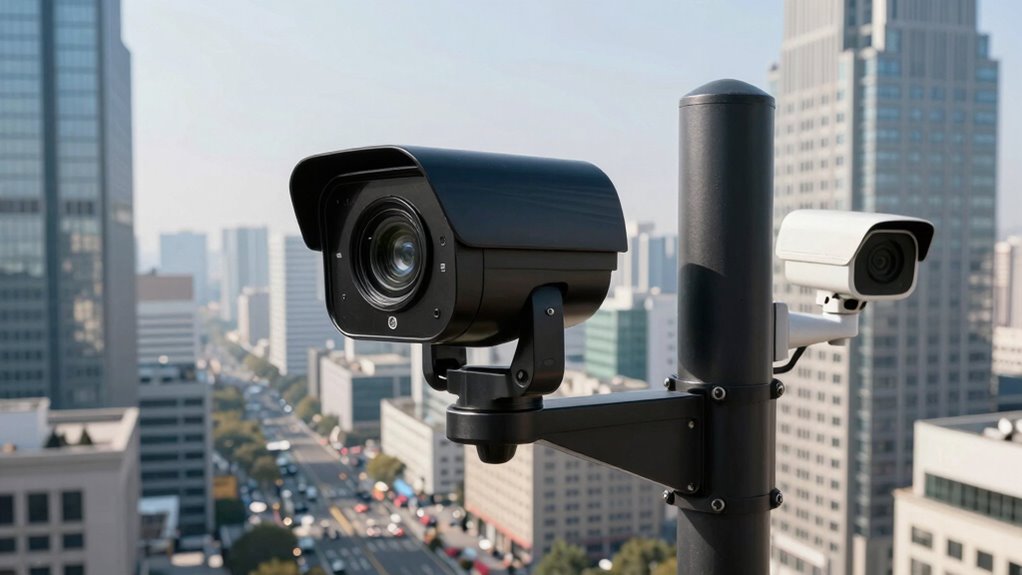
PTZ security camera with remote control
As an affiliate, we earn on qualifying purchases.
As an affiliate, we earn on qualifying purchases.
When Should You Use a PTZ Camera?
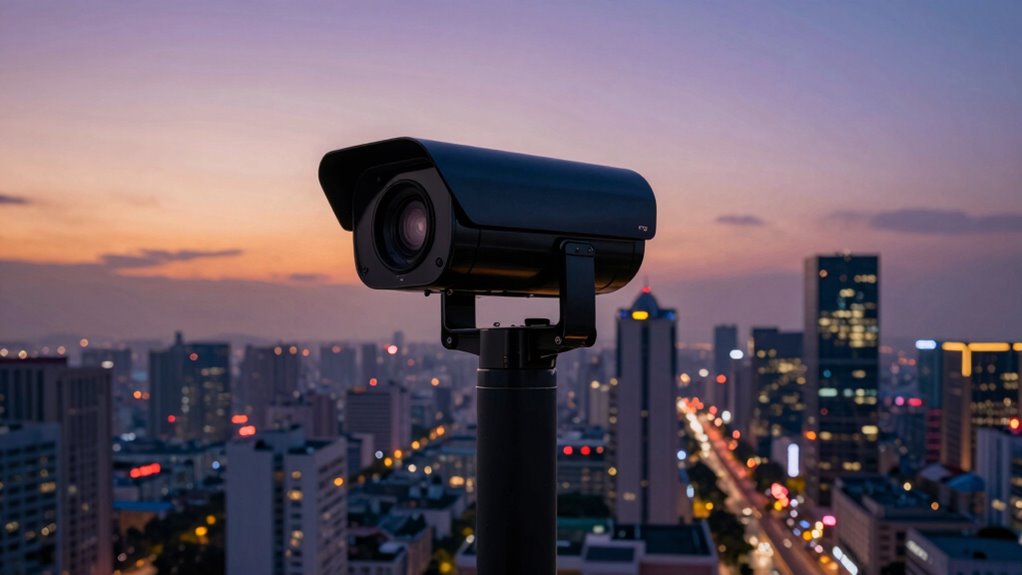
You should consider using a PTZ camera when you need flexible, real-time control over what’s being captured. These cameras excel in situations where dynamic shots or quick adjustments are essential. They offer excellent aesthetic integration, blending seamlessly into various environments without disrupting the visual appeal. This makes them ideal for live events, security, or broadcasting where the camera’s movement and zoom are vital. Keep in mind, though, that PTZ cameras often have higher power consumption than static units, so plan your power setup accordingly. If you require the ability to scan large areas or focus on specific details effortlessly, a PTZ camera provides the versatility you need. Their control features make them a smart choice for environments demanding adaptability and precision, as well as high contrast ratios that can enhance image clarity in challenging lighting conditions. Additionally, understanding the security features of PTZ cameras can help you maximize their effectiveness in safeguarding your space. Recognizing the importance of power management can further optimize the performance and longevity of your camera setup. Incorporating proper maintenance practices can also prolong the lifespan and ensure consistent operation of your PTZ camera system.
outdoor PTZ camera for live events
As an affiliate, we earn on qualifying purchases.
As an affiliate, we earn on qualifying purchases.
Key Factors That Justify Choosing a PTZ Camera
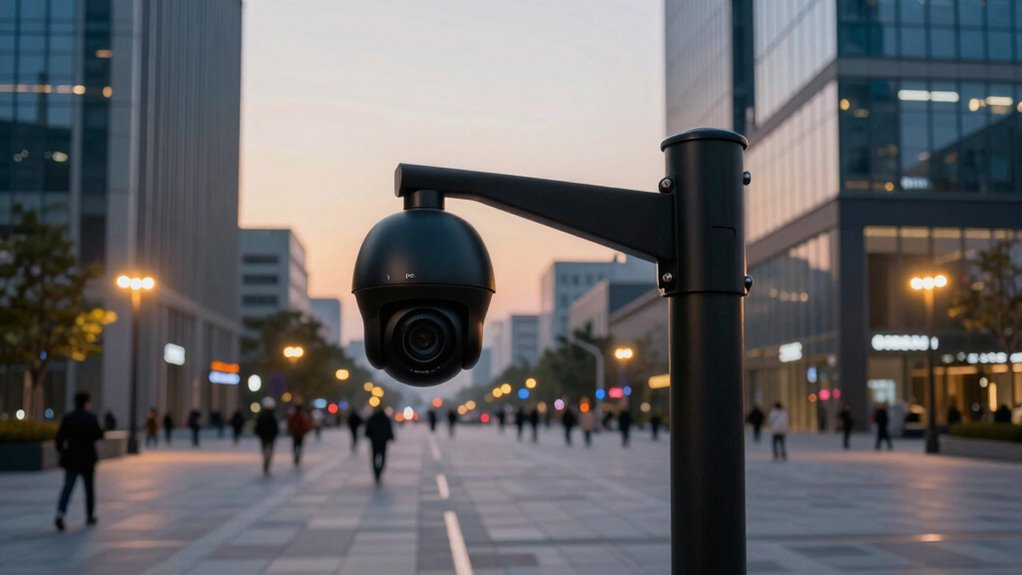
When considering a PTZ camera, key factors like its ability to provide dynamic coverage, advanced zoom capabilities, and remote control make it a smart choice in certain situations. These features allow you to adapt quickly to changing scenes and focus on specific details without physically adjusting the camera. If these elements match your needs, a PTZ camera could be the right solution for you. Incorporating herbal wellness practices can also enhance overall well-being, much like how a PTZ camera enhances coverage in a security setup. Recognizing early detection signs can help prevent larger issues, emphasizing the importance of timely intervention. Just as drone bees play a crucial role in hive health and pollination, a PTZ camera helps maintain comprehensive surveillance coverage to catch issues early. The ability to adjust camera angles remotely ensures that critical moments are never missed, especially in unpredictable environments. Monitoring for odor changes can be an important indicator of underlying issues, much like how subtle scent shifts can reveal health problems or spoilage.
Dynamic Coverage Flexibility
Dynamic coverage flexibility is a primary reason to choose a PTZ camera, especially in environments where the scene constantly changes or multiple areas need monitoring. With PTZ cameras, you can quickly pan, tilt, or zoom to focus on different zones without installing additional cameras. This adaptability enhances video analytics, allowing real-time adjustments based on activity or alerts. It also simplifies installation challenges by reducing the number of cameras needed to cover large or dynamic spaces. Instead of multiple fixed cameras, a single PTZ can handle diverse viewpoints, saving time and costs. Incorporating features like landscape landscaping can further improve the integration of these cameras into natural or designed environments. Additionally, understanding sound healing science can inspire innovative ways to optimize camera placement for better acoustic monitoring. Analyzing data storage options is crucial for managing the larger video files generated by high-resolution, flexible cameras. Considering lighting conditions is also vital, as it can significantly impact the camera’s performance and image quality in different environments. Moreover, understanding how environmental factors influence camera operation can help ensure consistent performance across diverse settings.
Advanced Zoom Capabilities
The ability to zoom in on distant objects with clarity is one of the standout features that set PTZ cameras apart from fixed models. Advanced zoom capabilities let you capture details even from afar, which is vital in large venues or outdoor spaces. However, lighting conditions can impact image quality during zoomed-in shots, especially in low-light environments. High-quality PTZ cameras compensate with enhanced sensors or infrared features, guaranteeing clear images regardless of lighting. Keep in mind, powerful zoom functions often require more power, so your setup must support increased power demands without compromising stability or performance. These advanced zoom features make PTZ cameras ideal when detailed, flexible coverage is essential, but verify your lighting and power infrastructure can handle the demands for maximum results.
Remote Camera Control
Remote camera control is a crucial feature that makes PTZ cameras a top choice for many surveillance and broadcasting applications. It allows you to adjust angles, zoom, and focus from a distance, reducing the need for physical access. It’s especially helpful when dealing with large or hard-to-reach areas, despite installation challenges that often require specific camera accessories. Remote control guarantees you can respond quickly to changing situations without climbing ladders or repositioning the camera manually. It also minimizes downtime, as adjustments can be made instantly via software or remote controllers. Overall, this feature enhances surveillance efficiency, providing seamless monitoring and greater security without the hassle of complex physical interventions. Incorporating DIY tools and safety tips can also simplify some installation or maintenance tasks, making remote management even more practical. Additionally, understanding home maintenance routines can help ensure your camera setup remains reliable over time. Having a good grasp of remote camera control systems can further improve your ability to troubleshoot and optimize your surveillance setup. Moreover, familiarity with battery capacity and power management can ensure your system stays operational during power outages or extended periods without maintenance.
high zoom PTZ camera for surveillance
As an affiliate, we earn on qualifying purchases.
As an affiliate, we earn on qualifying purchases.
How to Decide If a Fixed Camera Will Do the Job
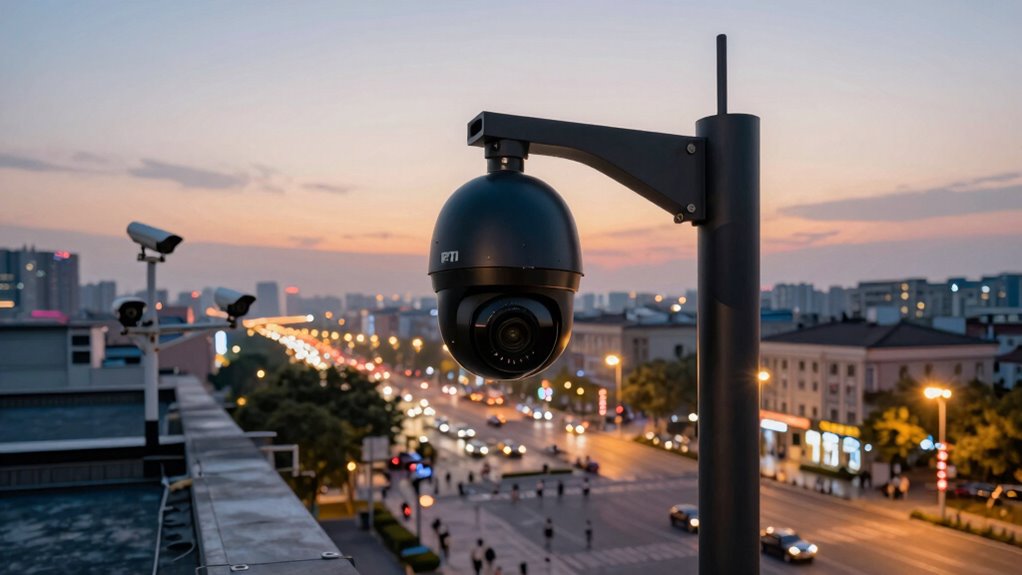
Deciding if a fixed camera is enough for your monitoring needs depends on understanding the specific area and the level of detail you require. Consider how camera placement will cover your key zones without blind spots. Also, assess lighting conditions—if the area has poor or variable lighting, a fixed camera might struggle to deliver clear images. A camera resolution that matches your surveillance needs is essential for capturing the necessary details. Additionally, evaluating the waterproof or weatherproof features of the camera can ensure reliable operation in outdoor environments. To help decide, you should also consider the lighting conditions to determine if supplementary lighting is necessary for optimal footage.
Fixed cameras work well when the environment is straightforward and lighting remains stable.
- Verify the camera’s placement offers a broad view of the area you want to monitor.
- Check if lighting conditions are consistent or if additional lighting is needed.
- Determine if the fixed camera’s resolution captures enough detail for your security needs.
- Evaluate whether the camera’s power supply can support continuous operation, especially in remote or outdoor locations.
If your environment is straightforward and lighting is stable, a fixed camera could be sufficient.
As an affiliate, we earn on qualifying purchases.
Evaluating Your Environment and Budget
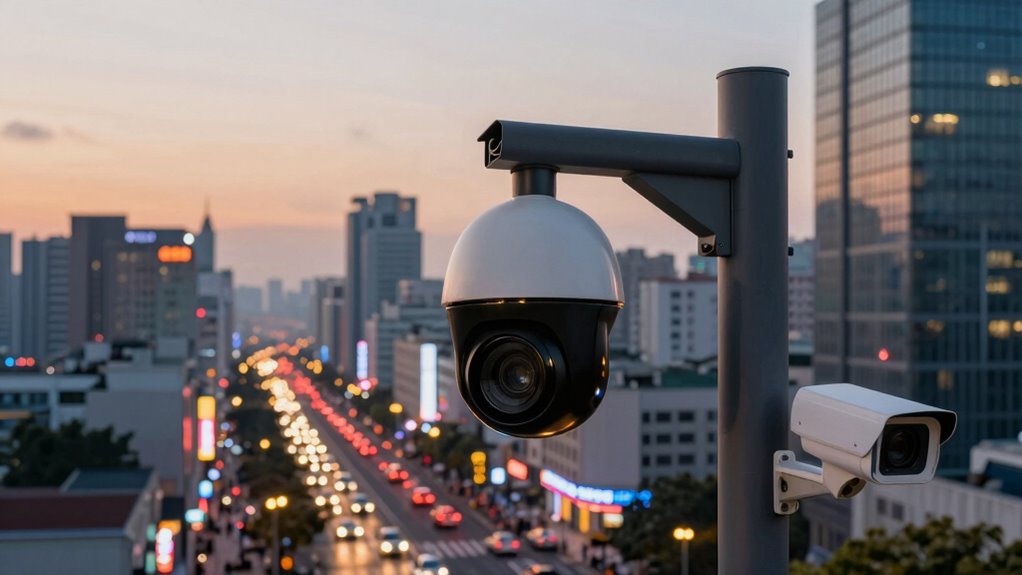
Evaluating your environment and budget is essential before investing in a PTZ or fixed camera. Conduct a thorough cost analysis to understand the total expenses, including equipment, installation, and ongoing maintenance. Consider your environment’s size, lighting, and activity levels, these factors influence camera choice. PTZ cameras often require more complex installation due to their motorized components and control systems, increasing installation complexity and costs. If your space is small or static, a fixed camera might be more cost-effective and simpler to set up. On the other hand, larger or dynamic environments may justify the higher investment in PTZ cameras. Balancing your budget with your surveillance needs ensures you choose a solution that’s both effective and financially sustainable. Additionally, understanding the digital concepts involved can help you select the most adaptable and future-proof system. Recognizing the environmental factors can also guide you toward a camera system that adapts well to your specific setting.
Signs That PTZ Cameras Are Overkill
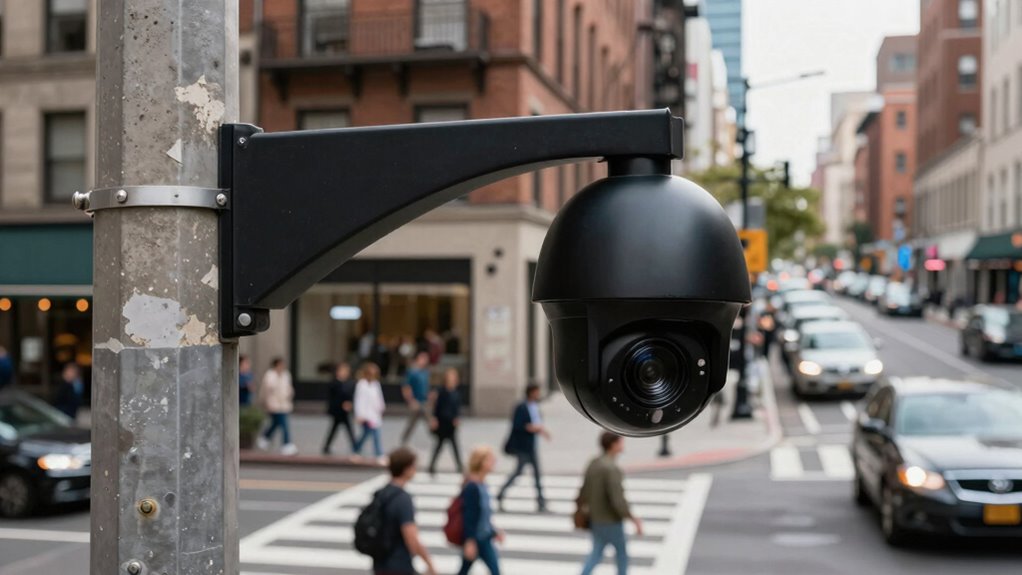
If your surveillance needs are straightforward and your environment isn’t prone to frequent movement or large coverage areas, investing in a PTZ camera might be more than you require. PTZ cameras become overkill when their advanced features aren’t needed.
Consider these signs:
- Your installation demands seamless aesthetics integration, and a bulky PTZ disrupts the design.
- You’re concerned about power consumption, as PTZ cameras typically use more energy than fixed options.
- Your environment doesn’t require frequent pan, tilt, or zoom adjustments, making simpler fixed cameras more practical.
In such cases, a PTZ’s capabilities are unnecessary, and the higher power consumption, along with aesthetic concerns, makes it an overinvestment.
Comparing PTZ and Fixed Cameras: Which Is Right for You?
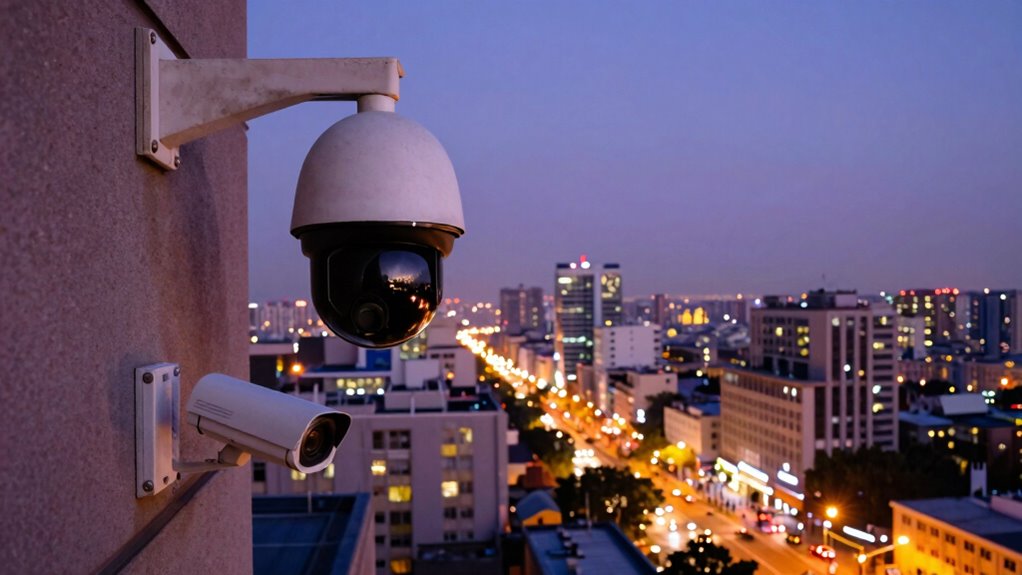
When choosing between PTZ and fixed cameras, understanding your specific surveillance needs can make all the difference. Fixed cameras are ideal if you want consistent coverage with high color accuracy, especially in well-lit environments, and they typically consume less power. They’re simple to install and maintain, making them cost-effective for steady, predictable monitoring. PTZ cameras, on the other hand, excel when you need flexibility—zooming in on details or covering large areas. However, they often have higher power consumption and can struggle with color accuracy during low-light conditions. If your priority is real-time adjustments and detailed viewing, PTZs are worth it. But if you need reliable, low-maintenance surveillance with sharp color reproduction, fixed cameras are usually the better choice.
Frequently Asked Questions
What Are the Maintenance Requirements for PTZ Cameras?
You’ll need to regularly check your PTZ camera’s camera positioning to guarantee it stays aligned and functions properly. Clean the lens selection to prevent dust or smudges from affecting image quality. Periodically update the firmware and inspect the camera’s mechanical parts for wear or damage. These simple maintenance steps help keep your camera operating smoothly, ensuring clear images and reliable control over its movements.
How Do PTZ Cameras Perform in Extreme Weather Conditions?
You’ll find PTZ cameras perform well in extreme weather when equipped with weatherproof features like sealed enclosures and corrosion-resistant materials. These cameras are designed to withstand rain, snow, and dust. Regularly check and calibrate the camera to guarantee peak performance, especially after severe weather events. Proper maintenance and choosing models with high IP ratings help you get reliable surveillance without interruptions, even in harsh conditions.
Can PTZ Cameras Be Integrated With Existing Security Systems?
Yes, PTZ cameras can be integrated with your existing security systems. You’ll enjoy panoramic coverage and remote adjustments, making surveillance more flexible and thorough. These cameras often connect seamlessly via standard protocols, allowing you to control angles, zoom, and focus remotely. Integration enhances your security setup by providing real-time monitoring and easy management, ensuring you get the most out of your current system while expanding its capabilities effortlessly.
What Are the Typical Lifespan and Durability of PTZ Cameras?
You can expect a PTZ camera to last around 5 to 10 years with proper maintenance. Durability depends on factors like camera calibration, which guarantees peak performance, and power consumption, as high power use can affect longevity. Regular calibration helps keep the camera functioning well, while managing power consumption prevents overheating and extends lifespan. Investing in quality units and routine upkeep maximizes your camera’s durability over time.
Are There Any Privacy Concerns Associated With PTZ Cameras?
Yes, PTZ cameras raise privacy concerns because their remote control and wide coverage can lead to unintended surveillance. You should be mindful of privacy implications, especially in sensitive areas. Ensuring data security is essential; you need to use strong encryption and access controls to protect recorded footage from unauthorized access. Regularly updating firmware and being transparent about surveillance practices can also help address privacy worries.
Conclusion
Deciding whether a PTZ camera is worth it depends on your specific needs and environment. If you need flexible, wide coverage and remote control, a PTZ might be your best bet. But if your space is simple and budget-conscious, a fixed camera could do the trick. Are you overcomplicating your setup by choosing a PTZ when a simpler option could suffice? Sometimes, simplicity really is the smarter choice.
Fall Picks
fall essentials
As an affiliate, we earn on qualifying purchases.