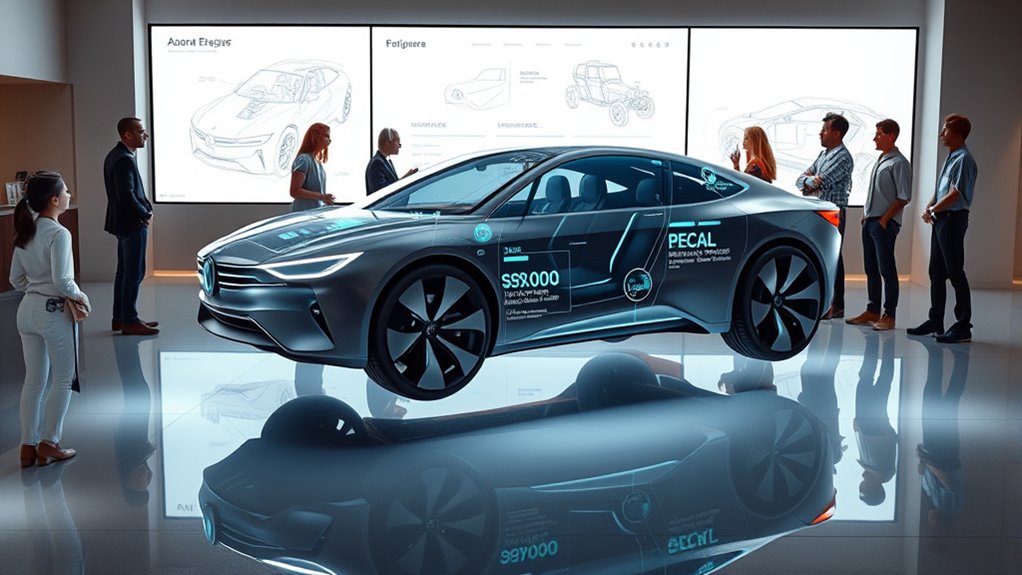

Design thinking is transforming automotive design by focusing on your needs and creating innovative solutions that change how you own and experience cars. It emphasizes user-centered features like intuitive controls, seamless interfaces, and personalized experiences, especially with autonomous vehicles. This approach aims to make driving safer, more accessible, and stress-free—allowing you to relax or multitask during travel. If you’re curious about how this mindset shapes the future of car ownership, explore further to uncover more insights.

Get monitors, keyboards and dev gear delivered free — and shop member deals
- Fast, free delivery on millions of items
- Access to Prime Big Deal Days deals on October 6–7
- Prime Video, Amazon Music and more included
Key Takeaways
- Design thinking prioritizes user needs, leading to innovative, customer-centric vehicle features and experiences.
- It drives the development of autonomous vehicles that feel intuitive, trustworthy, and safe for users.
- User experience design simplifies interfaces with voice, touch, and AR technology, enhancing driver and passenger interaction.
- Interface innovations replace complex controls, anticipating user habits to improve comfort and confidence.
- Overall, design thinking reshapes car ownership by making vehicles more accessible, engaging, and aligned with user expectations.
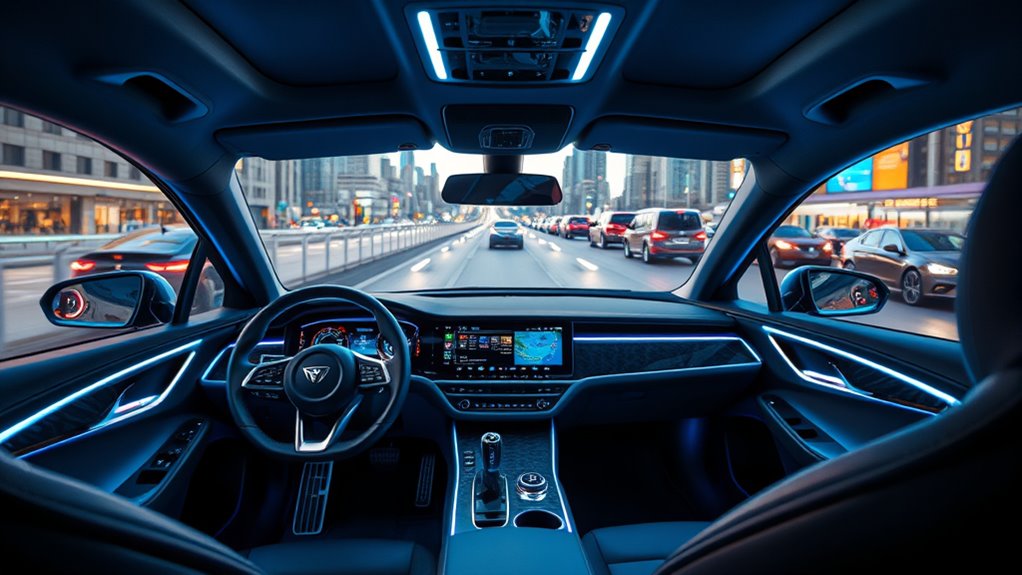
Design thinking is transforming the automotive industry by putting customer needs and innovative problem-solving at the forefront. As you explore this evolving landscape, you’ll see how companies focus on creating vehicles that not only meet functional requirements but also deliver exceptional experiences. One of the most exciting developments driven by design thinking is the rise of autonomous vehicles. These cars aren’t just about cutting-edge technology; they’re about reshaping how you perceive mobility. By deeply understanding your daily routines, preferences, and safety concerns, automakers design autonomous systems that feel intuitive and trustworthy. They aim to eliminate the stress of driving, allowing you to relax or focus on other tasks while the vehicle handles the road. This shift is driven by a commitment to user-centric design, ensuring that autonomous vehicles are accessible, safe, and aligned with your expectations.
User experience design plays a pivotal role in this transformation. It’s not enough to develop advanced features; you need interfaces that are simple, engaging, and responsive. When automakers adopt a design thinking approach, they prioritize your interaction with the vehicle’s technology—making sure controls, displays, and communication systems are seamless. Instead of complex menus or confusing dashboards, you get intuitive interfaces that anticipate your needs and adapt to your habits. Whether it’s voice commands, touchscreens, or augmented reality displays, every element is crafted to enhance your comfort and confidence. This user-focused approach ensures that as vehicles become more automated, the experience remains natural and enjoyable.
autonomous vehicle user interface
As an affiliate, we earn on qualifying purchases.
As an affiliate, we earn on qualifying purchases.
Frequently Asked Questions
How Does Design Thinking Influence Vehicle Safety Features?
Design thinking directly influences vehicle safety features by prioritizing ergonomic comfort and aesthetic appeal, ensuring features are user-friendly and visually appealing. You’ll find that safety controls are intuitively placed, making them easier to access during emergencies. This approach also fosters innovative solutions that enhance safety without compromising comfort or style, allowing you to feel secure while enjoying a sleek, attractive vehicle that’s tailored to your needs.
What Role Does User Feedback Play in Car Design Innovation?
You might think user feedback isn’t essential, but it actually drives innovation by revealing what truly matters. When you share your thoughts on ergonomic comfort and aesthetic appeal, manufacturers can refine designs to better meet your needs. This ongoing dialogue ensures cars become more comfortable and visually appealing, creating a seamless blend of form and function. Your insights directly shape the future of car design, making each model more personalized and enjoyable.
How Are Sustainability Concerns Integrated Into Automotive Design Thinking?
You integrate sustainability concerns into automotive design thinking by prioritizing eco-friendly materials and renewable energy sources. You select sustainable materials like recycled plastics and natural fibers to reduce environmental impact. Additionally, you incorporate renewable energy options such as solar panels and electric powertrains to enhance efficiency. This approach guarantees your designs are environmentally responsible, meeting consumer expectations and regulatory standards while driving innovation toward a greener future.
What Challenges Do Automakers Face When Adopting Design Thinking?
Confronting constraints, automakers often struggle with balancing bold innovation and budget boundaries. You face the challenge of cultivating customer empathy, ensuring designs truly meet user needs. Prototype testing demands patience and persistence, as it can reveal flaws and require redesigns. Steering organizational inertia and integrating customer insights into rapid iterations are tough but essential. Embracing these hurdles ultimately helps you craft more customer-centric, innovative vehicles that resonate with tomorrow’s drivers.
How Will Autonomous Vehicles Reshape Consumer Expectations?
Autonomous vehicles will drastically reshape your expectations by prioritizing personalization trends and connectivity enhancements. You’ll expect seamless integration with your digital life, personalized interfaces, and adaptive features that cater to your preferences. Connectivity will keep you constantly linked, offering real-time updates and tailored experiences. This shift means you’ll look for smarter, more intuitive vehicles that enhance convenience, safety, and comfort, fundamentally changing how you perceive and engage with car ownership.
As an affiliate, we earn on qualifying purchases.
Conclusion
As you embrace design thinking, remember that innovation often starts with understanding your users. By putting their needs at the forefront, you can shape the future of car ownership that’s smarter, more personalized, and truly revolutionary. As the saying goes, “The more things change, the more they stay the same.” Keep pushing boundaries, stay empathetic, and you’ll drive automotive evolution forward—because the future belongs to those who dare to think differently.
As an affiliate, we earn on qualifying purchases.
ergonomic safety controls for cars
As an affiliate, we earn on qualifying purchases.
As an affiliate, we earn on qualifying purchases.
Halloween Picks
halloween
As an affiliate, we earn on qualifying purchases.