

If a workshop’s objectives start falling apart, quickly refocus by breaking down goals into manageable tasks to regain clarity and momentum. Embrace flexibility, be willing to shift activities or topics that aren’t resonating, and adapt your approach to suit the team’s needs. Encourage participation through small group discussions and outdoor elements to energize the group. Keep an eye on team interactions and intervene if disconnection occurs. Continue exploring these strategies to turn things around effectively.

Get business pricing on monitors, keyboards and dev gear
- Business-only prices and quantity discounts
- Tax-exempt purchasing
- Multiple users, one account, clear invoices
Key Takeaways
- Reassess and clarify the workshop goals to realign focus and set achievable, immediate objectives.
- Introduce flexible activities or topics to reignite engagement and accommodate participant interests.
- Break down complex tasks into smaller, manageable steps to restore momentum and confidence.
- Foster open communication, encouraging participants to share concerns and suggestions for course correction.
- Utilize outdoor or informal settings to refresh energy and stimulate new perspectives on the objectives.
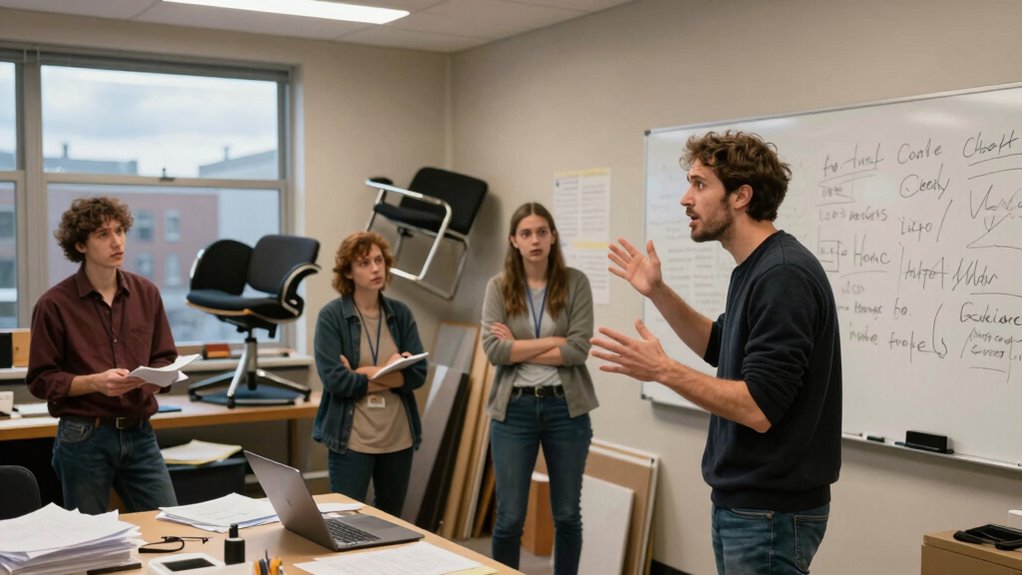
Next, consider breaking the larger goal into smaller, more manageable tasks. This makes progress feel tangible and reduces overwhelm. When people see that their work contributes directly to the overall objective, motivation increases, and team engagement improves. If you notice certain topics or activities aren’t resonating, don’t be afraid to pivot. Flexibility is key. Shift gears to activities that promote participation, such as small group discussions or quick brainstorming sessions, which foster collaboration and make everyone feel involved. During these activities, keep an eye on how the team interacts—are they listening to each other? Are ideas flowing freely? If not, intervene with prompts that encourage openness and respect. Incorporating outdoor elements like seating areas or informal discussions can also rejuvenate engagement and stimulate fresh perspectives.
Popular right now

KitchenAid Artisan Series 5-Quart Tilt-Head Stand Mixer, Dried Rose (KSM150PS)

De'Longhi Magnifica Evo Automatic Espresso Machine with Milk Frother – Silver

Shark Navigator Robot Vacuum with 30-Day Self-Emptying Base, White (AV2110S)
As an affiliate, we earn on qualifying purchases.
Frequently Asked Questions
How Can I Prevent Workshop Objectives From Derailing Initially?
To prevent workshop objectives from derailing, focus on thorough workshop planning and clear goal alignment beforehand. You should define specific, measurable objectives and communicate them to all participants. During the session, regularly check in to guarantee everyone stays aligned with the goals. Keep flexibility built into your plan to adapt if needed, but always steer discussions back to the core objectives, maintaining focus and momentum throughout the workshop.
What Are Early Signs That a Workshop Is Going off Track?
You’ll notice early signs that your workshop is going off track through shifts in group dynamics, like decreased participation or side conversations. Engagement strategies may falter, with attendees looking distracted or disengaged. If you see silence replacing lively discussions or a lack of enthusiasm, it’s a red flag. Address these signs quickly by re-engaging the group, adjusting activities, or asking targeted questions to restore focus and momentum.
Should I Adjust the Original Workshop Goal Mid-Session?
Think of your workshop goal as a ship steering through changing seas. When things start to veer off course, you should embrace goal flexibility and adapt the session as needed. Adjusting the original goal mid-session isn’t giving up; it’s steering with the winds. Stay attentive to participant needs, and use session adaptation as your compass to keep the journey meaningful and on course.
How Do I Handle Resistant Participants Disrupting the Plan?
When faced with resistant participants disrupting the plan, focus on re-engaging them through participant engagement strategies. Address their concerns calmly and openly, demonstrating respect and understanding. Use conflict resolution techniques to defuse tension and redirect their energy positively. By actively listening and involving them in discussions, you can foster a collaborative environment, reduce resistance, and keep the workshop on track. Stay adaptable and maintain a respectful tone throughout.
What Tools Can Help Keep Workshop Objectives on Course?
Imagine you’re leading a workshop on innovative marketing strategies. Using creative facilitation tools like visual aids and interactive activities helps maintain engagement and goal alignment. Keep a clear agenda and use real-time feedback to steer discussions back on track. These tools help you stay focused, monitor progress, and guarantee the objectives stay on course, even when participants challenge or diverge from the plan.
Conclusion
When your workshop objectives start unraveling like a poorly sewn tapestry, don’t panic. Take a deep breath, reassess your goals, and pivot swiftly. Remember, your flexibility can turn chaos into clarity faster than lightning strikes the sky. Keep your focus sharp, communicate openly, and adapt on the fly. With resilience and quick thinking, you can steer the session back on track—transforming potential disaster into a triumph that echoes in everyone’s minds for ages.