
TL;DR

Get business pricing on monitors, keyboards and dev gear
- Business-only prices and quantity discounts
- Tax-exempt purchasing
- Multiple users, one account, clear invoices
A pilot program is testing daily postpartum check-ins for first-time mothers discharged early from hospital. The initiative aims to improve early recovery support and identify warning signs promptly, potentially transforming postpartum care.
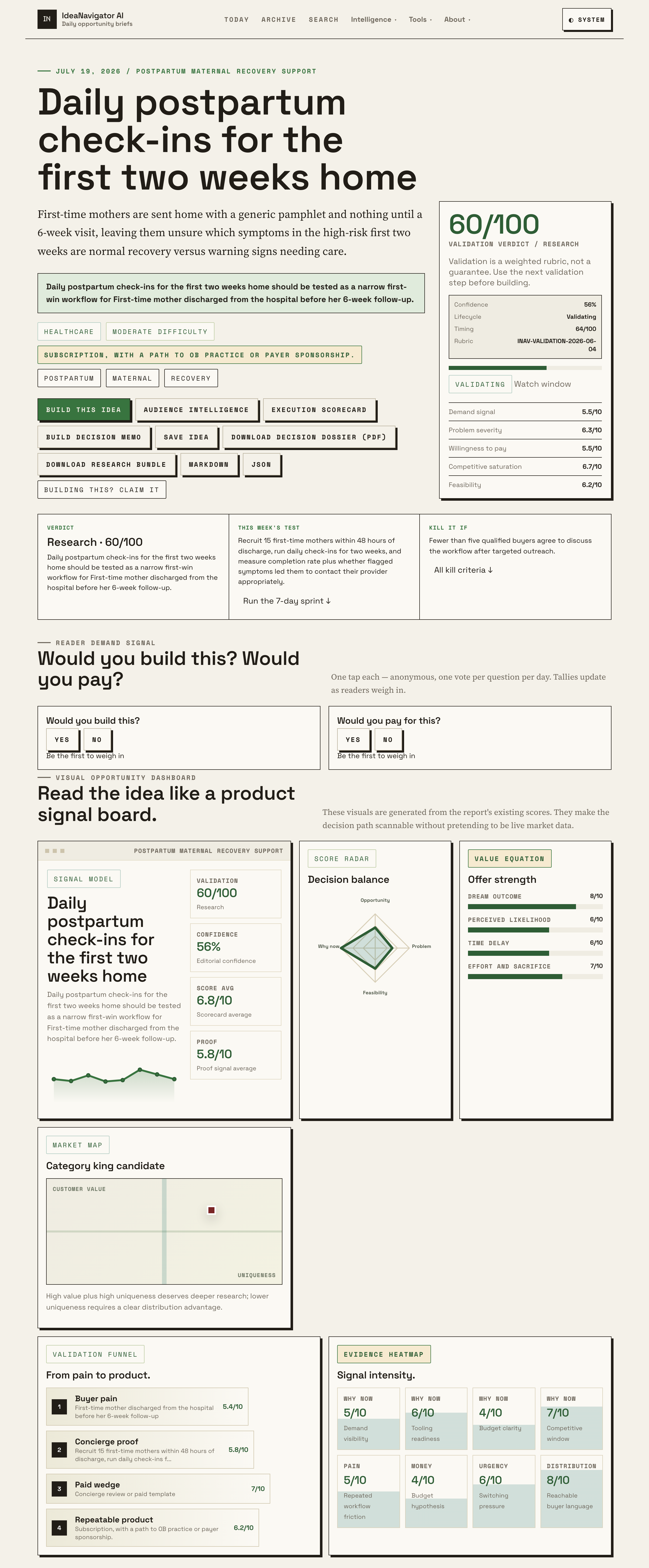
A pilot program is currently testing daily postpartum check-ins for first-time mothers at home, aiming to improve early recovery support and identify warning signs promptly. This initiative targets women discharged before their six-week follow-up, addressing gaps in postpartum care that have been linked to adverse outcomes.
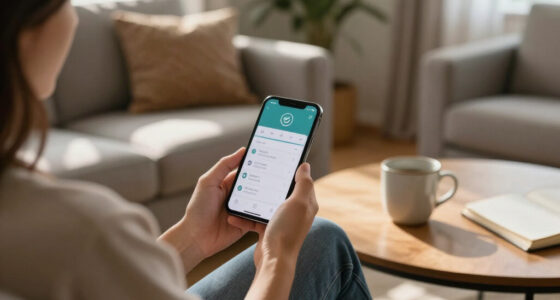
The program involves recruiting 15 first-time mothers within 48 hours of hospital discharge to participate in a two-week series of daily check-ins delivered via a smartphone app. These check-ins are designed to collect recovery data, monitor mental health, and provide tailored guidance based on individual recovery profiles. The goal is to surface symptoms that may require medical attention and encourage timely contact with healthcare providers.
According to organizers, the approach builds a personalized recovery profile from initial delivery details and mental health baseline, enabling targeted interventions. The program is being tested as a first step toward a broader model that could be adopted by OB practices or supported through payer sponsorship, with a focus on reducing postpartum complications and readmissions.
Initial metrics will include participation rates, symptom flagging accuracy, and whether flagged symptoms prompted appropriate provider contact. The pilot aims to assess feasibility, engagement, and potential impact on postpartum health outcomes.
Potential Impact on Postpartum Care Standards
This initiative could significantly improve postpartum recovery by providing first-time mothers with daily, personalized support during the critical first two weeks after discharge. It addresses a well-documented gap in care, where women often receive minimal guidance until their six-week follow-up, which may be too late for certain complications. If successful, the program could lead to widespread adoption of daily remote check-ins, reducing hospital readmissions, enhancing mental health support, and empowering mothers with timely information.
postpartum recovery monitoring kit
As an affiliate, we earn on qualifying purchases.
As an affiliate, we earn on qualifying purchases.
Addressing the Postpartum Care Gap
Current postpartum care practices typically involve a single follow-up visit around six weeks after delivery, leaving a high-risk period of the first two weeks largely unmonitored. Maternal health campaigns and research highlight that many postpartum complications, such as infections, bleeding, or mental health issues, often emerge during this window. Existing protocols rely heavily on mothers recognizing symptoms and seeking help, which can delay intervention. The use of smartphone technology for daily check-ins builds on recent trends toward remote monitoring and personalized digital health support, especially as hospitals seek to reduce readmissions and improve outcomes.
This pilot is part of a broader effort to modernize postpartum care, leveraging digital tools to fill the critical monitoring gap early in recovery.
“Daily check-ins could transform postpartum support by catching warning signs early and reducing complications.”
— an anonymous researcher
digital postpartum health check device
As an affiliate, we earn on qualifying purchases.
As an affiliate, we earn on qualifying purchases.
Uncertainties About Pilot Outcomes and Scalability
It is not yet clear how effectively the daily check-ins will engage first-time mothers or whether flagged symptoms will consistently lead to appropriate medical contact. The pilot’s small sample size limits initial conclusions, and broader scalability or integration into existing healthcare systems remains untested at this stage. Additionally, the long-term impact on health outcomes and cost-effectiveness has yet to be determined.
mother and baby health tracker app
As an affiliate, we earn on qualifying purchases.
As an affiliate, we earn on qualifying purchases.
Next Steps for Pilot Evaluation and Expansion
The pilot will run over the next two weeks, with researchers monitoring participation, symptom flagging accuracy, and subsequent healthcare actions. Results will inform whether to expand the program, refine the check-in algorithm, or explore integration with electronic health records. A larger trial or pilot in diverse populations may follow if initial outcomes are promising.
As an affiliate, we earn on qualifying purchases.
Key Questions
How are the daily check-ins delivered to mothers?
The check-ins are delivered through a smartphone app that prompts mothers daily with tailored questions based on their recovery profile.
What symptoms are monitored during the check-ins?
The check-ins focus on common postpartum issues such as pain, bleeding, signs of infection, mental health status, and breastfeeding difficulties.
Could this approach replace in-person postpartum visits?
Currently, it is designed as a supplement to in-person care, especially during the high-risk first two weeks, but not as a replacement.
Will this program be available to all new mothers?
The pilot is limited to a small sample for initial testing; broader availability will depend on pilot outcomes and healthcare system integration.
How is privacy protected in this digital check-in system?
The program follows standard data security protocols, with encrypted data transmission and strict access controls to protect patient privacy.
Source: IdeaNavigator AI
Fall Picks
fall essentials
As an affiliate, we earn on qualifying purchases.