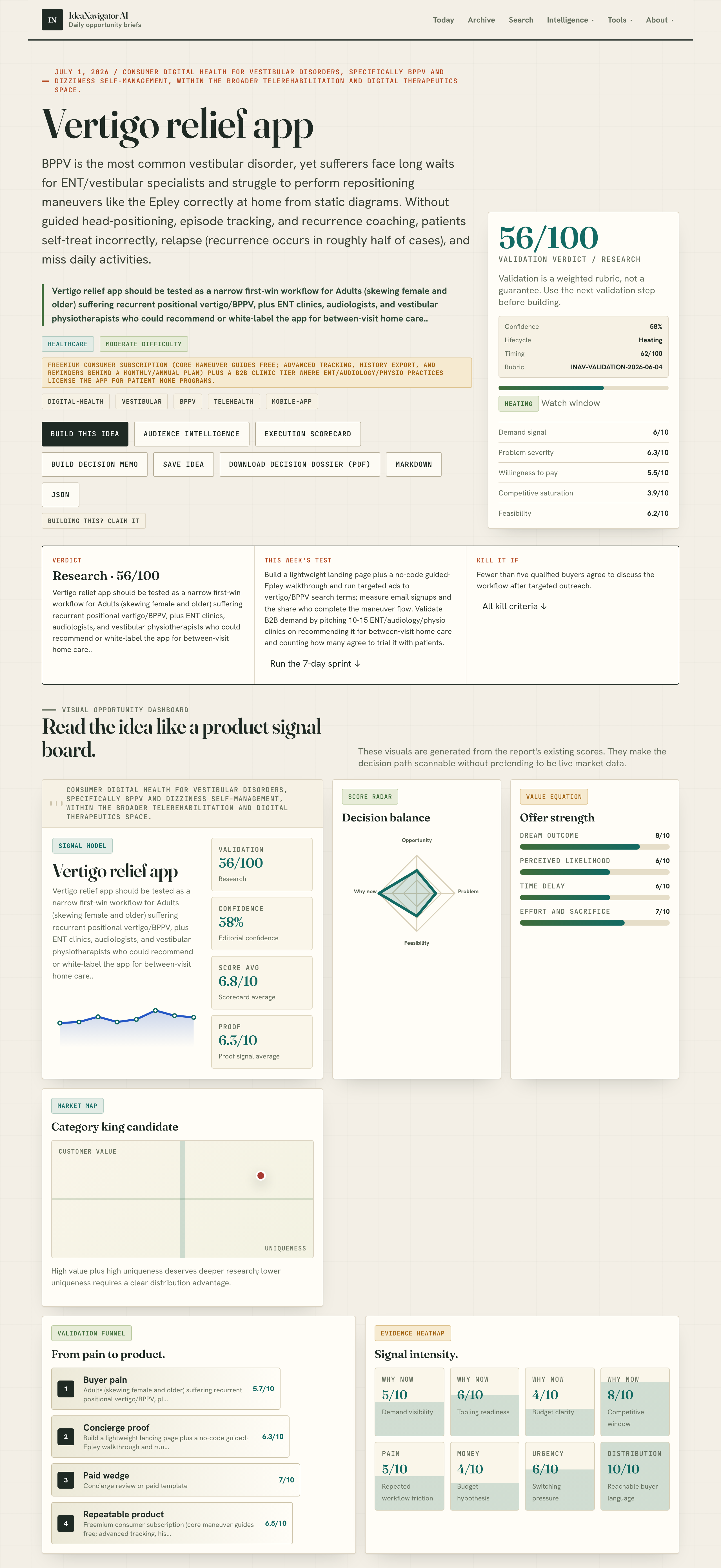
📊 Full opportunity report: Vertigo relief app on IdeaNavigator AI — validation score, market gap, and execution plan.

Get business pricing on monitors, keyboards and dev gear
- Business-only prices and quantity discounts
- Tax-exempt purchasing
- Multiple users, one account, clear invoices
TL;DR
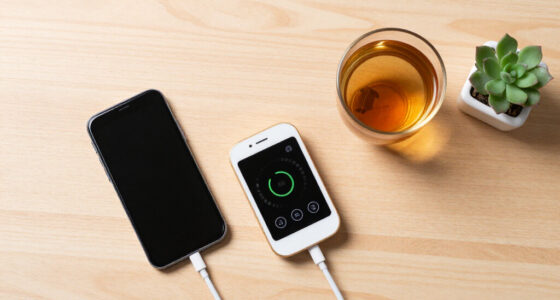
A new mobile app designed for adults with recurrent BPPV offers guided repositioning maneuvers using motion sensors. It aims to improve self-treatment accuracy and reduce relapse. The app is being tested for potential integration into clinical care.
A new vertigo relief app is being developed to assist adults suffering from recurrent benign paroxysmal positional vertigo (BPPV) in self-managing their condition. The app uses smartphone gyroscope sensors to guide users through repositioning maneuvers like the Epley, with real-time feedback and episode tracking. This development aims to address the long waits for specialist care and improve self-treatment accuracy, potentially reducing relapse rates and improving daily activity participation.
The app is designed for iOS and Android platforms and will include features such as screening for BPPV candidacy through a brief safety survey, animated step-by-step guidance for maneuvers, and audio cues synchronized with gyroscope-based head-angle feedback. Users will also be able to log dizziness episodes, triggers, and symptom severity over time. The app will carry a clear disclaimer stating it is not a substitute for medical advice and will prompt users to consult a healthcare professional if red-flag symptoms occur.
Developers plan to validate the app by creating a landing page and a no-code guided Epley maneuver walkthrough, measuring email signups and completion rates of the maneuver flow. B2B validation involves pitching ENT clinics, audiologists, and vestibular physiotherapists to recommend the app for patient home care, with the goal of securing trial partnerships. The digital therapeutics market for vestibular disorders is estimated near USD 498 million in 2024, with growth driven by increased telehealth adoption and reimbursement maturation.
Potential Impact on BPPV Self-Treatment and Clinical Practice
This app could significantly improve self-treatment accuracy for BPPV, reducing relapse rates and decreasing reliance on long wait times for specialist care. For clinics and therapists, it offers a scalable tool to support home-based vestibular rehabilitation and enhance patient engagement. As digital therapeutics gain acceptance and reimbursement models evolve, such tools may become standard components of vestibular disorder management, broadening access to effective care and reducing healthcare costs.
As an affiliate, we earn on qualifying purchases.
Growing Need for Accessible Vestibular Disorder Management Tools
Benign paroxysmal positional vertigo (BPPV) is the most common vestibular disorder, often causing brief episodes of dizziness triggered by head movements. Despite the availability of effective repositioning maneuvers like the Epley, many patients struggle to perform them correctly at home, leading to frequent relapses. Traditionally, treatment requires visits to ENT or vestibular specialists, with wait times that can extend weeks or months. The COVID-19 pandemic accelerated the shift toward telehealth and home-based care, creating a demand for digital solutions. Smartphone sensors now enable real-time motion tracking, making app-based guided therapies feasible. The digital vestibular rehabilitation market was valued at approximately USD 498 million in 2024 and is projected to grow at around 13.5% annually through 2033, reflecting increasing acceptance among providers and payers.
“Using smartphone gyroscopes to guide self-treatment could transform how BPPV is managed outside clinics.”
— an anonymous researcher
As an affiliate, we earn on qualifying purchases.
Uncertainties About App Effectiveness and Adoption
It is not yet confirmed how effective the app will be in improving self-treatment outcomes or reducing relapse rates in real-world settings. The acceptance and adoption by clinics and patients remain under evaluation, with ongoing validation efforts needed to establish clinical efficacy and integration pathways. Details about regulatory approval and reimbursement strategies are still emerging.
As an affiliate, we earn on qualifying purchases.
Next Steps for Validation and Market Entry
Developers plan to launch a landing page and conduct targeted ad campaigns to measure user engagement and maneuver completion rates. Simultaneously, they will pitch ENT clinics, audiologists, and physiotherapists to trial the app as a home care supplement. Pending positive validation, a phased rollout to consumers and clinical partners is expected within the next 12-18 months, with further research to assess long-term benefits and integration into standard care pathways.
As an affiliate, we earn on qualifying purchases.
Key Questions
How does the vertigo relief app guide users through maneuvers?
The app provides animated step-by-step instructions accompanied by audio cues, with real-time head-angle feedback from the smartphone’s gyroscope to ensure correct positioning during maneuvers like the Epley.
Is the app suitable for all BPPV patients?
The app includes a screening safety survey to identify suitable candidates. It is intended primarily for adults with recurrent BPPV, and users are advised to consult a healthcare professional before use.
Will healthcare providers recommend this app?
Clinics and therapists are being approached to pilot the app as part of their patient home care programs, with the potential for white-labeling and integration into existing treatment protocols.
What are the main benefits of using this app?
It aims to improve self-treatment accuracy, reduce relapse, decrease wait times for specialist care, and support ongoing symptom tracking for better management.
When will the app be available to the public?
A full commercial release is not yet confirmed; developers plan to validate and pilot the app over the next 12-18 months before broader rollout.
Source: IdeaNavigator AI
Fall Picks
fall essentials
As an affiliate, we earn on qualifying purchases.