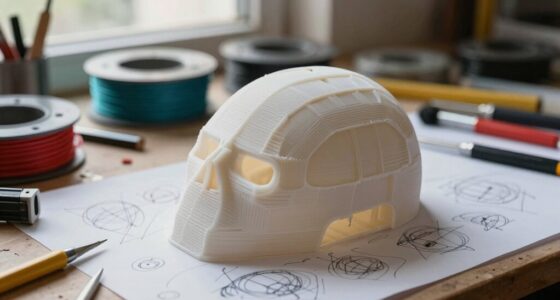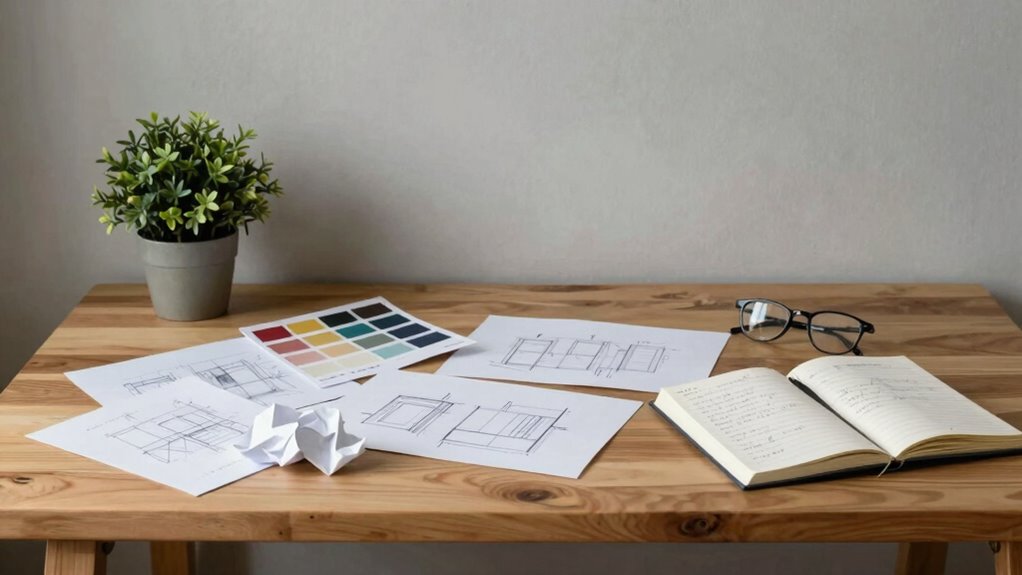

Designing with humility is harder than it sounds because it requires you to set aside your ego, admit what you don’t know, and stay open to honest feedback. It’s uncomfortable to rework ideas or abandon favorites, but embracing vulnerability leads to better understanding and more meaningful solutions. Staying humble demands ongoing effort and a willingness to learn from users, making the process more challenging but ultimately more rewarding. If you want to explore how to master this approach, keep going.
Key Takeaways
- Embracing humility requires vulnerability and the willingness to admit knowledge gaps, which can be uncomfortable.
- Reworking or discarding favored ideas based on feedback challenges personal attachment and ego.
- Maintaining an open, learning mindset demands ongoing effort and self-awareness.
- Incorporating diverse perspectives to ensure inclusivity can complicate the design process.
- Balancing humility with confidence to make decisions without over-relying on limited understanding is complex.
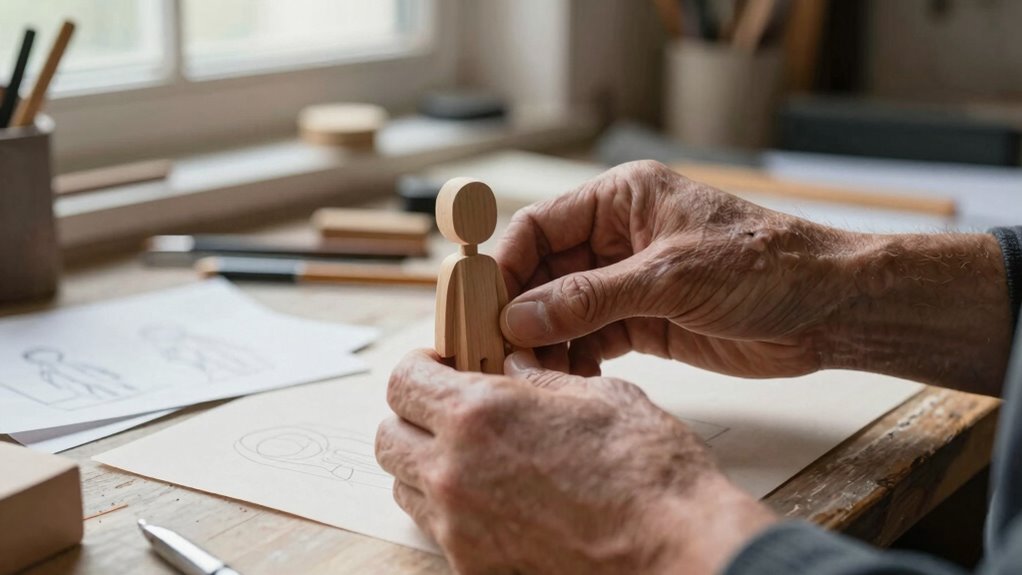
Have you ever considered how humility can shape better design? It’s a subtle quality that often gets overlooked in the rush to innovate or impress. Yet, humility is essential for creating solutions that truly meet user needs. When you approach design with humility, you recognize that you’re not the expert of your users’ experiences—rather, your job is to serve their needs as accurately as possible. This mindset encourages you to prioritize a user-centered approach, where understanding your users’ perspectives becomes the foundation of your work. Instead of assuming you already know what’s best, you remain open to learning from your users. This openness fuels an iterative feedback loop, where each round of input refines your design and brings it closer to what users actually want and need.
Humility in design fosters a user-focused approach, embracing feedback for continuous improvement and genuine solutions.
Designing with humility isn’t about lowering standards; it’s about acknowledging that your initial assumptions might be incomplete or even wrong. That’s why iterative feedback becomes your most powerful tool. By actively seeking input from real users at different stages, you gain insights that challenge your ideas and reveal gaps you might not have seen. It’s uncomfortable sometimes—you might have to scrap your favorite features or rework entire concepts—but that’s part of the process. Humility keeps you grounded and prevents you from becoming overly attached to your initial vision. Instead, it encourages continuous improvement driven by actual user experiences. Recognizing the importance of content formats in digital content can help you adapt your approach to better serve diverse audiences. Additionally, understanding core concepts such as contrast ratio helps you create visuals that are more engaging and accessible to a wider range of users. Incorporating best practices from related fields like design and user experience can further enhance your ability to create empathetic and effective solutions. Embracing diverse feedback is crucial, as it broadens your perspective and ensures your designs are inclusive and relevant.
Furthermore, cultivating empathy for your users can deepen your understanding and improve your design process, making humility an even more vital component. You might find it harder to embrace this mindset because it demands vulnerability. It requires you to admit when you don’t have all the answers and to listen genuinely to criticism or suggestions. But this vulnerability is the essence of humility, and it leads to designs that are more empathetic and effective. When you accept that your understanding is limited and actively seek diverse feedback, you make space for innovation rooted in real-world needs. Over time, this approach not only results in better products or services but also fosters trust and respect with your users. They see that you value their input and are committed to creating solutions that genuinely serve them.
In the end, designing with humility transforms the process into a collaborative journey rather than a solo mission. It’s harder because it challenges your ego and comfort zone, but it’s also more rewarding. Through user-centered principles and iterative feedback, you craft designs that aren’t just functional—they’re meaningful. And that’s the true power of humility in design.

One Tap Only Review NFC & QR Tap Card Smart Business Card with NFC Tags for Google Review System Feedback Collection Tool NFC Card Works with All Smartphones (Pack of 1)
- Instant Digital Access: Quick tap or scan with smartphones
- Universal Compatibility: Works with all Android and iOS devices
- No Apps or WiFi Needed: Reliable connectivity without extra apps
As an affiliate, we earn on qualifying purchases.
As an affiliate, we earn on qualifying purchases.
Frequently Asked Questions
How Can Humility Improve the Design Process?
Humility improves the design process by fostering user-centered thinking and empathy development. When you stay humble, you’re more open to listening to users’ needs and feedback, which leads to better solutions. It helps you set aside assumptions, truly understand user perspectives, and create designs that genuinely serve them. This openness encourages collaboration, innovation, and continuous improvement, making your designs more effective and meaningful for those who use them.
What Are Common Challenges in Practicing Humility?
They say “pride comes before a fall,” but practicing humility can be tough. You might fall into ego traps, believing your ideas are always right, or risk arrogance that blinds you to others’ insights. The challenge lies in staying open-minded and recognizing that no one has all the answers. Overcoming these hurdles takes conscious effort, yet it’s essential for creating thoughtful, user-centered designs that truly serve everyone.
How Do I Balance Confidence and Humility in Design?
To balance confidence and humility, you need to manage your ego and stay open to feedback. Practice perspective shifting by actively considering others’ viewpoints, which keeps your confidence grounded. Recognize your strengths without arrogance, and be willing to admit when you don’t know everything. This approach helps you stay humble while confidently pursuing innovative solutions, fostering trust and collaboration in your design process.
Can Humility Hinder Innovation in Design?
Humility doesn’t have to block innovation; in fact, it can propel it. When you’re aware of the ego trap and reputation risk, you’re more open to diverse ideas and feedback. This openness fosters creativity rather than stifling it. By balancing humility with confidence, you create a safe space for experimentation, ensuring your design process remains dynamic and innovative, rather than stuck in the limitations of ego or fear of failure.
What Are Practical Ways to Cultivate Humility as a Designer?
To cultivate humility as a designer, you should engage in empathy exercises regularly to understand others’ perspectives deeply. Actively seek feedback loops, inviting critique from peers and users to challenge your assumptions and grow. Stay open-minded, acknowledge your limitations, and prioritize learning over ego. These practices help you stay grounded, foster humility, and ultimately create more thoughtful, user-centered designs.
As an affiliate, we earn on qualifying purchases.
Conclusion
Remember, designing with humility is like sailing a boat with the wind as your guide—you must stay adaptable and open to change. It’s not always easy to acknowledge your limits or admit when you’re wrong, but doing so keeps your work grounded and meaningful. Embrace the journey, knowing that humility acts as your compass through the stormy seas of creation. Keep your eyes on the horizon, and let humility steer your designs toward genuine connection and purpose.
design thinking books for humility
As an affiliate, we earn on qualifying purchases.
As an affiliate, we earn on qualifying purchases.
digital content formatting tools
As an affiliate, we earn on qualifying purchases.
As an affiliate, we earn on qualifying purchases.