

You might not realize it, but a hidden confidence problem often holds your senior team back from reaching full potential. It’s not about lacking skills or experience but about struggling with invisible doubts, biases, and humility that cause hesitation. Overconfidence or underconfidence can lead to delays and missed opportunities. Balancing humility with assertiveness is vital for better decision-making and innovation. Keep exploring to discover how awareness of these blind spots can transform your team dynamics.
Open a free Amazon Business account
Business pricing, bulk buying and tax-exempt orders.
As an affiliate, we earn on qualifying purchases.
Key Takeaways
- Invisible confidence issues stem from leadership humility, causing hesitation and delayed decision-making despite expertise.
- Overconfidence and underconfidence both impair judgment, leading to biases like anchoring and confirmation bias.
- Lack of awareness about unconscious biases influences critical decisions and fosters risk aversion.
- Balancing humility with assertiveness is essential to prevent indecision and foster innovation.
- Recognizing and addressing cognitive biases and behavioral tendencies unlocks team potential and enhances leadership confidence.
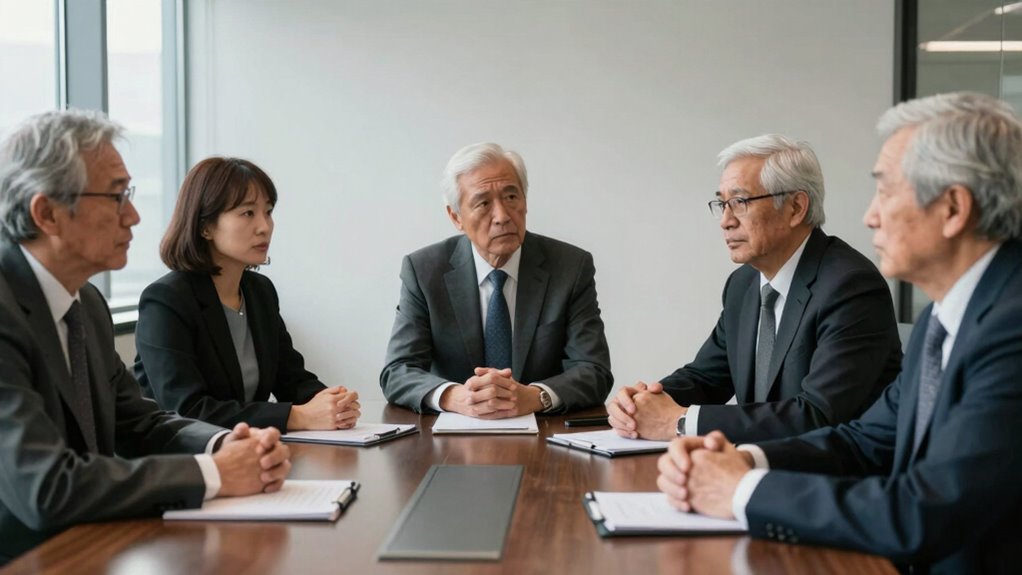
Have you ever wondered why some senior teams struggle to reach their full potential despite their experience and expertise? It’s often not about a lack of skills or knowledge but something deeper—an invisible confidence problem that can quietly undermine even the most seasoned leaders. This issue frequently stems from a combination of leadership humility and decision-making biases. While leadership humility encourages leaders to remain modest and open to input, it can sometimes tip into hesitation if not balanced correctly. When leaders shy away from asserting their authority or question their own judgment too much, it can slow down decision-making processes, create uncertainty within the team, and limit innovation. Conversely, overconfidence can lead to ignoring critical feedback, but underconfidence rooted in humility can produce the opposite effect, causing teams to second-guess themselves or delay important choices.
Decision-making biases often compound this problem. Senior leaders, despite their experience, are still vulnerable to cognitive biases like anchoring, confirmation bias, or overconfidence bias. For example, anchoring bias might cause a leader to cling to initial ideas or past successes, resisting new approaches that could better serve the current situation. Confirmation bias can lead them to favor information that supports their existing beliefs, dismissing alternative perspectives. These biases are subtle but powerful, and they can quietly distort judgment, making even confident leaders hesitant to challenge the status quo. Recognizing the role of decision-making biases and their impact on leadership confidence is crucial for breaking this cycle. Additionally, cognitive biases can influence how leaders interpret information and assess risks, often without their awareness. An understanding of behavioral tendencies can help leaders identify these influences and mitigate their effects. Moreover, the integration of scientific insights into psychology and behavior from fields like behavioral economics can provide valuable tools for understanding and overcoming these biases, leading to more effective decision-making. In addition, a lack of awareness about these biases can lead to unconscious influence on critical decisions, further exacerbating the problem.
As a leader, you might not even realize these dynamics are at play. You could be unconsciously avoiding risks, waiting for absolute certainty before moving forward, which hampers progress and innovation. This hesitation often comes from a fear of making mistakes or damaging your credibility, but ironically, it can damage your team’s confidence more than any mistake ever could. Recognizing the influence of leadership humility and decision-making biases is the first step toward overcoming this hidden confidence problem. When you actively question your assumptions, seek diverse input, and accept that imperfection is part of leadership, you can foster a culture of trust and agility. This not only boosts your confidence but also encourages your team to take ownership and contribute their best ideas, unlocking the full potential of your senior team.
leadership decision-making training courses
As an affiliate, we earn on qualifying purchases.
As an affiliate, we earn on qualifying purchases.
Frequently Asked Questions
How Does Hidden Confidence Affect Decision-Making in Senior Teams?
Hidden confidence can lead you to underestimate risks and overestimate your team’s abilities, impacting decision-making. Overconfidence bias makes you believe you’re more accurate than you are, while a lack of leadership humility prevents you from seeking diverse opinions. This combination can cause poor choices and hinder innovation. Recognizing these biases helps you stay open, question assumptions, and foster a more balanced, effective decision-making process within your senior team.
What Are Signs of Hidden Confidence Issues Among Senior Leaders?
You might notice leadership humility issues, such as leaders avoiding vulnerability or dismissing feedback. Emotional awareness could be lacking if team members seem disengaged or if conflicts escalate without resolution. Leaders with hidden confidence problems often hesitate to admit mistakes, shy away from difficult conversations, or dominate discussions, masking their uncertainties. Recognizing these signs helps you address underlying confidence issues and foster a more open, authentic leadership environment.
Can Hidden Confidence Problems Be Completely Eliminated?
Hidden confidence problems can’t be completely eliminated, but you can substantially reduce them through self-awareness exercises and leadership coaching. By regularly reflecting on your strengths and weaknesses, you become more aware of confidence gaps. Leadership coaching helps you develop practical strategies to build genuine confidence and foster open communication. While perfection isn’t possible, consistent effort in these areas enables you to lead more effectively and address hidden confidence issues proactively.
How Does Organizational Culture Influence Hidden Confidence?
They say, “What you don’t see, can hurt you,” and organizational culture greatly influences hidden confidence. When transparency is lacking, team members may hide insecurities, fearing judgment. Leadership humility fosters openness, encouraging honest communication and reducing hidden doubts. You can’t build trust without honesty; a culture valuing transparency and humility helps uncover hidden confidence issues, empowering senior teams to grow stronger and more resilient.
What Are Effective Strategies to Uncover Hidden Confidence in Teams?
You can uncover hidden confidence in teams by fostering open communication and encouraging vulnerability. Build team trust by creating safe spaces where members feel comfortable sharing doubts. Practice leadership humility by admitting your own limitations and valuing input from others. Regular check-ins and anonymous feedback tools can reveal unspoken concerns, helping you identify and address hidden confidence issues early on, ultimately strengthening your team’s cohesion and performance.
team confidence assessment tools
As an affiliate, we earn on qualifying purchases.
As an affiliate, we earn on qualifying purchases.
Conclusion
If you ignore the hidden confidence problem in your senior team, you risk flying blind. Recognizing and addressing these unseen doubts can be a game-changer, allowing your team to operate at its full potential. Remember, sometimes the loudest voice isn’t the most confident, and the strongest leaders know when to listen and reflect. Don’t let hidden insecurities hold you back—confront them head-on, or you might find yourself chasing shadows instead of clear success.
cognitive bias training for leaders
As an affiliate, we earn on qualifying purchases.
As an affiliate, we earn on qualifying purchases.
behavioral economics books for managers
As an affiliate, we earn on qualifying purchases.
As an affiliate, we earn on qualifying purchases.
Flea & tick season Picks
flea and tick prevention
As an affiliate, we earn on qualifying purchases.