
Disposable prototypes are powerful tools that let you test ideas quickly and cheaply, fostering innovation without heavy resource investment. By creating throwaway models, you can gather valuable user feedback, explore multiple options, and refine your design early in the process. This approach keeps development flexible and encourages experimentation. Embracing this art helps you make smarter decisions faster and improves your chances of success—if you stay curious, you’ll uncover even more benefits ahead.
Key Takeaways
- Disposable prototypes enable rapid testing and iteration, reducing time and resource investment in early product development.
- They facilitate quick exploration of ideas, allowing teams to validate assumptions and refine concepts efficiently.
- Using low-cost materials or digital mockups makes testing more affordable and accessible.
- Throwaway models promote a culture of experimentation, encouraging innovation without fear of significant losses.
- They support continuous learning by providing immediate user feedback to inform future design decisions.

Disposable prototypes have become a popular tool for quickly testing ideas and gathering feedback without committing extensive resources. When you’re working on a new product or feature, time is often of the essence. You need to see what works and what doesn’t, fast. Disposable prototypes enable you to do just that by allowing rapid iteration. Instead of pouring significant money and effort into a fully polished model, you can create a simple, throwaway version to explore concepts and validate assumptions swiftly. This approach keeps your process flexible, so you can learn early and adapt without the burden of sunk costs.
Disposable prototypes enable rapid testing and feedback without heavy resource investment.
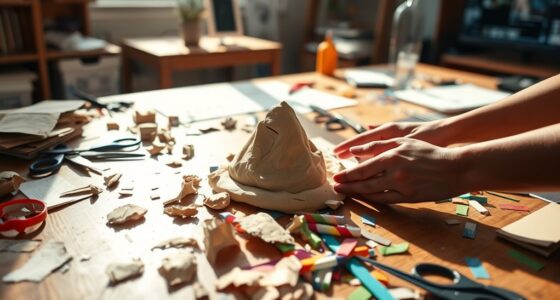
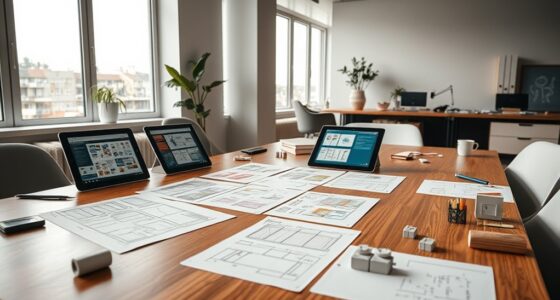
Using disposable prototypes for cost-effective testing is a game-changer. You don’t need expensive tools or lengthy development cycles to get a tangible version of your idea. Instead, you leverage low-cost materials, quick digital mockups, or simple physical models. This way, you can gather valuable user feedback and spot potential flaws without risking a lot of money or time. Cost-effective testing means you’re not only saving resources but also reducing the pressure to perfect every detail upfront. Instead, you focus on core functionalities and user experience, iterating rapidly based on real-world input.
The beauty of disposable prototypes lies in their speed. You can go from concept to a testable model in a matter of hours or days, not weeks or months. This rapid turnaround accelerates your development cycle, enabling you to explore multiple ideas or variations quickly. If one approach doesn’t resonate with users, you discard it and pivot without feeling like you’ve wasted a significant investment. This iterative process encourages experimentation and innovation, as you’re free to test bold or unconventional ideas without fear of losing too much.
Moreover, disposable prototypes foster a mindset of continuous learning. Each iteration provides insights that inform your next step, making your overall design more refined and user-centric. Because they’re inexpensive and easy to produce, you can afford to make mistakes, learn from them, and refine your approach. This cycle of rapid iteration combined with cost-effective testing helps you identify the best solutions faster, reducing your time-to-market and increasing your chances of success. Emphasizing creativity and adaptability, disposable prototypes support a culture of innovation and experimentation.
In essence, disposable prototypes are a strategic asset in modern product development. They empower you to test hypotheses efficiently, iterate rapidly, and manage costs effectively. By embracing this throwaway approach, you can innovate more freely, make smarter decisions, and bring better products to life—all while keeping your resources in check.
As an affiliate, we earn on qualifying purchases.
Frequently Asked Questions
How Do Disposable Prototypes Impact Overall Project Costs?
Disposable prototypes can lower your overall project costs by enabling early testing and quick iterations, which lead to cost reduction. They help you identify issues before investing heavily in final designs, consequently mitigating risks early in the process. Although initial expenses may seem higher, in the long run, disposable models save money by preventing costly mistakes and reducing rework, making your project more efficient and budget-friendly.
What Materials Are Best for Quick Disposable Prototypes?
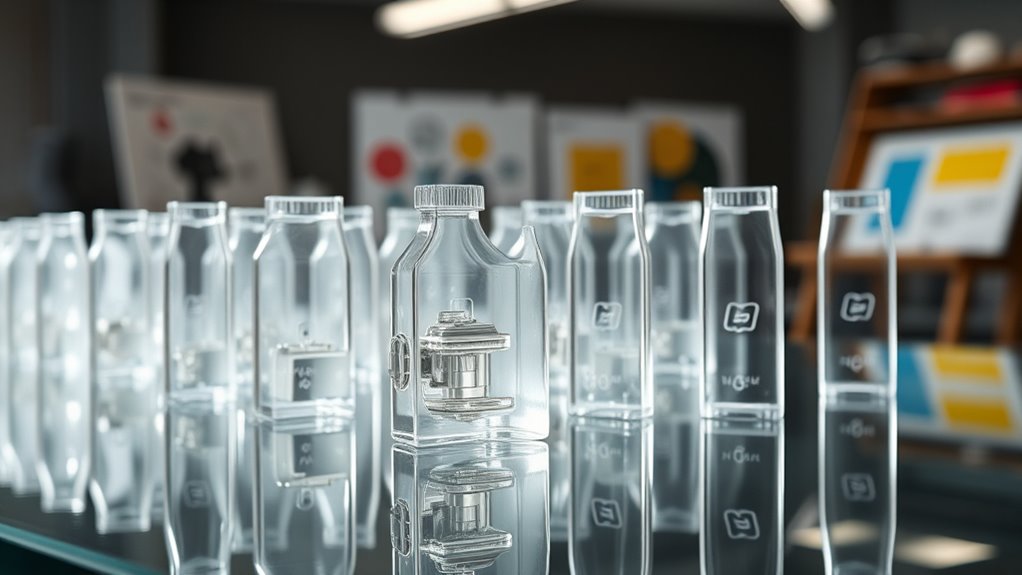
Ever wondered what materials make for quick disposable prototypes? You should choose materials that enable rapid fabrication, like foam, cardboard, or inexpensive plastics such as PLA or PET. These options are lightweight, easy to cut or shape, and cost-effective, making them perfect for fast iteration. Material selection is vital to streamline your design process, so focus on materials that balance affordability with ease of use for swift, throwaway models.
How Can Disposable Prototypes Improve Team Collaboration?
Disposable prototypes enhance your team’s collaboration by fostering open communication and encouraging rapid feedback. They streamline collaborative design by allowing everyone to visualize ideas quickly and identify issues early. This approach improves team dynamics, as members feel more engaged and motivated to contribute. With disposable prototypes, you can experiment freely, adapt swiftly, and guarantee that all voices are heard, ultimately creating a more cohesive and innovative development process.
What Are Common Mistakes to Avoid With Throwaway Models?
You should avoid rushing through disposable prototypes, as it hampers iterative refinement and misses valuable stakeholder feedback. Don’t ignore stakeholder engagement; their insights guide meaningful improvements. Also, resist overcomplicating models—keep prototypes simple to test ideas quickly. Failing to document learnings from each throwaway model can lead to repeated mistakes. By staying focused on iterative refinement and involving stakeholders, you’ll maximize the benefits of disposable prototypes without common pitfalls.
How Do Disposable Prototypes Influence User Feedback Accuracy?
You might worry that disposable prototypes could skew user feedback, but they actually enhance prototype accuracy by allowing you to test multiple ideas quickly. This rapid iteration reveals genuine user reactions without over-investing in a single design. As a result, your user feedback becomes more precise, guiding you to refine your product effectively. Embracing throwaway models helps you gather honest insights, ensuring your final product truly meets users’ needs.
cheap physical prototyping materials
As an affiliate, we earn on qualifying purchases.
As an affiliate, we earn on qualifying purchases.
Conclusion
Just as Icarus dared to soar with wings of wax, embracing disposable prototypes reminds you that innovation often requires bold leaps and quick experiments. By accepting the art of the throwaway model, you release the freedom to explore, fail, and refine without fear of permanence. In this fleeting dance of creation, you discover that sometimes, the most valuable lessons come from what you let go—like Daedalus’s wings, these prototypes teach you to craft anew with each flight.
As an affiliate, we earn on qualifying purchases.
As an affiliate, we earn on qualifying purchases.