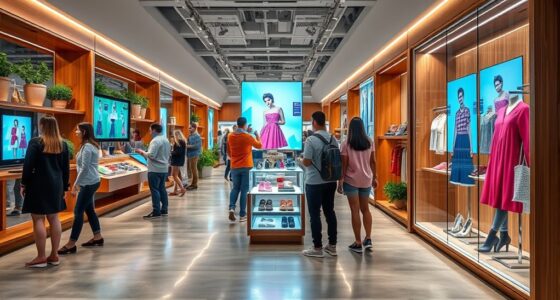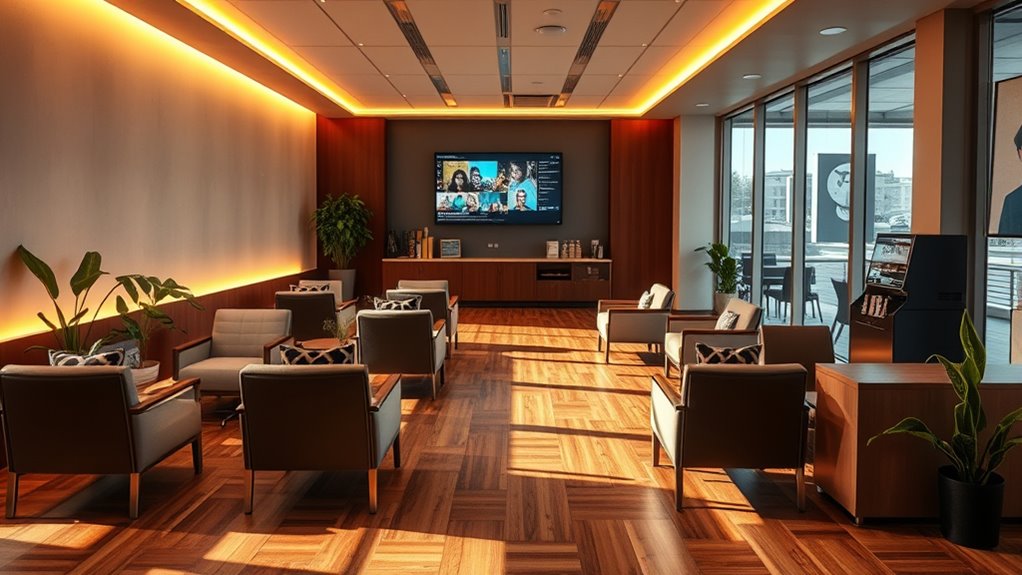

To turn customer downtime into positive moments, focus on engaging their senses with calming visuals, pleasant sounds, and subtle scents. Create a welcoming environment with comfortable seating and good lighting, and include tactile elements like stress balls or interactive screens. Keep your customers informed with clear digital displays or messages, making wait times feel shorter and more manageable. If you explore further, you’ll discover even more strategies to craft memorable, patient-friendly spaces.

Get business pricing on monitors, keyboards and dev gear
- Business-only prices and quantity discounts
- Tax-exempt purchasing
- Multiple users, one account, clear invoices
Key Takeaways
- Incorporate sensory elements like calming visuals, sounds, and scents to create a relaxing environment during wait times.
- Use interactive touch screens and tactile objects to engage customers and make waiting more enjoyable.
- Design a welcoming space with comfortable seating, soothing lighting, and climate control to enhance physical comfort.
- Implement digital displays and transparent communication to keep customers informed and reduce impatience.
- Curate a positive atmosphere with natural elements and subtle scents to transform downtime into a pleasant experience.
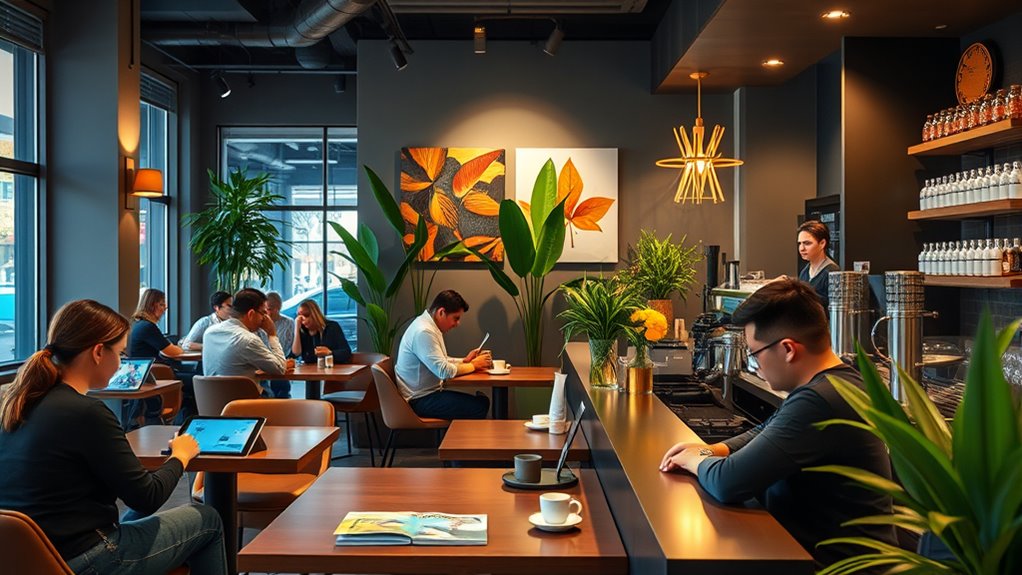
Waiting often feels like an unavoidable interruption, but what if you could design it intentionally? Instead of letting downtime frustrate your customers, you can create moments that foster patience and even delight. The key lies in understanding how sensory engagement influences customer patience. When people are engaged through their senses, they’re less likely to feel anxious or irritated by wait times. Think about the tactile, visual, or auditory elements you can introduce to transform a dull pause into a positive experience.
Start by considering the environment where your customers wait. Bright, welcoming visuals or calming colors can immediately set a relaxed tone. Soft background music or natural sounds help drown out the noise of impatience and provide a soothing backdrop. Even subtle scents—like fresh coffee or clean linens—can evoke comfort and make the wait feel shorter. When you carefully curate these sensory cues, you’re actively shaping perceptions of time and making patience easier to sustain.
Creating a welcoming environment with calming visuals, soothing sounds, and gentle scents encourages patience during wait times.
Incorporate interactive elements that encourage sensory engagement without overwhelming. For instance, offering touch screens with engaging content, such as games, information, or personalized updates, gives customers something to focus on while they wait. These touches not only entertain but also demonstrate that you value their time. If space allows, consider providing tactile objects—like stress balls or textured brochures—that give a sensory outlet and reduce feelings of frustration.
Another effective approach is to communicate transparently during the wait. Keep customers informed about their place in the process with visuals or digital displays. Clear, reassuring messages combined with engaging visuals reinforce patience and trust. Show them that their wait is acknowledged and that their experience remains a priority. When customers feel informed and engaged, their perception of waiting shifts from a nuisance to a manageable part of their overall experience.
Finally, think about the physical comfort of your waiting area. Comfortable seating, appropriate lighting, and climate control all contribute to a sensory environment that encourages patience. When people feel physically at ease, their minds are less likely to fixate on the passage of time.
Popular right now

De'Longhi Stilosa Compact Manual Espresso Machine with Milk Frother

Ninja DualZone Smart Air Fryer, 10 Qt, 6-in-1, DZ950

Dyson V8 Cordless Vacuum
As an affiliate, we earn on qualifying purchases.
Frequently Asked Questions
How Can Technology Reduce Perceived Waiting Times Effectively?
Technology reduces perceived waiting times effectively by using virtual cues and ambient design to engage you during downtime. Virtual cues, like digital displays or notifications, keep you informed and entertained, while ambient design creates a calming environment that distracts from the wait. Together, these elements make the wait feel shorter and more pleasant, turning a potentially frustrating experience into a positive moment.
What Are the Psychological Benefits of Positive Waiting Experiences?
Ironically, waiting can boost your mood when you focus on mindfulness practices and environmental comfort. These positive experiences reduce stress, increase patience, and foster a sense of control. When you’re comfortable and present, you’re less likely to feel anxious or frustrated. Instead, you might even enjoy a moment of calm, making the wait seem shorter and more meaningful—transforming downtime into an opportunity for relaxation and mental clarity.
How Do Cultural Differences Influence Wait Time Perceptions?
Cultural differences substantially influence your wait perception by shaping cultural patience levels. In some cultures, you might see waiting as a natural part of the process, making it feel less frustrating. In others, impatience may grow quickly if wait times aren’t managed well. Understanding these variations helps you design experiences that align with diverse cultural expectations, turning wait time into a more positive, accepted part of the customer journey.
Can Staff Training Improve Customer Experience During Wait Periods?
You can substantially improve customer experience during wait times through staff training. When you empower your staff, they develop emotional engagement that transforms waiting into a positive interaction. Coincidentally, this empowerment fosters confidence and a genuine connection, making customers feel valued. By training your team to handle delays proactively, you create moments of care and attentiveness, turning downtime into an opportunity for meaningful engagement that leaves a lasting positive impression.
What Metrics Best Measure Success in Wait Experience Design?
You should focus on metrics like customer satisfaction scores, wait time perceptions, and repeat visits to measure success in wait experience design. Track how well service personalization and ambient ambiance influence these metrics, ensuring customers feel valued and comfortable during wait periods. By analyzing feedback and engagement data, you can identify areas for improvement, making wait times feel shorter and more enjoyable, ultimately boosting overall customer experience.
Conclusion
By rethinking the way you approach wait times, you can turn customer downtime into valuable moments. Remember, 73% of customers feel satisfied when they see engaging activities during their wait, making it a chance to build loyalty. When you design these moments thoughtfully, you not only reduce frustration but also create positive experiences that keep customers coming back. Embrace the opportunity to transform waiting into a memorable part of your service—and watch your reputation grow.