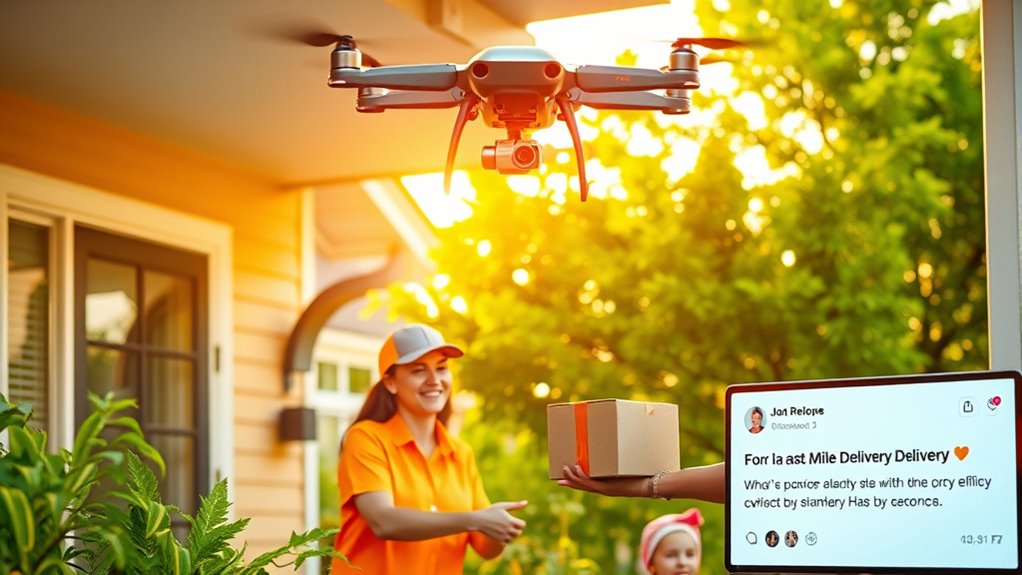

To create last-mile magic, focus on innovative delivery methods like drones to bypass urban traffic and reach customers faster. Combine this with proactive follow-up using real-time tracking and automated updates to keep customers informed. Clear communication, digital receipts, and photo confirmations build trust and satisfaction. Integrate technology and customer service to deliver a seamless experience. Curious how these strategies come together? Keep exploring for more insights on delighting your customers in urban logistics.

Get business pricing on monitors, keyboards and dev gear
- Business-only prices and quantity discounts
- Tax-exempt purchasing
- Multiple users, one account, clear invoices
Key Takeaways
- Integrate drone delivery to bypass traffic, reach hard-to-access areas, and reduce delivery times in dense urban environments.
- Establish clear communication channels with customers via real-time tracking, automated updates, and proactive notifications.
- Coordinate with regulators and set up designated drone landing zones to ensure safe, compliant drone operations.
- Use AI-driven insights to personalize delivery routes, optimize scheduling, and enhance follow-up efficiency.
- Combine innovative delivery methods with transparent, customer-centric follow-up to boost satisfaction and loyalty.
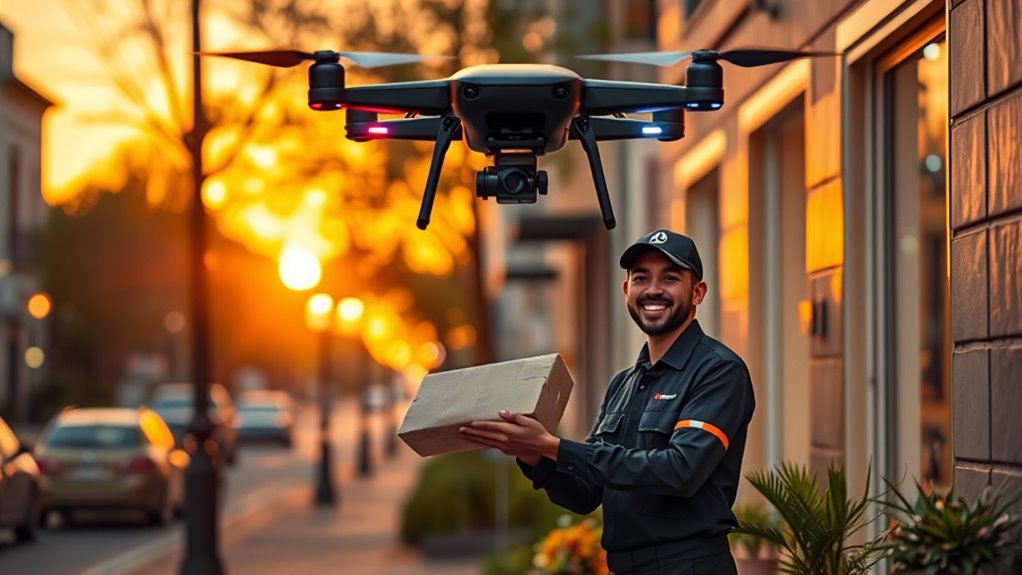
Last-mile delivery is often the most complex and costly part of the logistics process, but it’s also the final step that directly impacts customer satisfaction. When you’re steering through urban logistics, this complexity becomes even more pronounced. Dense city streets, traffic congestion, limited parking, and strict delivery windows all challenge your ability to deliver quickly and reliably. To overcome these hurdles, you need innovative strategies that optimize routes, improve efficiency, and enhance the customer experience. One promising solution gaining traction is drone delivery, which can bypass traffic and reach customers faster, especially in congested areas. By integrating drone technology into your urban logistics operations, you can reduce delivery times, lower costs, and increase flexibility. Drones can navigate narrow alleyways or hard-to-reach locations, making last-minute deliveries more feasible and less disruptive to your drivers. This approach not only improves your operational efficiency but also appeals to customers expecting rapid, contactless delivery options.
Incorporating drone delivery into your last-mile strategy requires careful planning. You’ll need to coordinate with local regulators, establish drone landing zones, and develop protocols for safe operation. But once these elements are in place, drones can serve as a reliable supplement to traditional delivery methods, especially during peak times or in areas with high delivery density. This technology allows you to reach customers in hard-to-access locations without the delays associated with urban traffic. Plus, drones can operate outside of regular delivery hours, giving you more flexibility and the ability to offer faster turnaround times.
Beyond the technology itself, your success hinges on the follow-up process. Keeping customers informed throughout the delivery journey builds trust and enhances their experience. Automated notifications, real-time tracking, and proactive communication about delays or issues help manage expectations and reduce frustration. When a drone delivers a package, ensuring that the customer knows exactly when and where to expect it can turn a simple transaction into a delightful experience. Offering options for easy follow-up, such as photo confirmations or digital receipts, also reinforces your commitment to transparency and customer service. Incorporating AI-driven insights into your follow-up procedures can further personalize the experience and optimize your delivery operations.
Ultimately, mastering last-mile delivery in urban logistics involves blending innovative solutions like drone delivery with excellent follow-up procedures. These strategies work together to create a seamless, efficient, and satisfying experience for your customers. As urban environments continue to grow more congested, investing in such technologies and practices positions you ahead of the competition, ensuring your deliveries are not just completed but remembered for their reliability and customer-centric approach.
drone delivery kits for urban areas
As an affiliate, we earn on qualifying purchases.
As an affiliate, we earn on qualifying purchases.
Frequently Asked Questions
How Can Technology Improve Last-Mile Delivery Efficiency?
You can improve last-mile delivery efficiency by leveraging technology like automated routing systems, which optimize delivery paths and reduce transit times. Additionally, drone delivery offers a rapid, contactless option for reaching customers quickly, especially in hard-to-access areas. These innovations cut costs, increase delivery speed, and enhance customer satisfaction. By adopting automated routing and drone delivery, you facilitate operations and guarantee your customers receive their orders promptly and reliably.
What Are the Best Practices for Handling Delivery Exceptions?
You should respond promptly when a delivery exception occurs, keeping the customer informed about the issue and proposed solutions. Always respect the delivery window and adhere to packaging standards to prevent damage or delays. Communicate clearly, offer flexible rescheduling options, and confirm your team is trained to handle issues efficiently. Proactive communication and consistent standards help turn exceptions into opportunities for customer delight and trust.
How Do Customer Preferences Influence Delivery Route Planning?
Think of your delivery route as a tailor-made suit, fitting your customers perfectly. Customer preferences, gathered through feedback, guide route customization, ensuring deliveries occur at convenient times and locations. By listening to their needs, you create a smoother experience, reducing delays and increasing satisfaction. This personalized approach shows you value their time, turning a simple delivery into a memorable moment that builds loyalty and keeps customers coming back.
What Role Does Sustainability Play in Last-Mile Logistics?
Sustainability is essential in last-mile logistics because it reduces environmental impact. You can incorporate green packaging to minimize waste and choose eco-friendly materials, enhancing your brand’s green image. Additionally, you can offset carbon emissions from deliveries by investing in carbon offset programs. These strategies demonstrate your commitment to sustainability, appeal to eco-conscious customers, and help you meet regulatory standards, ultimately creating a more responsible and efficient delivery process.
How Can Companies Personalize Delivery Experiences at This Stage?
You can personalize delivery experiences by offering options like personalized packaging and delivery personalization. Use customer data to tailor delivery times, greetings, or special notes, making each delivery unique. Incorporate personalized packaging that reflects the customer’s preferences or occasion, enhancing the unboxing experience. By actively engaging with your customers’ preferences and customizing both packaging and delivery details, you create memorable, delightful moments that foster loyalty and satisfaction.
real-time package tracking devices
As an affiliate, we earn on qualifying purchases.
As an affiliate, we earn on qualifying purchases.
Conclusion
Imagine delivering a package like handing over a treasured gift—you want every step to feel seamless and personal. When you focus on thoughtful follow-up and smooth delivery, you turn customers into loyal fans. Studies show that 80% of consumers are more likely to buy again after a positive delivery experience. So, treat the last mile not just as a drop-off, but as the final touch that turns an ordinary transaction into a memorable moment.
automated delivery notification systems
As an affiliate, we earn on qualifying purchases.
As an affiliate, we earn on qualifying purchases.
As an affiliate, we earn on qualifying purchases.
Halloween Picks
halloween
As an affiliate, we earn on qualifying purchases.