
📊 Full opportunity report: Why Physical-Demand Ratings Matter For Seniors on IdeaNavigator AI — validation score, market gap, and execution plan.

Get business pricing on monitors, keyboards and dev gear
- Business-only prices and quantity discounts
- Tax-exempt purchasing
- Multiple users, one account, clear invoices
TL;DR
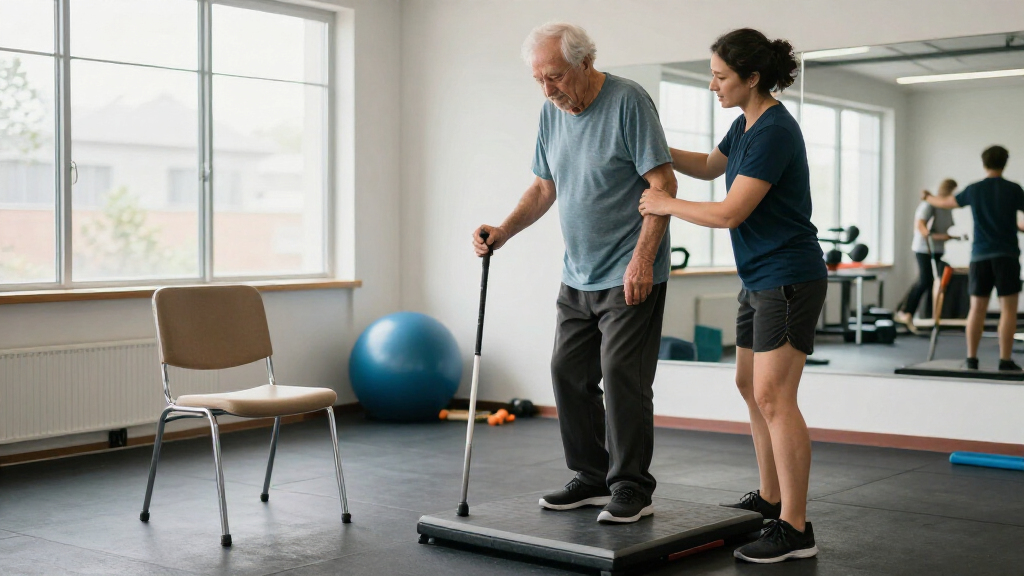
IdeaNavigator AI proposes detailed physical-demand profiles for tours and excursions, listing walking distance, stairs, terrain and rest options before booking. The idea is aimed at travelers who can walk but have limits. It remains a proposed business concept, not a launched service or a proven way to reduce incidents, according to the proposal.
IdeaNavigator AI has proposed a service that would give tours and shore excursions detailed physical-demand ratings before travelers book, including walking distance, stairs, surfaces and opportunities to rest. The concept, described on the company’s website, targets older travelers and others who can walk but may have limits, addressing a gap left by vague labels such as “moderate” or “some walking.”
In its proposal, IdeaNavigator AI says the profiles would describe a tour’s total walking distance, longest uninterrupted walk, stair count, steepest gradient, surface types and time spent standing. They would also identify whether seated rests and step-free alternatives are available. The proposal suggests a guest-facing self-check to help travelers compare those details with their own abilities.
For an initial product, IdeaNavigator AI proposes having guides record a real tour using a phone app, a GPS track and a stair counter. The company says tour operators could then display an embeddable rating badge and let customers filter excursions by physical demands. It identifies operators whose guests skew 60 or older—including river cruise lines, alumni travel programs and small-group tour companies—as potential customers.
The business proposal describes an operator subscription priced by the number of rated products, alongside a one-time fee to assess an existing catalog. To test the concept, IdeaNavigator AI suggests rating 30 excursions for two operators and showing the profiles on their booking pages for one season. Its proposed measures include incident reports, guides’ reports of travelers falling behind, refund requests and review mentions of tours being too strenuous. The proposal reports no pilot, results or commercial launch.
Why Physical-Demand Ratings Matter for Seniors
IdeaNavigator AI proposes detailed effort profiles for tours so travelers can compare physical demands before booking. The service remains a business concept, with no launch or pilot results reported.
What travelers would see
Profiles would replace vague labels like “moderate” with concrete details.
Walking and standing
Total distance, longest uninterrupted walk and time spent standing.
Stairs and terrain
Stair count, steepest gradient and surface types.
Rest and alternatives
Whether seated rests and step-free alternatives are available.
How the proposed test works
The idea is to publish profiles on booking pages and compare indicators with the prior season.
Guides use a phone app, GPS track and stair counter to capture tour details.
Two operators display ratings for 30 excursions for one season.
Review incident reports, travelers falling behind, refund requests and strenuous-tour reviews.
Potential value and limits
Clearer details could help travelers judge fit and operators set expectations.
- Compare effort with personal abilities before paying.
- Help operators match excursions to guest expectations.
- No operating service, participating operators or pilot results are reported.
- Ratings cannot assess individual health or guarantee suitability.
Clearer Effort Details Before Booking
For travelers, the potential benefit is knowing what a tour involves before paying for it. A person may be comfortable walking on level ground but struggle with long distances, steep slopes, stairs or extended standing. Specific measurements could make those differences easier to judge than a single general category. This is the intended benefit described by IdeaNavigator AI; the company provides no results showing that the proposed ratings have achieved it.
IdeaNavigator AI says operators could use clearer descriptions to help match excursions with guests’ abilities and expectations. The proposal identifies possible consequences of mismatches, including on-tour incidents, extra demands on guides, refund requests and negative reviews. These are problems the concept aims to address, not outcomes shown to have been reduced by a rating system.
The rating would not decide whether a person can or should take a trip. Individual ability varies, and a profile cannot account for every health condition or day-to-day change. Its value would depend on consistent, accurate information that lets guests make their own informed choice and contact the operator when they need more detail.
Popular right now

De'Longhi Classic Signature Espresso Machine with Adjustable Milk Frother

Ninja CREAMi XL Deluxe 11-in-1 Ice Cream and Frozen Treat Maker with Two 24 oz. Tubs

Breville Bambino Espresso Machine, Brushed Stainless Steel
As an affiliate, we earn on qualifying purchases.
Accessibility Rules and Existing Data
IdeaNavigator AI’s proposal points to the European Accessibility Act, which has applied since June 28, 2025. The proposal says the law requires in-scope air, bus, rail and waterborne passenger services to provide information about accessibility in vehicles, surrounding infrastructure and the built environment. That is relevant policy context, but it does not by itself establish that the proposed tour-by-tour effort ratings are legally required.
The proposal also cites Wheel the World’s $11 million Series A funding round in February 2026 as an example of investment in accessibility information. It distinguishes its concept from wheelchair-oriented property measurements: a walking-effort profile would be designed for travelers who can walk but may have limited distance, stamina or mobility. The funding announcement is presented as evidence of investment in accessibility data, not proof that demand for this particular product has been validated.
Pilot Results Are Not Available
IdeaNavigator AI describes the service as a business concept and does not identify an operating service, participating tour companies or a completed trial. The proposal does not say whether any operators have agreed to test the profiles, how ratings would be verified or how often they would need updating when routes or conditions change.
The proposal gives no figures for the frequency or cost of tour incidents, refunds or complaints about physical demands. Its suggested one-season comparison would need to account for differences between seasons and excursions before showing whether the profiles made a measurable difference. Pricing, customer uptake and the reliability of self-assessments are also unresolved.
A Two-Operator Seasonal Test
IdeaNavigator AI proposes rating 30 existing excursions across two operators, publishing the profiles on their booking pages and monitoring them for one season. The plan calls for comparing incident reports, guide-flagged stragglers, refund requests and reviews mentioning that an excursion was too strenuous with figures from the prior season.
The proposal names no dates or participating operators and reports no outcomes. Until a test takes place, the central question is whether detailed effort information will help travelers choose suitable tours—and whether operators can collect and maintain those details accurately enough to make the ratings useful.
Source: IdeaNavigator AI proposal
Key Questions
What would a physical-demand rating include?
According to IdeaNavigator AI’s proposal, the profile would list walking distance, the longest uninterrupted walk, stairs, gradients, surfaces and standing time, along with seated-rest options and step-free alternatives.
Who is the proposed service for?
IdeaNavigator AI says it is aimed at tour and shore-excursion operators whose guests include older travelers, as well as people who can walk but have limits on distance, stamina or mobility.
Is this rating system already available?
No launch or operating service is described in IdeaNavigator AI’s proposal. The idea remains a proposal, and no completed pilot results are reported.
Would the ratings guarantee that a tour is suitable?
No. The proposed details could help travelers judge a tour, but they would not assess each person’s health or guarantee that an excursion is suitable for them.
How would the idea be tested?
IdeaNavigator AI suggests rating 30 excursions for two operators and comparing incident reports, guide observations, refund requests and review comments over one season with the prior season.
Source: IdeaNavigator AI