

You might notice that the conversations around accessibility and sustainability often stay separate, but they’re truly interconnected. When you blend inclusive design with eco-friendly materials, you create spaces and products that serve diverse needs while reducing waste and environmental impact. This integrated approach supports durability, safety, and long-term savings. If you keep exploring this connection, you’ll see how addressing both issues together leads to more equitable, sustainable solutions that benefit everyone and the planet.

Get business pricing on monitors, keyboards and dev gear
- Business-only prices and quantity discounts
- Tax-exempt purchasing
- Multiple users, one account, clear invoices
Key Takeaways
- Accessibility and sustainability are interconnected; separating them overlooks opportunities for holistic, eco-friendly inclusive solutions.
- Inclusive design using eco-friendly materials reduces waste, enhances durability, and supports long-term sustainability.
- Integrating sustainability early in accessible design minimizes future modifications and resource consumption.
- Perceptions of higher costs can be offset by long-term savings and environmental benefits of combined approaches.
- An integrated strategy promotes equitable, environmentally responsible spaces benefiting users, communities, and the planet.
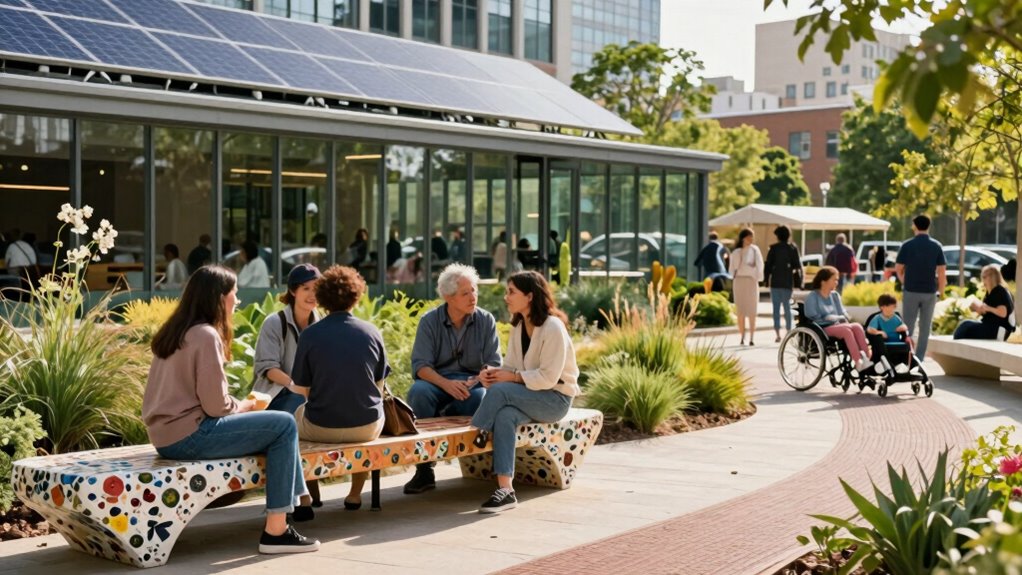
As awareness around environmental impact grows, it’s clear that accessibility and sustainability are increasingly interconnected concerns. You might have noticed that many conversations still treat these topics separately, but blending them can lead to more meaningful solutions. When you design with inclusivity in mind, you’re not just creating products or spaces that serve everyone—you’re also contributing to a more eco-friendly future. Inclusive design emphasizes understanding diverse needs and removing barriers, which often results in reduced waste and more efficient resource use. For example, choosing eco friendly materials is a simple yet powerful way to support both accessibility and environmental goals. These materials are often durable, non-toxic, and sourced sustainably, meaning they last longer and have a lower impact on the planet.
Designing inclusively supports both accessibility and sustainability through durable, eco-friendly materials that reduce waste and last longer.
You can see how this approach benefits everyone. When you prioritize inclusive design, you’re creating environments that are usable by people with a wide range of abilities, but you’re also reducing the need for costly modifications or replacements down the line. This proactive strategy minimizes waste and promotes longevity. Additionally, eco friendly materials like recycled metals, biodegradable composites, or sustainably harvested wood can be integrated seamlessly into accessible designs. They not only meet environmental standards but also enhance the user experience for those who rely on assistive devices or require specific accommodations. For instance, using non-slip, environmentally friendly flooring ensures safety for people with mobility challenges and reduces environmental harm simultaneously. Recognizing sustainable sourcing as a critical component can further strengthen the connection between eco-consciousness and inclusivity. Moreover, incorporating indoor air quality considerations can improve the health and comfort of all users, especially in spaces designed for diverse needs.
Sometimes, the challenge lies in shifting perspectives. You might think that making something accessible and eco-conscious requires extra effort or higher costs, but that’s often a misconception. In fact, adopting inclusive design principles with eco friendly materials can lead to savings in the long run—fewer repairs, less waste, and a broader reach of users. When you consider sustainability from the start, you’re less likely to need future modifications, which helps conserve resources. Moreover, understanding the importance of bulk email techniques can help spread awareness about these interconnected issues more effectively to a wider audience. The key is to see these efforts as interconnected rather than separate tasks. By doing so, you create spaces and products that are not only more equitable but also more sustainable.
Ultimately, the conversation about accessibility and sustainability shouldn’t be divided. When you embrace inclusive design and eco friendly materials, you’re making a conscious choice to build a more just and sustainable world. This integrated approach benefits everyone—users, communities, and the environment—by fostering innovation and responsible resource use. The more you recognize their interconnectedness, the closer you get to creating solutions that truly serve all and protect our planet at the same time.
As an affiliate, we earn on qualifying purchases.
Frequently Asked Questions
How Can Companies Integrate Accessibility and Sustainability Goals Effectively?
You can integrate accessibility and sustainability goals by adopting Universal Design principles, ensuring products and spaces serve everyone while minimizing environmental impact. Embrace Green Innovation to develop eco-friendly solutions that also enhance accessibility. Collaborate across departments to align these initiatives, and set measurable targets. By doing so, you create inclusive, sustainable strategies that benefit both people and the planet, demonstrating a commitment to responsible growth and social responsibility.
What Are the Biggest Challenges in Aligning Accessibility With Sustainability Initiatives?
You might find the biggest challenge in aligning accessibility with sustainability initiatives is balancing Universal Design principles with eco-friendly materials. It’s a coincidence that sustainable options often aren’t designed with accessibility in mind, making integration tricky. You need to navigate costs, material choices, and design complexities to guarantee that both goals are met effectively. Overcoming these hurdles requires innovative thinking and collaboration across teams to create truly inclusive, eco-conscious solutions.
Are There Specific Industries Leading in Both Accessibility and Sustainability Efforts?
You’ll find that industries like technology and fashion are leading in both accessibility and sustainability efforts. They’re embracing inclusive innovation and eco-friendly design, making products more accessible to everyone while reducing environmental impact. These sectors recognize that integrating accessibility with sustainability isn’t just ethical but also boosts brand loyalty and innovation. By prioritizing inclusive innovation and eco-friendly design, you can see how these industries set a positive example for others to follow.
How Do Accessibility and Sustainability Impact Customer Loyalty and Brand Reputation?
Think of your brand as a gardener, cultivating trust through inclusive innovation and ethical branding. When you prioritize accessibility and sustainability, customers see your commitment, boosting loyalty and enhancing reputation. For example, companies embracing eco-friendly and inclusive practices often enjoy higher customer retention. These efforts demonstrate your values, resonating with consumers who increasingly seek brands that genuinely care, making your reputation bloom and loyalty flourish with every sustainable, accessible step you take.
What Role Do Policymakers Play in Promoting Integrated Accessibility and Sustainability Strategies?
Policymakers play a vital role by developing policy frameworks that encourage integrated accessibility and sustainability strategies. You can influence this by promoting community engagement, ensuring diverse voices shape policies that address both needs simultaneously. When policymakers prioritize inclusive, sustainable development, they foster environments where accessibility and sustainability coexist, ultimately enhancing social equity, environmental health, and economic resilience. Your involvement in shaping these policies drives positive change across communities.
accessible sustainable building materials
As an affiliate, we earn on qualifying purchases.
As an affiliate, we earn on qualifying purchases.
Conclusion
You might be surprised to learn that 80% of consumers prefer brands that demonstrate a commitment to both accessibility and sustainability. By understanding that these efforts aren’t separate but interconnected, you can make a real impact. Don’t keep them apart—integrate accessibility into your sustainability initiatives. When you do, you not only reach more people but also build a stronger, more responsible brand. Together, accessibility and sustainability can create a future that’s inclusive and eco-friendly for everyone.
As an affiliate, we earn on qualifying purchases.
As an affiliate, we earn on qualifying purchases.
Halloween Picks
halloween
As an affiliate, we earn on qualifying purchases.