

To design default choices that lower waste without guilt, focus on making eco-friendly options the easiest and most familiar to select. Position sustainable products at eye level and set environmentally friendly settings as the default, like paperless billing. Highlight community norms to reinforce positive habits and create a sense of social approval. Subtle environment tweaks, such as reusable bags at checkout, naturally guide behavior. If you want to learn how to craft these seamless solutions, there’s more to explore ahead.
Key Takeaways
- Make eco-friendly options the default setting to encourage effortless adoption without guilt.
- Use social norms and positive messaging to reinforce responsible waste reduction behaviors.
- Design environments with choice architecture that subtly guides consumers toward sustainable choices.
- Ensure default options promote lower waste while respecting individual autonomy and preferences.
- Present information and options clearly to frame sustainable choices as natural and easy.

Designing default choices that reduce waste can be a powerful way to influence behavior without making people feel guilty. When you set up environments or options thoughtfully, you tap into the principles of behavioral nudges and consumer psychology to guide people toward more sustainable decisions. Instead of relying on rules or bans, you subtly shape choices by making the environmentally friendly option the easiest or most appealing choice. This approach works because humans are often influenced by default settings and the way options are presented, rather than by direct persuasion.
Behavioral nudges play a vital role in this process. They leverage subconscious tendencies—like choosing the path of least resistance or sticking with familiar options—to promote waste reduction. For example, if you place reusable bags at the front of a store or automatically include a reusable straw in a drink order, you’re nudging consumers toward sustainable choices without demanding it. These small adjustments tap into consumer psychology by making eco-friendly options more accessible and less effortful, which considerably increases the likelihood of adoption. Additionally, choice architecture can be designed to support these efforts by structuring environments that naturally favor sustainable options.
Consumer psychology reveals that people tend to go with the default because it feels easier and less decision-intensive. When environmentally friendly options are positioned as the standard or default, consumers are more inclined to accept them without feeling pressured. For instance, designing packaging that automatically encourages recycling or offering default settings for paperless billing can influence behavior subtly but effectively. The key is to make sustainable choices the path of least resistance, so they become the natural, effortless option.
You should also consider how social norms influence decision-making. Highlighting that most people are already engaging in waste-reducing behaviors can act as a powerful nudge. Phrases like “Join the majority who recycle” or displaying community recycling rates taps into consumer psychology by aligning individual actions with perceived social expectations. When these norms are embedded into default choices, they reinforce positive behaviors without guilt, making environmentally responsible decisions feel like the norm rather than an exception.
Ultimately, the goal is to design default options that seamlessly promote lower waste without creating resistance or guilt. By understanding behavioral nudges and consumer psychology, you can craft environments where sustainable choices become the easy, obvious, and default options. This approach encourages lasting change because it respects individual autonomy while gently guiding everyone toward better habits. When done right, these subtle design choices can have a profound impact, fostering a culture of sustainability that feels natural rather than forced. Recognizing the influence of content presentation can further enhance how effectively these choices are implemented.

Simply Cool Reusable Grocery Bags Eco-Friendly – Large Reusable Shopping Bags, Heavy Duty Grocery Bags, 14.5"x14"x6.6" Foldable, Tote Bags Bulk (50 Pack, Black)
- ✅ 50 PACK BLACK PREMIUM REUSABLE SHOPPING AND GROCERY BAGS HEAVY DUTY: Do your part to help…
- ✅ MADE WITH ECO-FRIENDLY, RECYCLED MATERIAL: Our durable, long-lasting shopping bag…
- ✅ STURDY DESIGN WITH STITCHED HANDLES: Now your customers can shop…
As an affiliate, we earn on qualifying purchases.
As an affiliate, we earn on qualifying purchases.
Frequently Asked Questions
How Do Cultural Differences Affect Default Waste Reduction Choices?
Cultural differences considerably influence default waste reduction choices by shaping norms and behaviors. You might face behavioral barriers when certain waste practices clash with cultural norms, making it harder to adopt eco-friendly defaults. To overcome this, you need to understand local values and tailor defaults that resonate with cultural expectations. This approach helps reduce waste without guilt, encouraging people to embrace sustainable habits aligned with their cultural context.
Can Default Choices Influence Long-Term Environmental Habits?
Like a gentle breeze guiding a leaf, default choices can shape your long-term environmental habits. Behavior nudges subtly influence your decisions, making eco-friendly actions feel natural. By addressing psychological barriers, these defaults encourage consistent waste reduction without guilt. Over time, they embed sustainable routines into your daily life, turning mindful choices into lasting habits that benefit the planet—and feel just right for you.
What Role Does Consumer Education Play in Default Waste Reduction?
Consumer education plays a vital role in default waste reduction by combining behavioral nudges and educational campaigns. When you’re informed about waste impacts, you’re more likely to embrace eco-friendly defaults, like reusable bags or containers. Educational campaigns raise awareness and reinforce positive habits, while behavioral nudges subtly guide your choices. Together, they empower you to make sustainable decisions effortlessly, reducing waste without feeling guilty or overwhelmed.
Are There Legal Considerations When Implementing Default Environmental Choices?
Implementing default environmental choices is like steering through a maze—you need to follow the right paths. Legally, you must guarantee compliance with local laws and regulations, which vary by region. Regulatory frameworks set the boundaries you must respect, so understanding these is essential. Before deploying defaults, check legal considerations to avoid penalties or reputational damage, and consider consulting legal experts to align your initiatives with current laws and policies.
How Can Businesses Measure the Impact of Default Waste-Reducing Options?
You can measure the impact of default waste-reducing options by tracking behavioral incentives and analyzing data. Implement data tracking tools to monitor changes in waste generation, recycling rates, and customer behavior over time. Compare metrics before and after introducing defaults, and gather feedback to understand behavioral shifts. This approach helps you quantify effectiveness, refine strategies, and demonstrate your environmental impact to stakeholders, all while promoting sustainable choices seamlessly.
automatic paperless billing setup
As an affiliate, we earn on qualifying purchases.
As an affiliate, we earn on qualifying purchases.
Conclusion
By designing default choices that subtly guide you toward less waste, you’re channeling a bit of that Promethean fire—harnessing innovation for good. Remember, even small shifts can echo through the ages, shaping a more sustainable world. So, embrace these mindful defaults not with guilt, but with pride, knowing you’re part of a timeless quest for harmony—like the mythic hero forging a better future, one choice at a time.
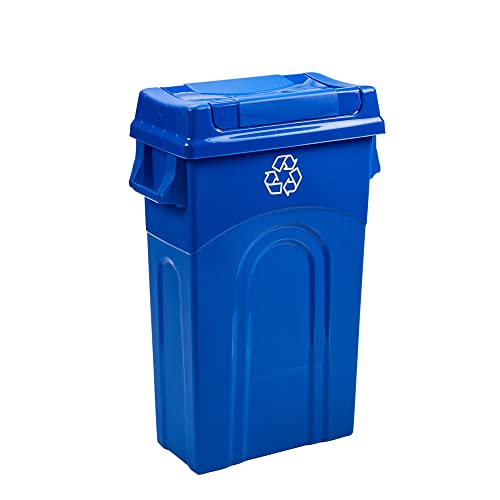
United Solutions 23 Gallon Highboy Plastic Recycling Bin Kitchen Trash Can with Lid, Pass Through Handles, and Dustpan Edge, Blue
- Space-Saving Design: Ideal for tight spaces
- Easy Bag Removal: Vented sides for simple bag change
- Dustpan Edge: Sweep debris directly into the bin
As an affiliate, we earn on qualifying purchases.
As an affiliate, we earn on qualifying purchases.

OVV3D PLA Filament 1.75mm, Matte PLA Tri-Color Rainbow PLA Filament 3D Printer Filament, Macaron 3D Printing Filament Pink Yellow Blue
- Tri-Color Coextruded Filament: Includes Sky Blue, Pink, Yellow colors
- Dream-Like Macaron Finish: Creates a pure, dreamy appearance
- Easy to Print: Stable diameter for smooth printing
As an affiliate, we earn on qualifying purchases.
As an affiliate, we earn on qualifying purchases.