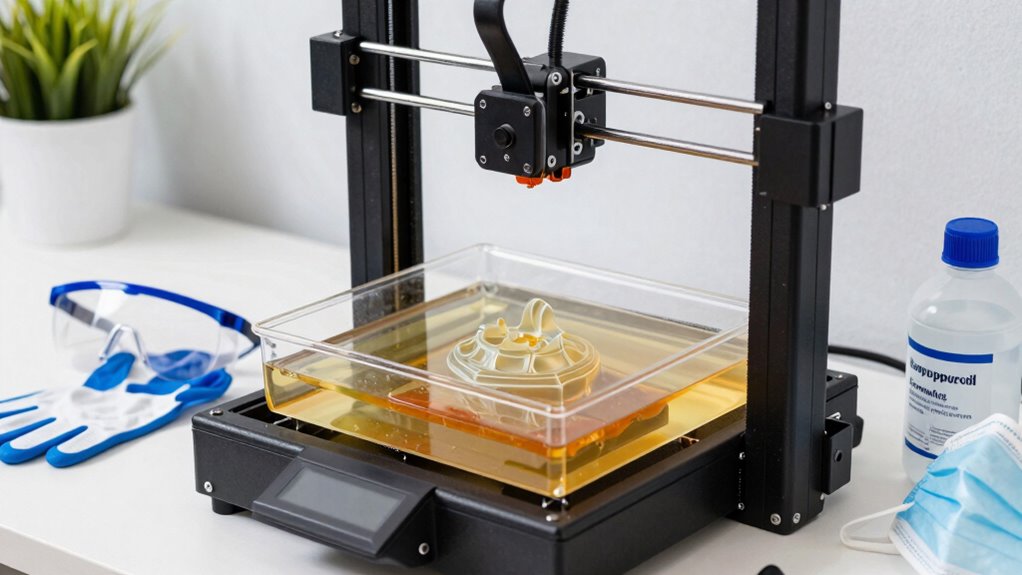

When starting resin printing, always prioritize safety by wearing gloves, goggles, and masks to prevent skin and eye contact with uncured resin, which can cause irritation or reactions. Keep your workspace well-ventilated to avoid inhaling VOCs and monitor air quality. Store resin properly, away from children and pets, and handle chemicals with care. Avoid common mistakes like spills or improper disposal. Keep exploring safety tips to guarantee a safer, enjoyable printing experience.
Get ready for Prime Big Deal Days — try Prime free
Exclusive member deals on October 6–7, plus fast free delivery. Cancel anytime.
As an affiliate, we earn on qualifying purchases.
Key Takeaways
- Always wear gloves, goggles, and masks when handling resin to protect skin, eyes, and respiratory health.
- Work in a well-ventilated area with proper air filtration to reduce exposure to VOCs and airborne particles.
- Store resin containers securely, away from heat, sunlight, children, and pets, and dispose of waste according to local regulations.
- Use spill trays and protective covers to prevent resin spills and maintain a clean, organized workspace.
- Regularly inspect and maintain equipment and ventilation systems to ensure safe operation and air quality.
As an affiliate, we earn on qualifying purchases.
Understanding the Hazards of Resin Printing Safety
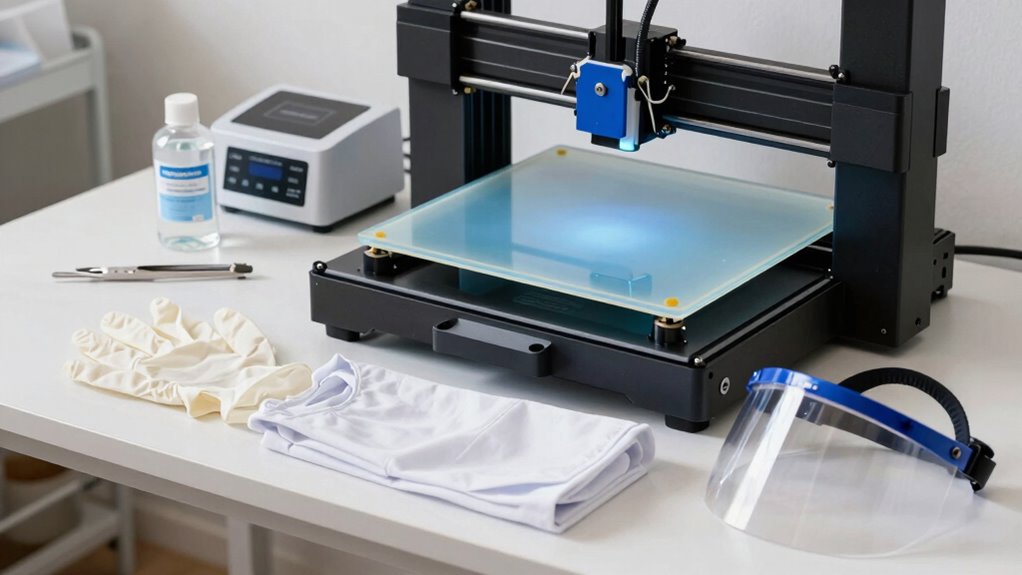
While resin printing offers impressive detail and precision, it also poses specific health risks if not handled properly. Resin toxicity is a major concern because exposure to uncured resin can cause skin irritation, allergic reactions, or respiratory issues. Understanding the chemical reactions involved helps you recognize why proper handling is vital. During printing, uncured resin releases volatile organic compounds (VOCs), which can be harmful if inhaled. Additionally, mixing or improper curing can lead to unpredictable chemical reactions, increasing health hazards. Always wear protective gear and work in well-ventilated areas to minimize these risks. Being aware of resin toxicity and how chemical reactions occur ensures you take the necessary precautions to stay safe throughout your printing projects. Proper resin management and understanding its properties are essential for maintaining a safe workspace. Knowing about resin safety protocols can further help prevent accidents and health issues. For instance, understanding the hazards of VOCs can motivate you to invest in proper ventilation systems. Recognizing the importance of personal protective equipment is also crucial for safeguarding your skin and respiratory health during resin handling.
resin printer ventilation system
As an affiliate, we earn on qualifying purchases.
As an affiliate, we earn on qualifying purchases.
How to Set Up a Safe Resin Printing Workspace
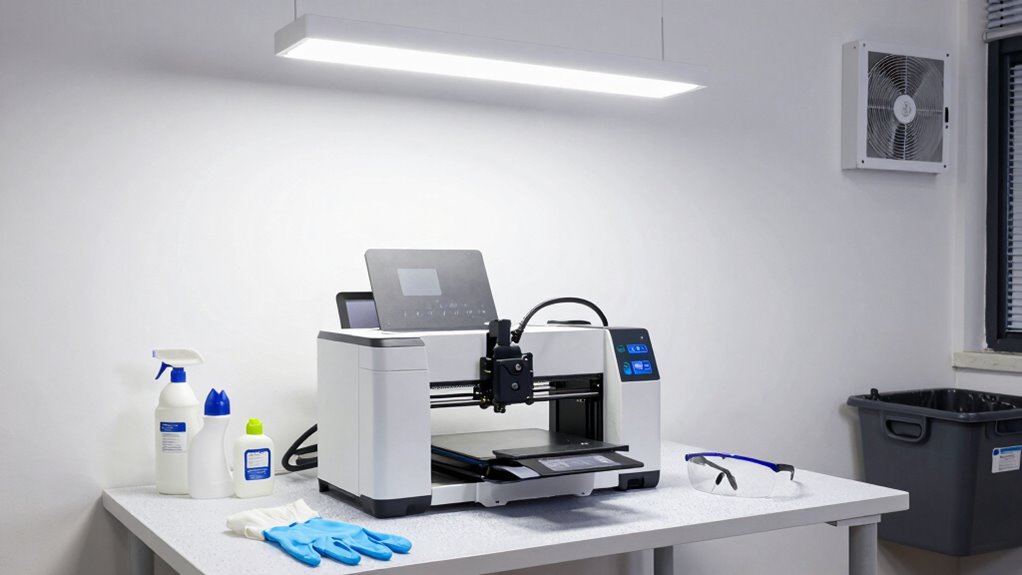
Have you considered how your workspace setup can directly impact your safety when resin printing? A well-organized workspace minimizes accidents and makes cleanup easier. Keep your work area clutter-free by designating specific spots for resin, tools, and safety gear. Proper workspace organization ensures you can quickly access everything you need without risking spills or cross-contamination. Regular equipment maintenance is essential—check your printer, lights, and curing stations for damage or wear, and clean surfaces after each print. Use spill trays and protective covers to contain resin drips. Good organization and diligent equipment care reduce hazards, improve efficiency, and help maintain a safe environment. Additionally, understanding measurement tools can help you identify potential risks and implement effective safety measures. Employing precise measurement techniques can further enhance your safety by enabling you to monitor resin levels and exposure times accurately. Remember, a tidy, well-maintained workspace is foundational to safe resin printing practices, and incorporating safety protocols can further prevent accidents. Regularly reviewing safety procedures is also important to stay updated on best practices and ensure a consistently safe environment.
As an affiliate, we earn on qualifying purchases.
Protect Your Skin, Eyes, and Lungs During Printing

You need to protect your skin, eyes, and lungs when resin printing by wearing the right protective gear, like gloves and goggles. Make sure your workspace has proper ventilation to avoid inhaling fumes. Handle resin carefully, always following safety instructions to prevent accidents and health issues. Using proper safety equipment is essential to minimize exposure and ensure a safe printing environment. Additionally, understanding nail biology can help you recognize the importance of protecting your skin from harmful substances. Being aware of health and safety precautions can further reduce the risk of exposure to potentially hazardous materials during the printing process. Properly ventilating your workspace is also vital to help disperse any fumes and maintain a safe environment.
Wear Protective Gear
Protecting yourself during resin 3D printing is crucial, as the process involves exposure to hazardous chemicals and UV light. You should always wear protective clothing, such as gloves and long sleeves, to prevent skin contact with resin. Safety goggles or a face shield are essential to shield your eyes from splashes and UV exposure. A respirator or mask helps protect your lungs from fumes and airborne particles. It’s also important to have emergency preparedness supplies nearby, like eyewash stations or first aid kits, in case of accidental spills or splashes. Staying vigilant and using the proper protective gear ensures your safety during each print session, minimizing health risks and maintaining a safe working environment. Additionally, incorporating Romanian folklore-inspired props or decorations into your workspace can add a unique touch while reminding you of the importance of safety in your craft. Being aware of regional safety standards can further enhance your safety practices and help you stay compliant with relevant regulations. Regularly inspecting your equipment and following safe handling procedures can prevent accidents and ensure a safer printing experience. Remembering to properly dispose of resin waste is vital to prevent environmental contamination and health hazards. Always stay informed about latest safety guidelines to keep your workspace as secure as possible.
Ensure Proper Ventilation
Proper ventilation plays a vital role in keeping you safe during resin 3D printing. Good airflow helps remove harmful fumes and reduces resin odor, making your workspace more comfortable. Use an air filtration system to trap volatile organic compounds (VOCs) and airborne particles that can irritate your lungs and eyes. This not only improves air quality but also minimizes health risks associated with prolonged exposure. Make sure your workspace is well-ventilated by opening windows or installing exhaust fans to promote fresh air circulation. Odor control is essential, so consider using activated carbon filters or air purifiers designed for chemical fumes. Maintaining proper ventilation safeguards your skin, eyes, and lungs, guaranteeing you can focus on your project without unnecessary health concerns. Incorporating temperature treatments such as cold or hot therapy can also help reduce inflammation and discomfort from prolonged standing or repetitive movements during long printing sessions. Additionally, regularly inspecting and maintaining your ventilation systems ensures they operate effectively and continue to provide optimal safety. It’s also beneficial to understand air quality standards to ensure your workspace remains within safe limits for chemical exposure. Regularly monitoring air quality levels helps detect any potential hazards early and maintain a safe environment. Being aware of indoor air quality guidelines can further assist in maintaining a healthy workspace environment.
Handle Resin Carefully
Handling resin with care is vital to prevent skin irritation, eye damage, or respiratory issues. Always wear gloves and safety goggles when working with resin, and avoid direct contact with your skin or eyes. Proper resin storage is imperative—keep resin containers tightly sealed and away from children or pets. When cleaning resin tools, do so in well-ventilated areas, using appropriate cleaning solutions to minimize fumes and residue. Never pour leftover resin down the drain; instead, follow local disposal guidelines. Wash your hands thoroughly after handling resin, even if you wore gloves. By being careful during handling, storage, and cleaning, you protect yourself from harmful exposure and guarantee a safer printing environment. Additionally, gear care is essential to maintain your equipment’s longevity and ensure consistent print quality.
protective goggles for resin printing
As an affiliate, we earn on qualifying purchases.
As an affiliate, we earn on qualifying purchases.
Handling and Disposing of Resin Chemicals Safely
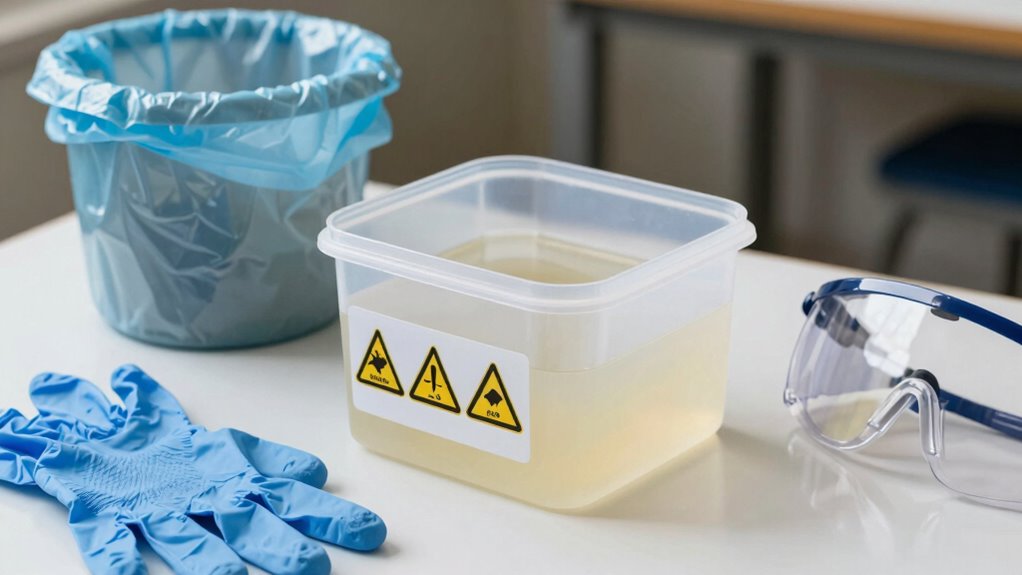
When working with resin chemicals, safety should always come first, especially during handling and disposal. You need to be careful with resin disposal to avoid environmental harm or health risks. Always wear gloves, goggles, and a mask when handling resin to prevent skin and eye contact. Store chemicals properly in labeled, sealed containers away from heat and sunlight, ensuring safe chemical storage. After printing, pour any leftover resin into a designated container for recycling or disposal, never down the drain. Dispose of used resin and contaminated materials following local regulations. Keep your workspace clean and well-ventilated to minimize fumes. Proper handling and disposal protect you and the environment, making resin printing safer and more sustainable. Incorporating water-based solutions can also reduce the environmental impact of resin disposal.
Manage UV Light Exposure During Resin Printing
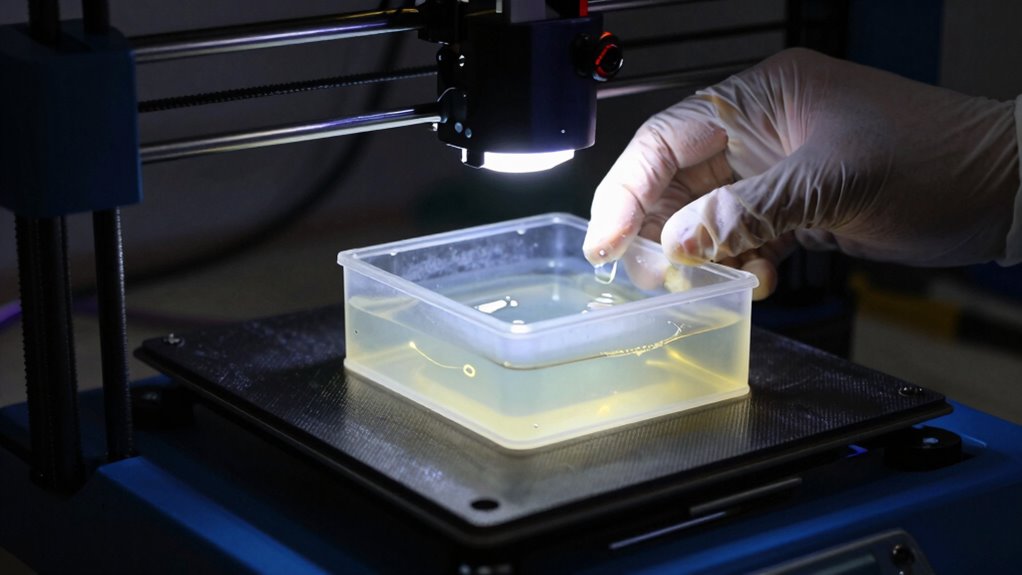
Since UV light is essential for curing resin, managing your exposure to it is crucial for safe and effective printing. Proper UV light calibration ensures your printer emits the correct intensity, preventing overexposure that can cause health hazards or undercuring that results in weak prints. Always follow recommended resin curing techniques, such as using protective barriers or enclosures to limit UV exposure outside your workspace. Regularly check and calibrate your UV light source to maintain consistent curing performance. Avoid looking directly at the UV light during printing, and keep your workspace well-ventilated. By controlling UV light exposure, you protect yourself from harmful radiation and ensure your prints cure properly, resulting in safer, high-quality results.
Common Safety Mistakes to Avoid in Resin Printing
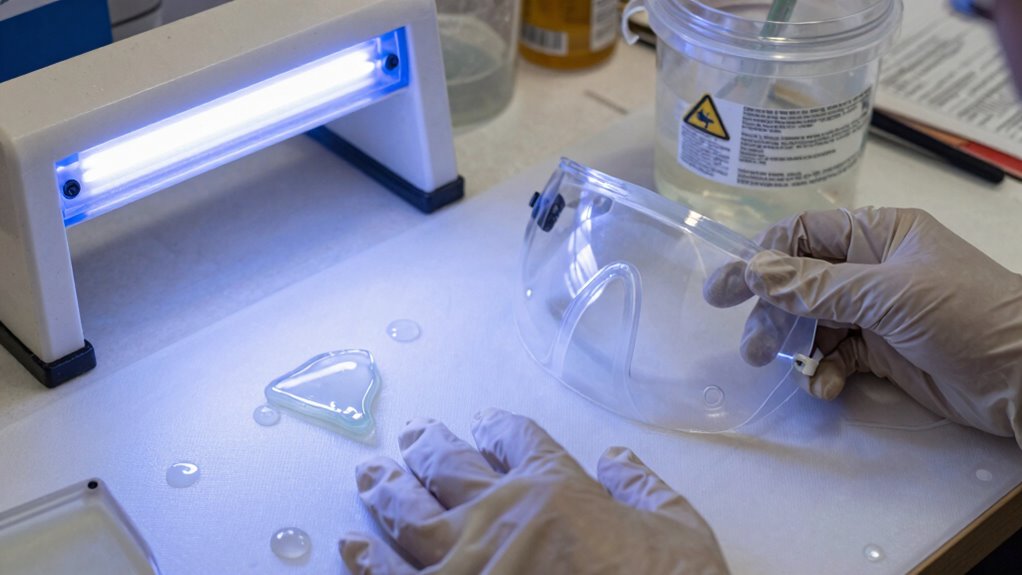
One of the biggest safety mistakes you can make is handling resin carelessly, which can expose you to harmful chemicals. Make sure you use proper ventilation and avoid skin contact to protect yourself. Staying mindful of these safety tips keeps your resin printing experience safe and trouble-free.
Handling Resin Carefully
Handling resin carefully is essential to avoid health risks and guarantee safe printing practices. Always store resin properly in a secure, labeled container to prevent spills and skin contact. Use designated cleaning tools to wipe excess resin from surfaces and your hands, minimizing exposure. Be cautious when pouring resin to avoid splashes, and wear gloves to protect your skin. Keep your workspace tidy and avoid leaving resin unattended. Proper resin storage prevents accidental ingestion or contact, while cleaning tools help maintain a safe environment.
| Resin Storage Tips | Cleaning Tools Tips |
|---|---|
| Store in a labeled, sealed container | Use disposable gloves for cleanup |
| Keep out of reach of children | Use lint-free cloths for wiping |
| Store away from sunlight | Clean spills immediately |
| Maintain a stable temperature | Rinse tools thoroughly after use |
| Check for leaks regularly | Dispose of waste safely |
Proper Ventilation Usage
Proper ventilation is essential to maintain a safe workspace during resin printing, especially when working with potentially harmful fumes. You should ensure your ventilation systems are effective at removing airborne particles and odors. Using air filtration units with activated carbon filters can considerably reduce toxic fumes and improve air quality. Keep your ventilation system close to the printing area to maximize airflow and prevent fumes from lingering. Avoid relying solely on open windows, as they may not provide consistent airflow or filter out hazardous particles. Regularly maintain and replace filters to keep your air filtration system functioning efficiently. Proper ventilation reduces inhalation risks and creates a safer environment, so don’t neglect this critical safety step during your resin printing projects.
Avoiding Skin Contact
Have you ever overlooked the importance of avoiding skin contact with resin? Skin protection is vital because resin contains chemicals that can cause irritation or allergic reactions. Always wear gloves when handling resin to prevent direct skin exposure. If resin touches your skin, wash it immediately with soap and water to maintain chemical safety. Avoid touching your face or eyes during printing or cleanup. Keep resin away from open cuts or wounds. Using protective clothing, like long sleeves, adds an extra layer of safety. Remember, even small splashes can be harmful, so take precautions seriously. Proper skin protection minimizes health risks and guarantees a safer resin printing experience. Prioritize chemical safety by being mindful of contact and handling resin responsibly.
Frequently Asked Questions
What Types of Resin Are Safest for Beginners?
As a beginner, you should opt for low-odor, water-washable resins, which tend to have lower resin toxicity. Always wear protective gear like gloves, masks, and goggles to minimize exposure. These safer resins reduce health risks and make cleanup easier. Remember, even with safer options, proper ventilation and handling are vital to protect yourself from any harmful fumes or skin contact.
How Often Should I Replace Resin Filters or Containers?
You should replace resin filters or containers whenever they become cloudy, stained, or show signs of wear, typically after several uses. Regularly check for resin buildup and clean or swap filters to maintain quality. When disposing of used resin, follow proper resin disposal guidelines, and always observe storage precautions to prevent spills or hazardous exposure. Proper maintenance guarantees safe, effective printing and minimizes environmental impact.
Can I Use Household Cleaning Products to Clean Resin Prints?
Think of cleaning your resin prints like tending a delicate garden—using the right tools matters. Household cleaning products are like harsh chemicals that can damage your plants; they aren’t suitable for resin prints. Instead, use proper cleaning techniques, like isopropyl alcohol, to avoid ruining your work. Remember, safe resin disposal is essential, too—dispose of leftover resin and wash water responsibly to protect the environment.
Is It Safe to Leave Resin Prints Curing Outdoors?
Leaving resin prints curing outdoors isn’t safe because UV curing exposes your prints to unpredictable sunlight, which may not fully cure the resin and can lead to incomplete curing. Plus, resin toxicity remains a concern; outdoor exposure doesn’t eliminate the potential hazards. It’s best to cure resin prints in controlled, UV-safe environments to guarantee proper curing and minimize health risks associated with resin toxicity.
What Are Signs of Resin Exposure or Skin Irritation?
If you’re experiencing resin allergic reactions or skin irritation symptoms, you might notice redness, itching, or swelling on your skin. You could also feel a rash or blistering in affected areas. These signs indicate resin exposure, so it’s important to wash the area immediately with soap and water, avoid further contact, and seek medical advice if irritation persists. Always wear protective gloves and work in well-ventilated areas to prevent these issues.
Conclusion
By mastering these must-know safety measures, you’ll build a brilliant barrier against potential perils. Protect your passion for resin printing by prioritizing precautions—picking proper PPE, practicing prudent handling, and preventing preventable accidents. Stay savvy, stay safe, and let your creativity confidently flourish in a fortress of foresight. With vigilant vigilance and careful conduct, you’ll craft with confidence, turning potential hazards into harmless highlights on your resin printing journey.
Fall Picks
fall essentials
As an affiliate, we earn on qualifying purchases.