📊 Full opportunity report: From Paper Stack To Digital Folder: Scanning For Small Offices on IdeaNavigator AI — validation score, market gap, and execution plan.

Get business pricing on monitors, keyboards and dev gear
- Business-only prices and quantity discounts
- Tax-exempt purchasing
- Multiple users, one account, clear invoices
TL;DR
IdeaNavigator AI has outlined a proposed document-scanning app for small nonprofits, clinics and law offices, designed to turn photographed paperwork into searchable, automatically named PDFs. The proposal recommends testing it with five offices, but reports no pilot results, accuracy measurements, customer commitments or launched product.
IdeaNavigator AI has proposed testing an auto-filing document scanner for small nonprofits, clinics and law offices, a workflow intended to turn photographs of paper records into classified, searchable PDFs. The proposal recommends a one-week pilot with five small offices, but it does not report that a product has launched or that any organizations have taken part.
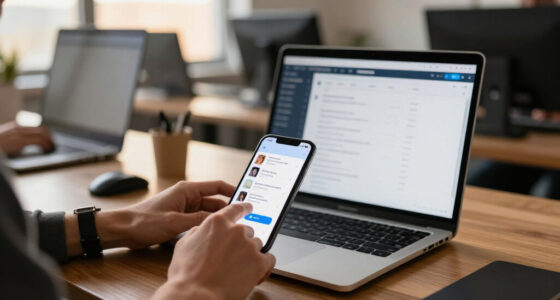
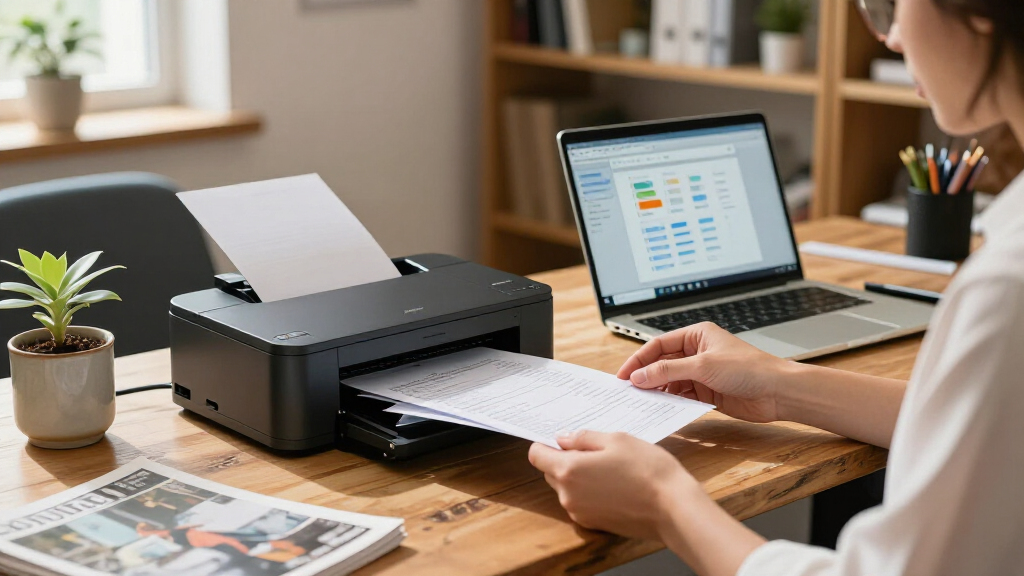
The proposed app would let an employee photograph a stack of documents with a phone. Optical character recognition would read the pages, while software would suggest a document category and filename—for example, identifying an invoice and adding its date and vendor—and save searchable PDFs to a shared folder. The goal is to make scanned records easier to find than unsorted image files.
IdeaNavigator AI frames the idea for office managers in small organizations that handle intake forms, invoices and records but may lack dedicated IT staff. Its proposed business model is a per-seat monthly subscription with a page limit and additional charges for use above that cap. Those are product and pricing suggestions, not reported features or terms of an existing service.
To test demand, the proposal calls for giving five offices a one-week pilot, with each scanning a real backlog of 200 documents. The suggested measures are how often the app classifies documents correctly and whether offices would pay per seat. No pilot data, accuracy results, pricing responses or customer feedback are provided.
Filing Work Is the Test
The idea addresses a specific administrative burden: paper records can occupy filing cabinets while remaining difficult to search, and a basic scanning app may produce files without useful labels or extracted information. If automated naming and classification work reliably, a small office could spend less time sorting scans and searching for individual records. That is the intended benefit, not a demonstrated outcome.
The proposal’s pilot design focuses on whether the workflow is useful under ordinary office conditions. Scanning 200 documents per office would expose the system to a practical batch rather than a handful of prepared examples. Measuring classification accuracy alongside willingness to pay could help distinguish technical performance from commercial interest: an app might read documents well but still fail to fit staff routines or budgets.
For organizations handling sensitive records, usefulness also depends on how documents are stored and accessed. Searchable files in a shared folder could make retrieval easier, but the proposal does not describe permissions, retention practices, encryption, or how the app would handle confidential information. Those questions would matter before offices move records into a new system.
document scanner app for small offices
As an affiliate, we earn on qualifying purchases.
As an affiliate, we earn on qualifying purchases.
From Phone Scans to Searchable Files
The proposal describes a narrow first use rather than a broad document-management platform: photograph paper, recognize text, suggest a category and filename, then save the result as a searchable PDF. It points to on-device and API-based OCR and layout-aware models as technologies that may support this workflow at lower cost than in the past. No specific technology provider, model, benchmark or cost estimate is named, so the feasibility and performance of a particular implementation remain unverified.
Its central comparison is with generic scanning apps that, according to the proposal, can leave users with unsorted images and little useful naming or extracted data. The suggested product would add organization at the point of scanning. The recommendation to begin with a small, real-world pilot is a proposed validation method; there is no evidence in the material that the test has been scheduled, conducted or independently assessed.
portable document scanner with OCR
As an affiliate, we earn on qualifying purchases.
As an affiliate, we earn on qualifying purchases.
Pilot Results Are Not Available
No product launch, participating offices or pilot findings are reported. The suggested classification test has no stated success threshold, and the proposal does not define how errors would be measured across different document types, handwriting, image quality or page layouts. It also provides no evidence about how often users would need to correct suggested filenames or categories.
Other practical details remain unspecified: subscription prices, page caps, overage rates, supported file systems, integration with existing office software and the handling of sensitive records. The proposal’s claim that OCR and layout-aware tools are now affordable and accurate enough for the task is not backed here by named benchmarks or cost data. It is not yet clear whether offices would accept phone-based capture as a routine process or prefer dedicated scanners and existing filing systems.
searchable PDF scanner for business
As an affiliate, we earn on qualifying purchases.
As an affiliate, we earn on qualifying purchases.
Testing Accuracy and Demand
The next step proposed by IdeaNavigator AI is a one-week trial across five small offices, with each organization scanning 200 documents from its existing backlog. A useful account of that test would report the document mix, the definition of a correct classification, the rate of staff corrections and the results for different page conditions, rather than giving a single accuracy figure without context.
The pilot would also need to test whether users consider the workflow worth paying for. The proposal suggests asking about per-seat willingness to pay, but it gives no timetable, recruitment plan or target price. Until those details and results are available, the concept remains an unvalidated product proposal rather than evidence that the tool saves time or has a viable subscription market.
Source: IdeaNavigator AI
office document classification software
As an affiliate, we earn on qualifying purchases.
As an affiliate, we earn on qualifying purchases.
Key Questions
Has the scanner app launched?
No launch is reported. The material describes a product idea and a proposed pilot, not an available service.
What would the proposed app do?
Users would photograph documents with a phone. The app would recognize text, suggest a document type and filename, then save searchable PDFs in a shared folder.
Who is the proposed tool for?
The idea is aimed at office managers in small nonprofits, clinics and law offices that handle paper records and may not have dedicated IT staff.
What would the pilot measure?
The suggested one-week pilot would involve five offices scanning 200 documents each. It would measure classification accuracy and whether offices would pay per seat; no results are reported.
What is still unknown?
There are no reported accuracy results, customer commitments or prices. The proposal also leaves data security, privacy, integrations and document-retention practices unspecified.
Source: IdeaNavigator AI
Halloween Picks
halloween
As an affiliate, we earn on qualifying purchases.