
TL;DR

Get business pricing on monitors, keyboards and dev gear
- Business-only prices and quantity discounts
- Tax-exempt purchasing
- Multiple users, one account, clear invoices
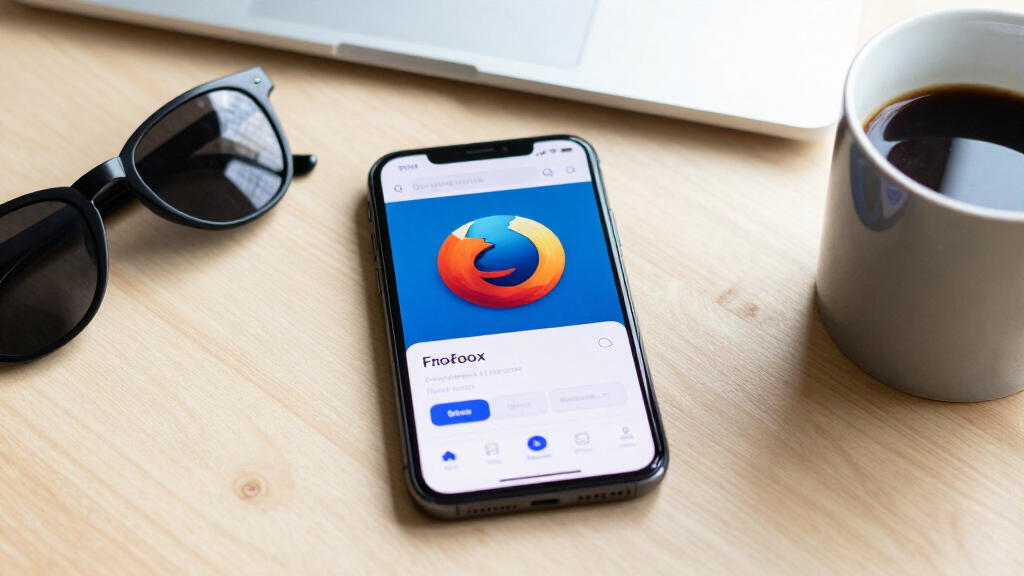
Mozilla has announced the release of an ad blocker for Firefox on iOS, enabling users to block ads directly within the browser. This development aims to enhance privacy and browsing speed, reflecting a broader trend toward integrated ad-blocking tools on mobile platforms.
Mozilla has introduced a dedicated ad blocker for the Firefox browser on iOS, marking a significant update aimed at improving user privacy and browsing efficiency. The feature is now available to all Firefox users on iPhone and iPad, allowing them to block intrusive ads directly within the app. This move aligns with increasing user demand for better privacy controls on mobile devices and reflects a broader industry trend toward integrated ad-blocking solutions.
The new ad blocker for Firefox on iOS was officially announced by Mozilla in March 2024. It is designed to block unwanted advertisements, trackers, and other intrusive content, providing a faster and more private browsing experience for iOS users. Unlike previous third-party ad blockers that required separate apps or configurations, this feature is built directly into the Firefox browser, offering seamless integration and ease of use.
According to Mozilla, the ad blocker uses a combination of filter lists and privacy protections to prevent ads from loading on websites. Users can enable or disable the feature through browser settings, with options to customize the level of blocking. Mozilla emphasizes that the tool is designed to strike a balance between blocking intrusive ads and allowing legitimate content to load, aiming to improve overall user experience.
While the feature has been rolled out globally, it is initially available in the latest version of Firefox for iOS, with Mozilla planning to refine and expand its capabilities based on user feedback. The company has not disclosed specific technical details about the filter lists or underlying technology but confirms the feature’s core function is to enhance privacy and reduce page load times.
Implications for Mobile Privacy and Browsing Speed
The introduction of an integrated ad blocker in Firefox on iOS is a notable development in mobile privacy. It empowers users to control the content they see and reduces exposure to trackers, aligning with broader industry efforts to improve online privacy. Additionally, blocking ads and trackers can significantly speed up page load times and decrease data consumption, which is particularly relevant for users on limited mobile plans.
This move also signals a shift in how browser developers approach privacy, moving from optional third-party extensions to built-in features. For Mozilla, this reinforces its position as a privacy-focused browser provider and may influence competitors to follow suit. For users, it offers a more streamlined and secure browsing experience without the need for additional apps or complicated configurations.
However, the impact on the advertising industry and publishers remains uncertain, as widespread ad blocking could affect revenue models dependent on ad impressions. The balance between user privacy and content monetization continues to be a key issue in the digital ecosystem.
iOS compatible ad blocker for Firefox
As an affiliate, we earn on qualifying purchases.
As an affiliate, we earn on qualifying purchases.
Growing Demand for Built-In Mobile Ad Blocking
The trend toward integrated ad blocking on mobile devices has gained momentum over recent years, driven by increasing concerns over privacy, intrusive ads, and slow browsing speeds. Major browsers like Safari and Chrome have introduced some form of ad or tracker blocking, but many users still rely on third-party extensions or standalone apps to achieve comprehensive ad blocking on iOS and Android.
Mozilla’s move to embed an ad blocker directly into Firefox on iOS aligns with this trend, reflecting a broader industry shift. The timing coincides with rising public awareness of privacy issues and regulatory pressures on online advertising. While the exact trigger for this specific feature launch remains unconfirmed, interest in privacy tools on mobile platforms has been spiking, suggesting strong user demand.
Prior to this, Firefox on iOS primarily relied on standard tracking protections, but the new feature marks a step toward more proactive ad blocking. Other browsers and tech companies are expected to follow suit, either by developing their own solutions or integrating third-party tools.
As an affiliate, we earn on qualifying purchases.
Unconfirmed Details About Technical Implementation
Specific technical details about the filter lists, underlying technology, or whether the ad blocker uses proprietary or third-party solutions have not been disclosed by Mozilla. It is also unclear how the feature will evolve over time, including potential updates or customization options. Additionally, the full extent of its impact on ad revenue for publishers remains uncertain, as the feature is newly launched and user adoption rates are still unknown.
As an affiliate, we earn on qualifying purchases.
Next Steps for User Adoption and Industry Impact
Mozilla is expected to monitor user feedback and usage data to refine the ad blocker feature in subsequent updates. The company may also expand its capabilities or offer additional customization options based on early user experiences. Industry observers anticipate other browser developers might introduce similar features, potentially leading to broader shifts in mobile privacy and advertising practices. Meanwhile, publishers and advertisers are likely to reassess their strategies in response to increased ad blocking on mobile platforms.
As an affiliate, we earn on qualifying purchases.
Key Questions
How do I enable the ad blocker in Firefox for iOS?
Open Firefox on your iOS device, go to Settings, then Privacy & Security, and toggle the ad blocker option to enable or disable it.
Will this ad blocker affect my browsing speed?
According to Mozilla, blocking ads and trackers can improve page load times and reduce data usage, especially on mobile networks.
Does this feature block all ads on websites?
The ad blocker uses filter lists to block intrusive and unwanted ads, but some legitimate ads may still load depending on user settings and filter configurations.
Is this ad blocker available in all regions?
The feature has been rolled out globally with the latest Firefox for iOS update, but availability may vary based on app store regions and device compatibility.
Will this impact websites that rely on ad revenue?
Yes, widespread ad blocking can reduce revenue for publishers, which is a broader industry concern. Mozilla emphasizes user control, not complete ad elimination, but the impact remains uncertain.
Source: hn
Halloween Picks
halloween
As an affiliate, we earn on qualifying purchases.