
TL;DR

Get business pricing on monitors, keyboards and dev gear
- Business-only prices and quantity discounts
- Tax-exempt purchasing
- Multiple users, one account, clear invoices
Meta is repurposing older RAM modules in its latest server deployments, utilizing a custom bridge chip to facilitate compatibility. This approach aims to cut costs and improve resource utilization. The full impact and technical details are still emerging.
Meta is repurposing older RAM modules in its latest server hardware, using a specially designed custom bridge chip to make these modules compatible with new server architectures. This move aims to reduce costs and improve resource utilization amid increasing infrastructure demands, according to company sources.
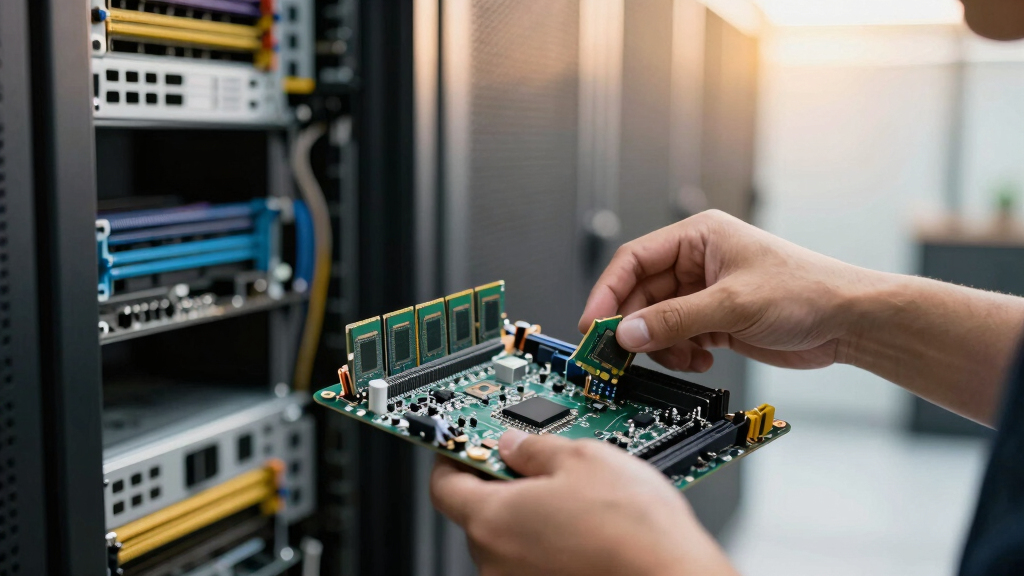
According to Meta, the company is integrating previously used RAM modules into its new server systems, facilitated by a custom bridge chip designed specifically for this purpose. The bridge chip acts as an intermediary, translating signals and ensuring compatibility between older RAM and the latest server hardware. This approach is part of Meta’s broader effort to optimize infrastructure costs and reduce electronic waste.
While Meta has not disclosed specific technical specifications, sources suggest that this strategy could significantly lower the cost of server deployment, especially as data center expansion accelerates. The company has also indicated that performance remains within acceptable thresholds, though detailed benchmarks are not yet available.
Potential Cost Savings and Resource Optimization
This development could signal a shift in how large tech companies manage hardware lifecycle and costs. By reusing existing RAM modules, Meta aims to cut expenses associated with new hardware procurement and reduce electronic waste. If successful, this approach might influence industry standards for server hardware recycling and sustainability.
server RAM compatibility bridge chip
As an affiliate, we earn on qualifying purchases.
As an affiliate, we earn on qualifying purchases.
Meta’s Infrastructure and Hardware Recycling Strategies
Meta has been expanding its data center capacity to support its growing social media and metaverse platforms. Previously, the company has explored various hardware efficiency measures, including custom chips and energy-saving techniques. The reuse of RAM modules, enabled by a custom bridge chip, aligns with broader industry trends toward sustainability and cost reduction in data center operations.
This initiative follows similar efforts by other cloud providers to extend hardware lifespan and optimize resource use, though Meta’s specific use of a custom bridge chip for RAM compatibility is a novel approach.
“Reusing older RAM modules with our custom bridge chip allows us to optimize our infrastructure costs while maintaining performance standards.”
— Meta spokesperson
As an affiliate, we earn on qualifying purchases.
Technical Details and Performance Impact Still Unclear
It is not yet clear how this reuse impacts overall server performance, reliability, or lifespan. Specific technical specifications of the custom bridge chip and its compatibility limits are still undisclosed. Additionally, the long-term effects of using recycled RAM in high-demand environments remain to be seen.
As an affiliate, we earn on qualifying purchases.
Further Testing and Industry Adoption Expected in 2024
Meta is expected to conduct extensive testing of these reconfigured servers before broader deployment. Industry observers will watch for performance benchmarks and reliability data. If successful, other data center operators may adopt similar hardware reuse strategies, potentially influencing industry standards for sustainable infrastructure.
As an affiliate, we earn on qualifying purchases.
Key Questions
Why is Meta reusing old RAM in new servers?
Meta aims to reduce costs and electronic waste by repurposing existing RAM modules, facilitated by a custom bridge chip that ensures compatibility with new server hardware.
How does the custom bridge chip work?
The bridge chip acts as an intermediary, translating signals between older RAM modules and the latest server architectures, enabling compatibility without replacing hardware.
Will this impact server performance?
Meta claims performance remains acceptable, but detailed benchmarks and long-term reliability data are not yet available, so the full impact is still uncertain.
Could this approach become industry standard?
If proven successful, this strategy could influence other companies to adopt hardware reuse practices, especially as sustainability becomes a higher priority in data center management.
What are the environmental benefits of reusing RAM?
Reusing existing hardware components reduces electronic waste and minimizes the environmental footprint associated with manufacturing new hardware.
Source: hn
Halloween Picks
halloween
As an affiliate, we earn on qualifying purchases.