TL;DR

Get business pricing on monitors, keyboards and dev gear
- Business-only prices and quantity discounts
- Tax-exempt purchasing
- Multiple users, one account, clear invoices
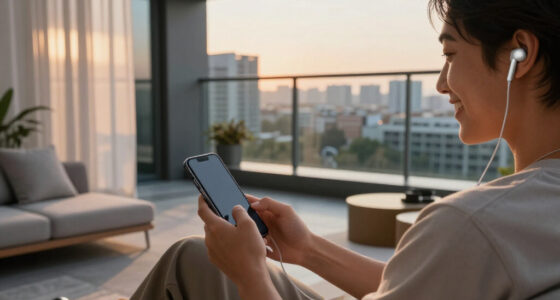
A webcam-based eye tracker is being developed to monitor blink rate and promote eye breaks for remote workers. Early testing suggests it could reduce eye strain and improve eye comfort during long screen sessions.
A new webcam-based eye wellness tracker is being tested to help remote workers combat dry eyes and fatigue during long hours at a laptop. The device uses on-device computer vision to estimate blink rate and screen distance, providing real-time nudges for eye breaks without transmitting video data externally. This development could offer a practical solution to the growing problem of digital eye strain among remote knowledge workers.
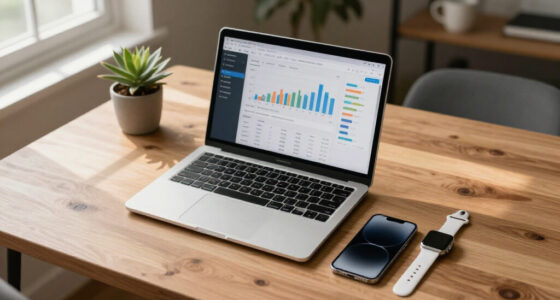
The proposed system involves an on-device webcam application that tracks blink rate and prompts users to take a 20-20-20 break—looking at something 20 feet away for 20 seconds—when blinking drops below a certain threshold. The app logs daily eye comfort scores and break adherence, aiming to create an objective measure of eye strain and promote healthier screen habits.
According to sources familiar with the project, the system is designed for individual users and small remote teams, with a subscription model. The initial phase involves a two-week pilot with twenty remote workers to assess whether the tool improves self-reported eye comfort and adherence to recommended breaks. The technology leverages existing webcam hardware and computer vision algorithms that do not send video data outside the device, addressing privacy concerns.
Potential Impact on Remote Work and Eye Health
This development could significantly improve the daily work experience for remote knowledge workers, who often spend more than eight hours daily on screens. By providing objective feedback on blink rate and encouraging regular breaks, the tracker may reduce symptoms of dry eyes, headaches, and fatigue. If successful, it could lead to broader adoption of screen wellness tools, contributing to healthier remote work environments and reducing long-term eye health issues.
Popular right now

Bose QuietComfort Ultra Earbuds (2nd Gen), Deep Plum

Ninja Foodi DZ201 8-Quart DualZone 6-in-1 Air Fryer

eufy E25 Robot Vacuum and Mop Combo with HydroJet Roller Mop
As an affiliate, we earn on qualifying purchases.
Growing Concern Over Digital Eye Strain in Remote Work
The shift to remote and hybrid work models has increased daily screen time for millions globally, intensifying concerns over digital eye strain. Researchers and health experts have highlighted symptoms like dry eyes, headaches, and blurred vision, which can impact productivity and well-being. Existing solutions largely rely on self-monitoring or manual reminders, which are often ignored or ineffective. The new webcam-based approach aims to provide an automated, objective way to monitor and manage eye health during prolonged screen use.
“Using on-device computer vision to estimate blink rate offers a privacy-conscious way to monitor eye health in real time.”
— an anonymous researcher
Uncertainties About Effectiveness and Adoption
It is not yet confirmed how effective the system will be in real-world settings or whether users will consistently follow break recommendations. The pilot results are pending, and long-term impacts on eye health remain to be established. Privacy and usability concerns could also influence adoption rates.
Next Steps in Validation and Deployment
The ongoing pilot involving twenty remote workers will provide initial data on the system’s effectiveness in improving eye comfort and break adherence. If results are positive, developers plan to refine the app and expand testing to larger user groups. Broader deployment could follow within the next year, depending on pilot outcomes and user feedback.
Key Questions
How does the webcam eye tracker work?
The system uses on-device computer vision algorithms to estimate blink rate and screen distance without transmitting video data externally, providing real-time prompts for eye breaks.
Will this technology be available for individual users?
Yes, the initial plan is to sell per-seat subscriptions to individuals and small remote teams, with a focus on improving personal eye health during long screen sessions.
Is this solution privacy-safe?
Yes, the system processes all visual data locally on the device, ensuring that no video or images are sent outside, addressing privacy concerns.
When will the full product be available?
Following the ongoing pilot, a broader rollout is expected within the next year, contingent on pilot success and user feedback.
Can this help prevent long-term eye damage?
While initial evidence suggests it could reduce immediate symptoms like dry eyes and headaches, long-term benefits are still under evaluation and require further research.
Source: IdeaNavigator AI