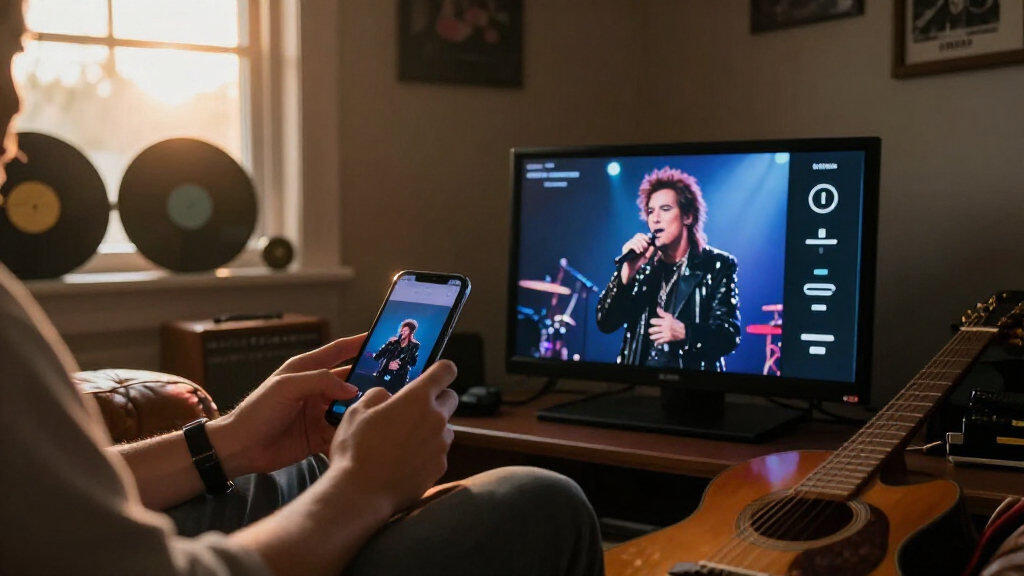

🔍 Read the full analysis: A Digital Ozzy, An AI Odyssey And The Limits Of Fan Acceptance on ThorstenMeyerAI.com

Get business pricing on monitors, keyboards and dev gear
- Business-only prices and quantity discounts
- Tax-exempt purchasing
- Multiple users, one account, clear invoices
TL;DR
An AI-generated Odyssey episode, renewed criticism of the planned Digital Ozzy avatar and an allegation involving A$AP Rocky’s music video put AI-made entertainment under scrutiny. The cases point to distinct concerns: audiences may accept AI when its use is disclosed, but consent, credit and perceived creative quality remain contested.
An AI-made Odyssey episode, a rock-star avatar project that has drawn fan backlash and an unanswered allegation about a music video have brought questions about AI and entertainment into focus this week. The cases involve different issues: the quality of generated work, how a performer’s likeness is used and whether creators receive credit.
On October 23, the Grok Imagine account on X posted a roughly seven-minute video it called Episode 1 of our Odyssey series, describing it as a creative collaboration with Wonder Studios and director Dev Walker. Elon Musk had said in July that Grok Imagine would produce a full-length, historically accurate version of Homer’s Odyssey before the end of 2026. The posted episode is not that promised full-length film.
In a TechCrunch review, Anthony Ha wrote that some moments could look like real actors at sea, but that the clip felt “completely airless.” The source reports that the post had received four million views at press time; it gives no comparison baseline for that count. The same source says Christopher Nolan’s live-action The Odyssey had grossed more than $1.78 billion worldwide, citing Rolling Stone.
Jack Osbourne said on October 21 that backlash to the planned Digital Ozzy avatar was “my own fault.” He acknowledged he had not been properly prepared to explain the project, after earlier describing ways the avatar might appear in commercial templates. Separately, VFX artist Cache Bunny alleged that A$AP Rocky’s Shroom Clouds video used his 2019 footage, altered with AI to show Rocky. The allegation had not received a published response from Rocky’s side in the supplied account.
What Fans Object To in AI Art
The cases suggest that “AI backlash” is not one dispute. The Odyssey episode was openly labeled as AI-made, yet the cited review criticized its execution. That response differs from the Digital Ozzy concern, where Jack Osbourne’s commercial-template comments helped fuel fears that a late performer’s likeness could be used to sell products. The video allegation, meanwhile, centers on credit and reuse of creative work; it remains an allegation, not an established finding.
For audiences, these distinctions matter because disclosure alone may not settle questions about whether a project feels worthwhile or whether people whose voices, images or footage are involved agreed to its use. For entertainment companies and rights holders, the cases highlight reputational risks around explaining permissions, attribution and intended uses before projects reach fans. They do not, by themselves, establish a single audience consensus or prove that all AI entertainment will be rejected.
The source also notes that the EU AI Act’s deepfake-disclosure rules took effect on August 2, 2026, with a lighter, non-intrusive disclosure duty for evidently artistic work. That regulatory backdrop makes clear labeling relevant, but it does not answer every dispute about consent, ownership or creative quality.
Popular right now

Ninja Foodi DZ201 8-Quart DualZone 6-in-1 Air Fryer

eufy E25 Robot Vacuum and Mop Combo with HydroJet Roller Mop

De'Longhi Stilosa Compact Manual Espresso Machine with Milk Frother
As an affiliate, we earn on qualifying purchases.
How This Week’s Disputes Began
The Odyssey dispute started before the AI episode appeared. After Nolan’s film was released, Musk criticized the casting of Lupita Nyong’o as Helen of Troy, according to Rolling Stone. Nolan called the casting criticism “irrelevant,” Deadline reported. Musk then promised a Grok-made, full-length version of the Homeric story. The October 23 post presented a short first episode, not a completed feature.
Digital Ozzy was announced May 20, 2026, at Licensing Expo in Las Vegas by Sharon and Jack Osbourne. The project, being developed with Hyperreal and Proto Hologram, was described as an interactive avatar built from Ozzy Osbourne’s voice, image and movement. Ozzy died on July 22, 2025, aged 76. Hyperreal’s chief executive said the material was curated, consented to and controlled by the family, according to Blabbermouth. Jack later said the project’s explanation had contributed to the backlash.
The music-video dispute followed the October 19 release of Shroom Clouds, whose credits listed AI artists, according to the supplied source. Cache Bunny’s accusation was reported October 24–26. The same week, Jay-Z told a crowd at SoFi Stadium to “question everything in this world of AI,” a warning about trust rather than a specific attack on an AI tool.
“The backlash, it was my own fault.”
— Jack Osbourne, speaking on the Great Company podcast
Unresolved Rights and Release Details
The supplied account does not establish whether Cache Bunny’s footage was used in Shroom Clouds or whether any use was authorized. The allegation was described as unanswered at the time of reporting; no response from Rocky’s side was included. The claim should not be treated as a confirmed finding.
The Digital Ozzy plan’s status is also unclear. It had been expected to appear in Proto Luma units in the UK and United States from late summer, but the source says that planned debut had not happened. It does not provide a revised launch date or detail exactly how the avatar’s commercial uses would be limited. The source also does not report a completed full-length Grok Imagine film or an outcome of the Elvis Presley rightsholders’ separate lawsuit against Anthropic, which alleges use of 274 songs.
What to Watch in the Projects
The immediate questions are whether the Digital Ozzy avatar receives a new release timetable and clearer terms on its uses, and whether Rocky’s representatives or the video’s creators respond publicly to Cache Bunny’s allegation. Any response or evidence about the footage would help clarify a dispute that remains unresolved in the supplied reporting.
For Grok Imagine, the milestone to watch is whether xAI delivers the full-length film Musk promised before the end of 2026, and whether it addresses the quality criticism in its short episode. More broadly, future announcements will show whether entertainment teams explain consent, credit and intended use up front. The events reported so far establish the disputes and some of the public reactions, but not a final verdict on the projects or on fan acceptance of AI-made entertainment.
Key Questions
Did Grok Imagine release a full-length Odyssey film?
No. On October 23, the Grok Imagine account posted a roughly seven-minute episode. Elon Musk had promised a full-length film before the end of 2026, but the supplied account does not report that it has been released.
Why did Jack Osbourne say the Digital Ozzy backlash was his fault?
He said on the Great Company podcast that he was not properly prepared to explain the project. His earlier remarks about placing the avatar in commercial templates prompted concern among fans about commercial use of his late father’s likeness.
Is the A$AP Rocky video allegation confirmed?
No. VFX artist Cache Bunny alleged that the video reused his 2019 footage with Rocky substituted through AI. The account says the allegation had not received a published response from Rocky’s side, and it does not establish whether the footage was used or authorized.
What does the EU AI Act require for deepfakes?
According to the supplied source, rules effective August 2, 2026, require deployers to disclose deepfakes, with a lighter, non-intrusive duty for evidently artistic work. The rules do not, on their own, resolve disputes over consent, credit or creative merit.
Source: ThorstenMeyerAI.com