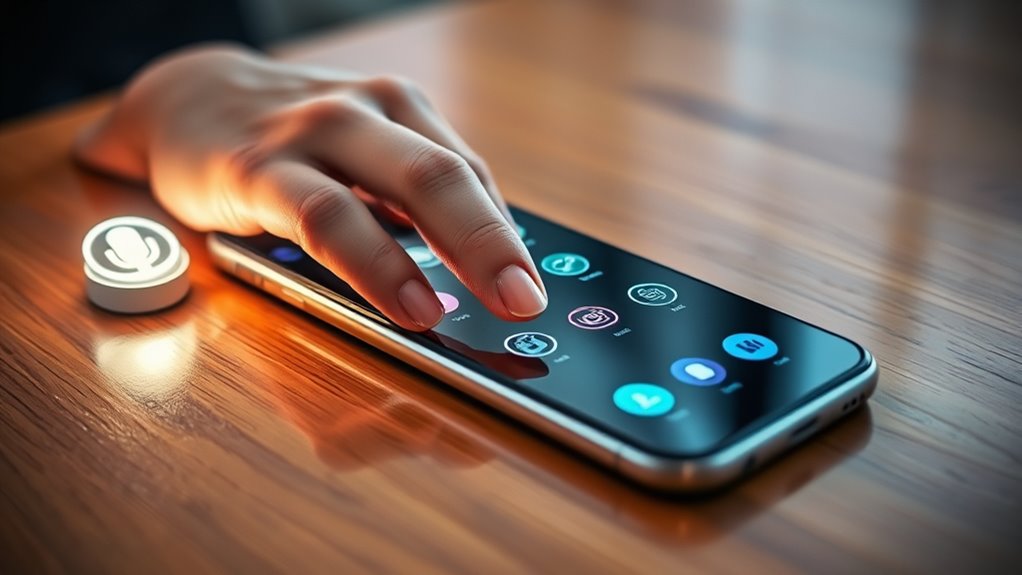

When designing biometric UX for face, voice, and touch, focus on creating seamless, secure, and inclusive experiences. Use clear communication about how data is stored and protected to build trust, while offering alternative options like passcodes for accessibility. Consider customization to accommodate different needs and conditions. By addressing privacy concerns and ensuring reliability across diverse users, you’ll develop interfaces that are both user-friendly and trustworthy—more insights await if you explore further.
Key Takeaways
- Prioritize seamless integration of face, voice, and touch authentication methods to enhance user convenience and security.
- Ensure transparency about data storage, processing, and security measures to build user trust.
- Incorporate fallback options like passcodes or security questions for users with accessibility challenges.
- Test biometric features across diverse populations to address privacy and accessibility needs effectively.
- Balance security, privacy, and usability by customizing authentication preferences and minimizing data exposure.
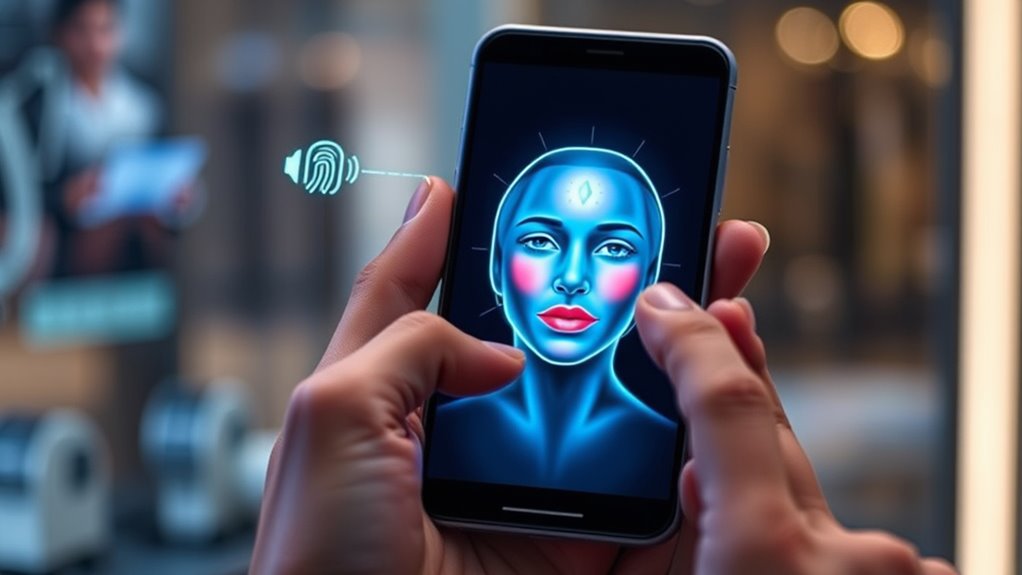
Biometric UX focuses on creating seamless and secure user experiences by integrating biometric authentication methods like fingerprint scans, facial recognition, and voice commands. As you design these interactions, you must consider the potential privacy concerns that users have. People are increasingly wary of how their biometric data is stored and used, so transparency becomes essential. Clearly communicate how biometric information is secured, stored, and protected from misuse or breaches. Implementing encryption and local data processing can help assuage fears, but you must also stay compliant with privacy regulations like GDPR or CCPA. If users don’t trust that their biometric data is safe, they might avoid using your product altogether, undermining both security and user satisfaction. Additionally, understanding the horsepower of biometric systems can help you evaluate their performance and reliability in different contexts.
Prioritize transparency and security to build trust in biometric authentication and protect user privacy.
Accessibility challenges also play a vital role in biometric UX design. Not everyone’s biometric features are the same, and some users might face difficulties with specific authentication methods. For example, individuals with certain disabilities or injuries may find fingerprint scans or facial recognition less effective or even impossible. Voice commands can be hindered by speech impairments or environmental noise. To accommodate these users, you should offer alternative authentication options or multi-modal solutions. Providing options like passcodes, security questions, or traditional login methods ensures everyone can access your service comfortably. You must also test biometric features across diverse populations to identify potential barriers and optimize inclusivity.
When designing with biometric UX, you need to balance security, privacy, and accessibility. This means choosing authentication methods that are both user-friendly and resilient against fraud. For instance, facial recognition might be quick and intuitive, but it can struggle in poor lighting conditions or with identical twins. Fingerprint scans are reliable but may be problematic for users with worn fingerprints or skin conditions. Voice commands offer convenience but can be affected by background noise or speech impediments. You should implement fallback options and allow users to select their preferred authentication method. This approach not only enhances accessibility but also builds trust, as users see that their needs and concerns are prioritized.
Ultimately, designing biometric UX involves understanding the nuances of user privacy and accessibility. Your goal is to create seamless, secure, and inclusive experiences that respect user privacy while accommodating individual differences. By doing so, you foster greater user confidence and engagement, making your product more reliable and trustworthy in a world increasingly concerned with digital security and personal data.

Digital Persona 88003-001U.are.u 4500 Reader 70" Cable
- Target Applications: Desktop PC, Mobile, Custom apps
- Usage Environment: Indoor, home, office use
- LED Indicator: Soft blue glow, unobtrusive
As an affiliate, we earn on qualifying purchases.
As an affiliate, we earn on qualifying purchases.
Frequently Asked Questions
How Do Biometric Systems Handle User Privacy Concerns?
You handle user privacy concerns by ensuring biometric systems prioritize data encryption and seek clear user consent. Implement strong encryption methods to protect biometric data during storage and transmission. Always inform users about how their data will be used and obtain explicit consent before collecting their biometric information. By being transparent and secure, you build trust and demonstrate your commitment to safeguarding user privacy in biometric interactions.
What Are the Best Practices for Designing Accessible Biometric Interfaces?
To design accessible biometric interfaces, you should prioritize inclusive design by offering multiple authentication options and clear instructions. Use simple, understandable language for user education, ensuring everyone knows how to use the system confidently. Incorporate visual, auditory, and tactile cues to accommodate diverse abilities. Test your design with real users to identify barriers and refine accessibility, making sure your biometric system is usable and welcoming for all users.
How Do Biometric Authentication Methods Perform in Low-Light or Noisy Environments?
Think of biometric authentication as a reliable guide, even when the environment throws a storm. In low-light or noisy settings, environmental robustness varies—face recognition may struggle in darkness, voice might falter amid noise. You can boost user adaptability by integrating multi-modal systems, allowing users to switch between methods seamlessly. This way, your biometric interface stays resilient, guiding users confidently regardless of environmental challenges.
What Are the Future Trends in Biometric UX Technology?
You’ll see biometric UX technology evolve with AI advancements, making authentication more accurate and adaptive. Wearable integration will become seamless, allowing you to access devices and services effortlessly through smartwatches, glasses, or other wearables. Future trends focus on improving speed, security, and convenience, enabling personalized experiences while reducing friction. Expect smarter, more intuitive biometric systems that anticipate your needs, enhancing how you interact with technology daily.
How Can Biometric UX Be Integrated With Multi-Factor Authentication Systems?
You can integrate biometric UX with multi-factor authentication by creating multi-factor synergy, combining biometrics like face, voice, or touch with other methods such as PINs or tokens. This approach enhances security layering, making unauthorized access much harder. You implement seamless biometric prompts alongside traditional factors, ensuring users experience smooth, secure authentication. By aligning biometric data with other authentication steps, you boost both security and user convenience effectively.

uAttend Touch-Free Voice Control and Facial Recognition Time Clock System for Employees and Small Businesses (DR2000)
- Touch-Free Time Tracking: Hygienic and efficient employee clock-in
- Premium Subscription Benefits: Secure backups, customizable reports, remote access
- Real-Time Attendance Monitoring: Manage schedules from any device
As an affiliate, we earn on qualifying purchases.
As an affiliate, we earn on qualifying purchases.
Conclusion
By understanding how to design seamless biometric interactions, you create a user experience that feels like gliding on a smooth, invisible bridge. Whether it’s your face, voice, or touch, these natural cues become your allies in building trust and ease. When you prioritize intuitive design, your users won’t just interact—they’ll connect effortlessly, turning complex technology into a gentle handshake. Ultimately, great biometric UX transforms screens into trusted friends guiding users with familiar, flowing gestures.
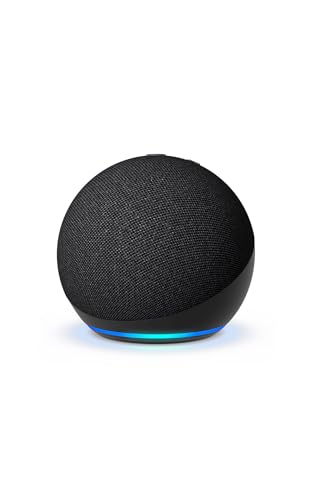
Amazon Echo Dot (newest model) – Vibrant sounding speaker, Designed for Alexa+, Great for bedrooms, dining rooms and offices, Charcoal
- Music and Content Playback: Stream music, audiobooks, podcasts via Bluetooth
- Voice Assistant Support: Ask Alexa for weather, timers, answers, jokes
- Smart Home Control: Manage smart devices with voice commands
As an affiliate, we earn on qualifying purchases.
As an affiliate, we earn on qualifying purchases.

TCL Palm Vein Smart Lock D1 Pro, Keyless Entry Door Lock for Front Door, Wi-Fi Keypad Deadbolt, App Control, Compatible with Alexa & Google Assistant, Rechargeable Battery
- Biometric Authentication: Palm vein recognition for secure access
- Multiple Access Methods: App, keypad, voice, key fob, and mechanical key
- Remote App Control: Manage access and view logs via Smart Life app
As an affiliate, we earn on qualifying purchases.
As an affiliate, we earn on qualifying purchases.