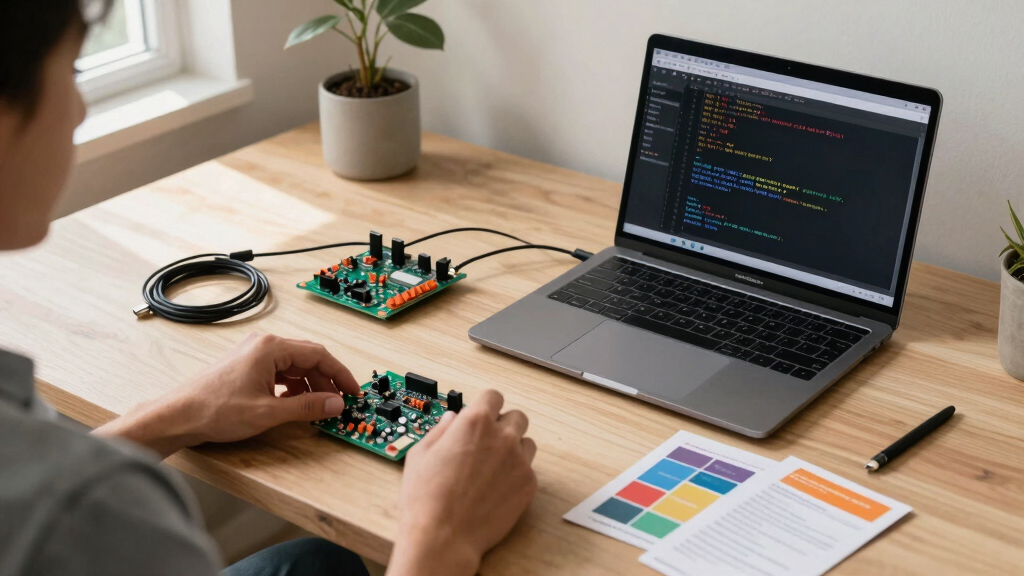

For anyone interested in learning programming, kits that combine hardware and software tutorials offer a hands-on approach to coding. The SunFounder Arduino UNO R3 Starter Kit stands out as the best overall choice, thanks to its comprehensive project guide and versatile components. The ELEGOO UNO Project Super Starter Kit is ideal for those seeking beginner-friendly tutorials and a solid foundation in Arduino-based projects. However, buyers face tradeoffs between depth of content, complexity, and price—more advanced kits often cost more but provide richer learning experiences. Keep reading for a detailed breakdown of the best programming language learning kits for 2026, tailored to different needs and skill levels.
Key Takeaways
- Most top kits blend hardware projects with programming tutorials to support practical learning.
- Arduino-based kits dominate the market, offering a strong foundation for beginners and hobbyists.
- More comprehensive kits tend to be pricier but include a wider array of sensors and components for advanced projects.
- Kits aimed at kids focus on simplicity and engaging projects, while those for teens and adults often include complex coding environments.
- The best kits balance ease of use, educational value, and expandability, but choosing the right depends heavily on the user’s skill level and goals.
| SunFounder Arduino UNO R3 Starter Kit with 42 Projects and Tutorials |  | Best Overall for Versatility and Comprehensive Learning | Compatibility: Arduino UNO R3 | Components: 250+ high-quality components including development board, LCD, motors, ultrasonic modules | Projects: 42 detailed projects with circuit diagrams and code | VIEW LATEST PRICE | See Our Full Breakdown |
| ELEGOO UNO Project Super Starter Kit with Tutorial and UNO R3 Board |  | Best for Beginners Seeking Structured Learning with Clear Tutorials | Board Compatibility: Arduino UNO R3, UNO R4, MEGA 2560 R3, NANO | Includes: Power supply module, 9V battery with DC connector, LCD1602 | Tutorial: PDF with over 22 lessons | VIEW LATEST PRICE | See Our Full Breakdown |
| ELEGOO Mega R3 Project Starter Kit with Tutorial |  | Best for Extensive Projects and In-Depth Learning | Components: Over 200 pieces | Compatibility: Arduino IDE | Tutorials: 35+ lessons | VIEW LATEST PRICE | See Our Full Breakdown |
| Horizon Uno Electronics Starter Kit with Video Lessons – Arduino-Compatible Board, Sensors, LEDs, Servos & More |  | Best for Visual Learners and Hands-On Beginners | Board: Horizon Uno (Arduino-compatible) | Components: Sensors, LEDs, Servos, Resistors, Jumper wires | Includes: Video lessons, online course access | VIEW LATEST PRICE | See Our Full Breakdown |
| Base Kit Computer Coding Game for Kids 8-12+ and Teens to Learn Code & Electronics |  | Best for Young Learners and Critical Thinking Development | Age Range: 8+ | Projects Included: Over 60 | Video Walkthroughs: 3.5 hours | VIEW LATEST PRICE | See Our Full Breakdown |
| LAFVIN Super Starter Kit for ESP32-S3-WROOM MicroPython and C Programming Learning Kit |  | Best for Hands-On MicroPython and C Programming Beginners | Programming Languages: MicroPython, C | Number of Projects: Over 70 | Includes: Tutorials, circuit connection diagrams, code examples | VIEW LATEST PRICE | See Our Full Breakdown |
| UNIHIKER K10 AIoT Starter Kit with 35+ STEM Projects |  | Best for All-in-One AIoT and STEM Project Enthusiasts | Screen: 2.8-inch color display | Connectivity: USB-C | Supported Programming: Block coding, C/C++ | VIEW LATEST PRICE | See Our Full Breakdown |
| Makeblock mBot Ranger 3-in-1 Robotics Kit for Kids Ages 8-12 |  | Best for Young Robotics Enthusiasts and STEM Beginners | Robot Shapes: Land Rover, Nervous Bird, Dashing Raptor | Supported Languages: Scratch, Arduino | Modules Included: Ultrasonic sensor, line-tracking sensor, gyroscope, RGB LEDs, etc. | VIEW LATEST PRICE | See Our Full Breakdown |
| Learn Robotics Programming: Build and Control AI-Enabled Autonomous Robots Using Raspberry Pi and Python |  | Best for Intermediate Robotics and AI Enthusiasts | VIEW LATEST PRICE | See Our Full Breakdown | |||
| The C Programming Language |  | Best for Deep Learning of Core C Programming | VIEW LATEST PRICE | See Our Full Breakdown |
More Details on Our Top Picks
SunFounder Arduino UNO R3 Starter Kit with 42 Projects and Tutorials
This kit stands out for its broad compatibility with both Scratch and C, making it suitable for a wide range of learners from absolute beginners to more experienced hobbyists. Unlike the ELEGOO Mega R3, which offers more advanced components, SunFounder balances simplicity with depth, providing detailed tutorials for 42 projects that foster practical skills. The large array of over 250 high-quality components supports diverse experiments, but it requires a degree of technical comfort to fully leverage all features. The inclusion of step-by-step guidance helps beginners, while the variety of projects appeals to those with intermediate skills. However, the absence of clear pricing details might make it harder to evaluate value upfront.
Pros:- Supports both Scratch and C programming languages
- Includes 42 detailed projects for hands-on learning
- Over 250 high-quality components for diverse experiments
Cons:- No specific price information provided
- Requires some technical knowledge to maximize use
Best for: Beginners and intermediate learners seeking a versatile kit that supports both block-based and text-based programming.
Not ideal for: Advanced users or those looking for a compact, portable kit, as the extensive components and setup may be overwhelming.
- Compatibility:Arduino UNO R3
- Components:250+ high-quality components including development board, LCD, motors, ultrasonic modules
- Projects:42 detailed projects with circuit diagrams and code
- Programming Languages:Scratch and C
Our verdict“This kit suits learners who want a comprehensive, adaptable platform that grows with their skills.”
ELEGOO UNO Project Super Starter Kit with Tutorial and UNO R3 Board
Compared with the SunFounder kit, the ELEGOO UNO Super Starter offers a slightly more beginner-oriented approach, emphasizing a PDF tutorial with over 22 lessons that guide users step-by-step through electronics fundamentals. While its components are high-quality and compatible with multiple Arduino boards—including UNO R4 and MEGA 2560 R3—the LCD1602 module does not come pre-soldered, which might slow beginners down. This kit is ideal for those who appreciate structured lessons, but it may not appeal to advanced users who want more complex projects. The inclusion of a power supply and battery makes it portable, yet some users might find the basic tutorial content limiting as they progress.
Pros:- Comprehensive starter kit with high-quality components
- Includes detailed PDF tutorials with over 22 lessons
- Compatible with multiple Arduino boards for flexibility
Cons:- Requires some basic knowledge to start effectively
- LCD1602 module does not come pre-soldered
Best for: Absolute beginners looking for a structured, guided introduction to electronics and programming.
Not ideal for: Experienced hobbyists or learners seeking advanced or highly customizable projects, as the content is primarily beginner-focused.
- Board Compatibility:Arduino UNO R3, UNO R4, MEGA 2560 R3, NANO
- Includes:Power supply module, 9V battery with DC connector, LCD1602
- Tutorial:PDF with over 22 lessons
Our verdict“This kit is best suited for newcomers who prefer step-by-step guidance to build confidence in electronics.”
ELEGOO Mega R3 Project Starter Kit with Tutorial
Compared to the smaller UNO-based kits, the ELEGOO Mega R3 Starter Kit packs more components—over 200—and offers a broader scope for projects, including modules like LCD1602 and GY-521 sensor. With over 35 tutorials, it provides a deeper learning experience, making it ideal for those who want to explore more complex electronics. The organized storage box simplifies project management, though some components may require soldering, which could challenge complete beginners. While lacking specific pricing or rating info, this kit appeals to learners ready for more involved building and coding exercises, but it might be less suitable for absolute novices or users seeking a compact setup.
Pros:- Includes over 200 components for diverse projects
- Detailed tutorials with over 35 lessons
- Organized packaging for easier storage
Cons:- Some components might require soldering
- No specific price information available
Best for: Intermediate learners eager to work on more complex projects with a larger component set.
Not ideal for: Total beginners or those with limited space, as the larger component count can be overwhelming and some soldering may be necessary.
- Components:Over 200 pieces
- Compatibility:Arduino IDE
- Tutorials:35+ lessons
- Included Modules:LCD1602, GY-521 sensor
- Packaging:Organized storage box
Our verdict“Ideal for hobbyists ready to advance beyond basic projects and explore more sophisticated electronics.”
Horizon Uno Electronics Starter Kit with Video Lessons – Arduino-Compatible Board, Sensors, LEDs, Servos & More
Compared with the more component-heavy kits like the ELEGOO Mega R3, the Horizon Uno kit emphasizes guided learning through comprehensive video lessons and online courses, making it especially suitable for visual learners. Its Arduino-compatible Horizon Uno board pairs with a variety of sensors, LEDs, and servos, offering a well-rounded introduction to electronics and coding. While the inclusion of multimedia instruction enhances understanding, reliance on internet access might limit use in offline environments. This kit is less suited for those who prefer reading detailed tutorials or advanced users seeking complex projects, but it excels for beginners seeking engaging, video-based learning.
Pros:- Includes step-by-step video lessons and online course access
- Comprehensive set with sensors, LEDs, and servos
- Arduino-compatible Horizon Uno board ensures ease of use
Cons:- Requires internet access for video lessons
- May be too basic for experienced electronics hobbyists
Best for: Beginners who learn best through video tutorials and want a straightforward electronics experience.
Not ideal for: Advanced students or hobbyists seeking highly customizable or complex project options, as the focus is on foundational skills.
- Board:Horizon Uno (Arduino-compatible)
- Components:Sensors, LEDs, Servos, Resistors, Jumper wires
- Includes:Video lessons, online course access
Our verdict“Perfect for beginners who prefer visual instruction and a guided, engaging introduction to electronics.”
Base Kit Computer Coding Game for Kids 8-12+ and Teens to Learn Code & Electronics
This kit is tailored for children and teens, offering over 60 projects that combine coding and electronics in an engaging way. Unlike the other kits, which focus more on detailed technical skills, this one emphasizes fun, hands-on activities that foster critical thinking and problem-solving. It supports multiple platforms—Windows, Mac, Chromebook—making it accessible, and includes online tutorials and support. While it lacks the depth of hardware complexity found in kits like the ELEGOO Mega R3, it’s perfect for introducing young learners to tech concepts in a safe, playful environment. The need for internet connectivity and occasional adapters for USB-C might be minor hurdles for some users.
Pros:- Over 60 projects combining coding and electronics
- Guided online tutorials and videos
- Compatible with multiple platforms without software installation
Cons:- Requires internet for tutorials and project completion
- Not suitable for tablets or smartphones
- May need an adapter for USB-C ports
Best for: Kids and teens aged 8-12+ seeking a friendly, game-based introduction to coding and electronics.
Not ideal for: Older students or advanced hobbyists looking for in-depth hardware projects or programming in languages beyond beginner level.
- Age Range:8+
- Projects Included:Over 60
- Video Walkthroughs:3.5 hours
- Compatibility:Windows, Mac, Chromebook
- Components:Electronic circuit components, programmable microcontroller, USB cable
- Software:Online access, no installation
Our verdict“This kit makes a great starting point for young learners to develop basic coding and electronics skills through fun projects.”
LAFVIN Super Starter Kit for ESP32-S3-WROOM MicroPython and C Programming Learning Kit
This kit stands out for offering over 70 tutorials that cover both MicroPython and C, making it ideal for learners who want practical, project-based experience. Compared with the Makeblock mBot Ranger, which focuses more on robotics and hardware interaction, this kit emphasizes programming fundamentals alongside electronics knowledge. The inclusion of detailed circuit diagrams and code examples supports self-paced learning, but it assumes users have basic electronics skills, which might be a hurdle for complete novices. The comprehensive approach makes it suitable for motivated learners looking to develop versatile coding skills, though it may be overwhelming for those without prior electronics background.
Pros:- Extensive tutorial projects facilitate hands-on learning
- Supports both MicroPython and C, providing programming flexibility
- Includes detailed circuit diagrams and code examples for clarity
Cons:- Requires some basic electronics knowledge to fully benefit
- No specific hardware specs listed, which could limit understanding of hardware capabilities
Best for: Students or hobbyists with some electronics experience aiming to learn embedded programming on ESP32 with practical projects
Not ideal for: Total beginners with no electronics background, as it requires prior basic knowledge to maximize the tutorials
- Programming Languages:MicroPython, C
- Number of Projects:Over 70
- Includes:Tutorials, circuit connection diagrams, code examples
Our verdict“This kit is best suited for intermediate learners eager to combine electronics with embedded programming on ESP32.”
UNIHIKER K10 AIoT Starter Kit with 35+ STEM Projects
The UNIHIKER K10 shines for its integrated design, combining a 2.8-inch color display, camera, microphone, and speaker into a single platform. This makes it ideal for users who want to create multi-faceted AIoT projects, especially with support for block coding and C/C++, bridging beginner and advanced programming levels. Compared to the Learn Robotics Programming book, which offers theoretical and coding insights into robotics, the K10 provides a ready-to-use hardware platform with structured projects that accelerate hands-on experimentation. Its plug-and-play modules simplify prototyping but may limit some project customization depending on hardware compatibility. The need for network access for AI features could also be a barrier for offline use.
Pros:- All-in-one design with integrated screen, camera, and audio modules
- Supports block coding and C/C++, accommodating different skill levels
- Includes numerous STEM projects for active learning
- Plug-and-play modules ease rapid prototyping
Cons:- Requires internet or cloud API access for full AI features
- Learning curve for complete novices unfamiliar with hardware or coding
- Hardware compatibility may restrict some project options
Best for: Students, makers, and educators seeking an all-in-one AIoT development environment with guided projects
Not ideal for: Complete beginners without basic programming or hardware familiarity, or users needing offline-only solutions
- Screen:2.8-inch color display
- Connectivity:USB-C
- Supported Programming:Block coding, C/C++
- Modules:Camera, microphone, speaker, sensors
- Interface:Solder-free Gravity connectors
- Projects Included:35+ STEM projects
Our verdict“This kit suits motivated learners wanting a versatile, integrated AIoT platform with varied project possibilities.”
Makeblock mBot Ranger 3-in-1 Robotics Kit for Kids Ages 8-12
The mBot Ranger offers flexible robotics with three distinct configurations—the land rover, self-balancing bird, and racing car—making it a versatile choice for young learners. Supporting Scratch and Arduino, it bridges beginner-friendly drag-and-drop coding with more advanced programming, similar to the SunFounder Arduino UNO R3 Starter Kit. However, the need for batteries and the complexity of assembly might pose challenges for younger children or those with limited patience. Its focus on robotics rather than pure programming makes it ideal for engaging students in engineering concepts, but it requires a compatible device for programming, which could be an extra step for some users.
Pros:- Supports multiple robot configurations for varied play
- Encourages learning through both Scratch and Arduino programming
- Includes diverse sensors and modules for rich experiments
- Promotes STEM skills through hands-on building and coding
Cons:- Batteries are not included, requiring additional purchase
- Assembly can be tricky for very young or inexperienced builders
- Requires a compatible device for programming
Best for: Children aged 8-12 interested in robotics, engineering, and introductory coding activities
Not ideal for: Older teens or adults seeking more advanced programming or electronics skills, as the focus is on basic robotics
- Robot Shapes:Land Rover, Nervous Bird, Dashing Raptor
- Supported Languages:Scratch, Arduino
- Modules Included:Ultrasonic sensor, line-tracking sensor, gyroscope, RGB LEDs, etc.
- Power Source:6pcs AA or lithium batteries (not included)
Our verdict“This kit is perfect for young kids starting their robotics journey with engaging, multi-configuration projects.”
Learn Robotics Programming: Build and Control AI-Enabled Autonomous Robots Using Raspberry Pi and Python
This book caters to learners who want to develop autonomous robots with AI capabilities using Raspberry Pi and Python. It offers detailed projects that blend robotics fundamentals with AI integration, moving beyond basic programming kits like the ELEGOO UNO Project Starter Kit. Unlike hardware-centric kits, this book emphasizes software skills, making it ideal for those interested in AI-driven robotics development. Its practical approach is suitable for those with some coding background, though it lacks detailed hardware specifications and might be less accessible for absolute beginners. For readers seeking guided, project-based learning in robotics with AI, this resource hits the mark.
Pros:- Offers hands-on projects for building autonomous robots
- Focuses on AI integration, adding depth to robotics learning
- Uses Raspberry Pi and Python, popular platforms for advanced robotics
Cons:- Lacks detailed hardware specifications, limiting hardware planning
- No customer ratings or pricing info available
Best for: Intermediate learners interested in applying Python and AI to robotics projects
Not ideal for: Complete beginners or those looking solely for hardware-focused kits without programming guidance
Our verdict“This resource is best for learners ready to explore AI-enabled robotics through Python programming on Raspberry Pi.”
The C Programming Language
This book remains the definitive guide for mastering C, covering essential programming concepts with clarity and depth. Compared to the LAFVIN Starter Kit, which offers hands-on electronics projects, this book is ideal for learners who want a thorough understanding of C syntax, data structures, and algorithm design. Its comprehensive coverage makes it less suitable for absolute beginners not prepared for dense technical content, but for serious students of programming, it offers unmatched depth. While it lacks the electronics or hardware focus of kits, it provides the foundational knowledge necessary for effective embedded or system programming.
Pros:- Authoritative and comprehensive resource for C
- Covers core concepts thoroughly, suitable for advanced learning
- Widely regarded as the definitive book on C programming
Cons:- Challenging for complete beginners
- Does not include hands-on electronics or hardware components
Best for: Serious learners seeking an authoritative, in-depth understanding of C programming fundamentals
Not ideal for: Absolute beginners with no prior programming experience, as the material can be dense and challenging
Our verdict“This book is best suited for learners committed to mastering C programming at a deep technical level.”
How We Picked
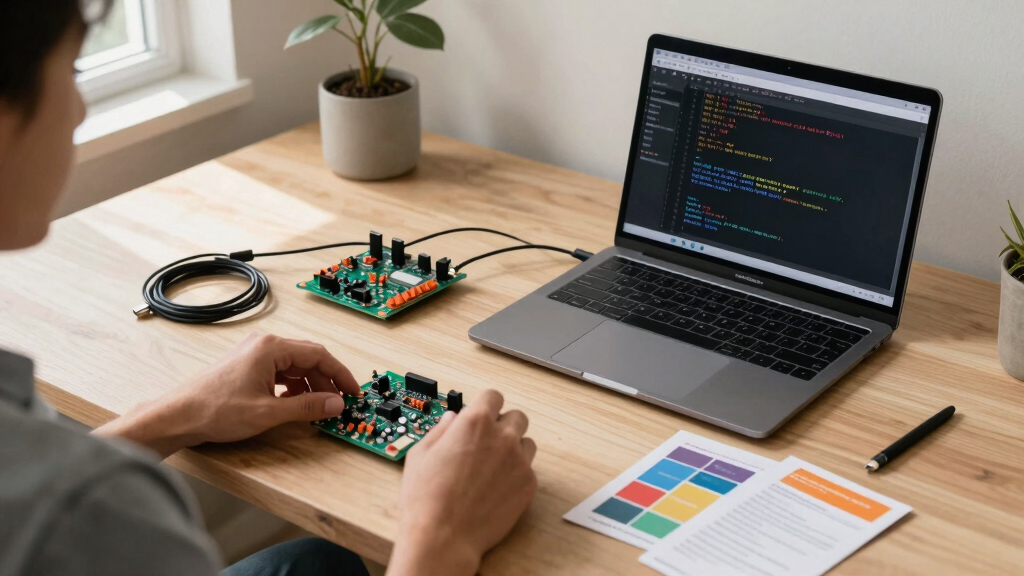
These kits were evaluated based on several key factors that matter to learners and educators alike. Performance was assessed through the variety and quality of components, ease of setup, and the clarity of included tutorials. Usability considered how accessible the kits are for beginners versus advanced users, including the complexity of projects. Build quality and durability of components influenced the overall value, while versatility was judged by compatibility with different programming languages and platforms. Price was also a factor, with the goal of recommending options that offer the best balance between cost and educational depth. Kits that provided extensive learning resources and community support scored higher in our ranking.Factors to Consider When Choosing Programming Language Learning Kits
Choosing the right programming language learning kit involves considering several important factors. First, assess your skill level—beginners need kits with simple tutorials and fewer components, while more experienced users may prefer kits that support complex projects. Compatibility with your preferred programming language, like Python or C++, is also critical. Budget is another key consideration; higher-priced kits typically include more features but aren’t necessary for all learners. It’s also worth evaluating the quality of the components and the availability of learning resources, such as tutorials and community support, to maximize your investment. Finally, think about how expandable the kit is—can you add more sensors or modules later to grow your skills?Skill Level and Learning Curve
Matching the kit to your experience ensures you stay motivated and avoid frustration. Beginners should look for kits with straightforward tutorials and minimal setup, while those with some coding experience might prefer more advanced options that include microcontrollers and diverse sensors. Overly complex kits can overwhelm beginners, leading to abandonment, so prioritize simplicity if you’re just starting out. Conversely, advanced learners should seek kits that challenge their coding and electronics skills to keep progressing.
Compatibility with Programming Languages
Not all kits support the same programming languages; some are optimized for Arduino with C++, while others focus on MicroPython or Python for Raspberry Pi. Your choice should align with the language you want to learn, especially if you have a specific project or career goal in mind. Compatibility also impacts the learning curve—more popular languages tend to have larger communities and more resources, making troubleshooting easier.
Project Scope and Educational Resources
Consider whether the kit’s projects cover the topics you’re interested in, such as robotics, sensors, or IoT. Kits with detailed tutorials, videos, and community forums help reinforce learning and troubleshoot issues. A wider project scope can accelerate your understanding of electronics and programming, but it may also increase complexity and cost. Balance your curiosity with your current skill level to pick a kit with an appropriate challenge level.
Budget and Expandability
While price is always a factor, investing in a slightly more expensive kit can provide better components and future growth potential. Look for kits that allow adding modules or sensors later, which enables you to extend your projects without buying entirely new kits. Avoid overly cheap options that might include low-quality components or limited tutorials, as this can hinder learning and durability.
Durability and Support
High-quality components prevent frustration from breakage during experiments. Check for kits with sturdy construction and reliable parts, especially if used by children or in classroom settings. Support options like thorough manuals, online tutorials, and active communities can significantly enhance your learning experience. A well-supported kit reduces downtime and helps you troubleshoot issues more effectively.
Frequently Asked Questions
Can I use these kits to learn programming from scratch?
Absolutely. Many kits are designed for beginners and include step-by-step tutorials to introduce fundamental concepts in programming and electronics. Starting with a simple Arduino or microcontroller kit helps build confidence and foundational skills, which can then be expanded with more complex projects. Just ensure the kit you choose is labeled as beginner-friendly and includes clear instructions.
Are these kits suitable for kids or only for adults?
Many programming language learning kits are tailored for kids, with simplified components and engaging projects to spark interest. For younger learners, look for kits with colorful parts, easy-to-follow tutorials, and safety features. Older children and teenagers can handle more advanced kits that introduce coding in Python or C++, often with more sensors and project options. Always consider the age recommendations provided by the manufacturer.
Is it necessary to know coding before using these kits?
While basic familiarity with coding can be helpful, most kits are designed to teach programming from scratch. They typically include beginner-friendly tutorials that introduce the necessary coding concepts alongside hardware assembly. If you’re new to coding, look for kits with comprehensive guides, visual programming options, or beginner tutorials to ease into the learning process without prior experience.
How do I choose between kits focused on Arduino versus Raspberry Pi?
Arduino kits are generally better suited for simple electronics projects and learning microcontroller programming in C++, making them ideal for beginners interested in hardware interaction. Raspberry Pi kits support more advanced projects involving full operating systems and languages like Python, suitable for learners interested in both hardware and software development. Your choice should depend on your specific interests: straightforward electronics or more complex, computer-based projects.
Are these kits compatible with online learning platforms or coding courses?
Many kits are compatible with online courses, tutorials, and platforms like Arduino IDE, MicroPython, or Raspberry Pi OS. Some manufacturers also provide dedicated online resources, forums, or app-based guides to supplement learning. Compatibility with popular coding environments ensures you can seamlessly integrate your hands-on projects with structured courses, enhancing your overall learning experience.
Conclusion
For absolute beginners, the SunFounder Arduino UNO R3 Starter Kit offers a balanced entry point with clear tutorials and versatile components. Those seeking value should consider the ELEGOO UNO Project Super Starter Kit, which provides great features at a competitive price. If you want a premium experience with extensive project options, the UNIHIKER K10 AIoT Starter Kit is a strong choice, especially for more advanced learners. For younger learners or educators, kits designed specifically for kids, like the Base Kit Computer Coding Game for Kids, deliver engaging, age-appropriate content. Ultimately, your choice should reflect your current skill level, goals, and budget, ensuring the kit you select supports your learning journey effectively.