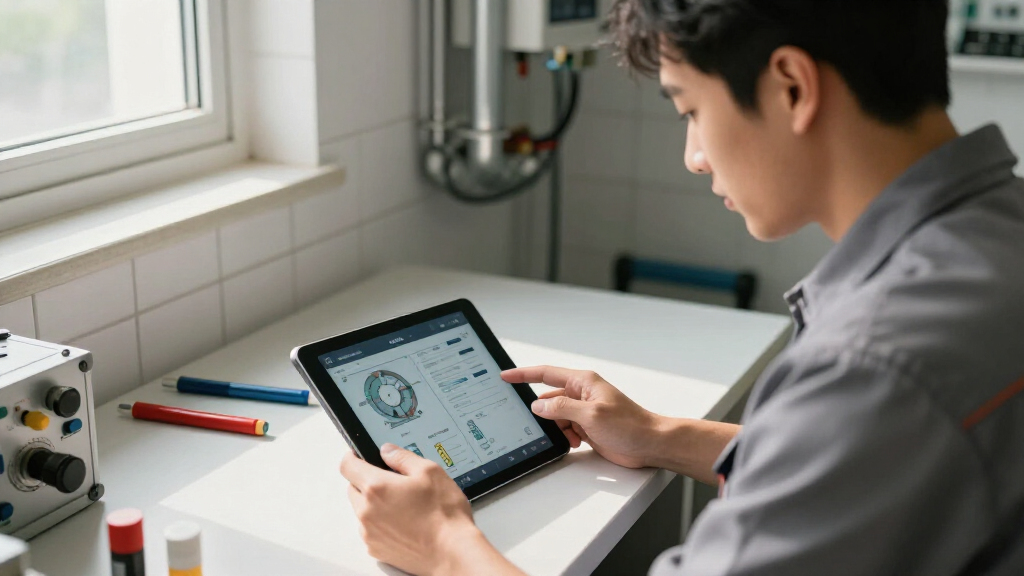

🔍 Read the full analysis: AI-Enhanced Plumbing & HVAC: Coordination Reimagined on ThorstenMeyerAI.com

Get business pricing on monitors, keyboards and dev gear
- Business-only prices and quantity discounts
- Tax-exempt purchasing
- Multiple users, one account, clear invoices
TL;DR
Gewerkton’s new AI-powered platform improves coordination between plumbing and HVAC trades, drastically reducing unplanned breakthroughs and rework. Confirmed features include real-time status tracking, precise shaft alignment, and digital documentation, with ongoing development in AI integration and user adoption.
Gewerkton’s new AI-enhanced platform is revolutionizing the coordination of plumbing and HVAC trades in building projects by providing real-time, integrated data to prevent unplanned breakthroughs and reduce rework. The platform’s initial deployment in a fictional case study demonstrates significant improvements in project efficiency and accuracy, marking a notable shift in construction workflows.
According to Thorsten Meyer, the platform integrates AI-driven digital documentation, real-time status updates, and precise shaft alignment checks, which together minimize costly on-site errors. In a simulated scenario, uncoordinated breakthroughs decreased from over 40 per project to fewer than five, and leak detection times dropped from two days to 20 minutes using the platform’s photo archive and digital mapping tools.
The platform’s core modules include the Studio, which tracks each breakthrough’s status from request to completion; the Field, which visualizes routing and collision data; and the Cloud, which manages ongoing operations and maintenance data. These components work together to ensure that wall photos, shaft alignments, and routing plans are synchronized before concrete pouring, reducing the need for costly rework and delays.
Thorsten Meyer notes that the platform’s structured equipment data supports post-handover maintenance and warranty management, creating ongoing value for building operators. Initial results suggest that the platform not only improves construction accuracy but also enhances operational workflows after project completion, potentially generating new revenue streams for contractors through better maintenance planning.
Impact of AI-Enhanced Coordination on Construction Efficiency
This development matters because it addresses long-standing inefficiencies in building services installation, particularly in plumbing and HVAC trades. Uncoordinated breakthroughs, rework, and delayed leak detection have historically increased costs and project durations. The AI-driven platform offers a solution by providing precise, real-time data and digital documentation, which can significantly reduce errors, improve margins, and accelerate project timelines.
Furthermore, the integration of AI into construction workflows aligns with broader industry trends toward digitalization and automation. If widely adopted, such platforms could reshape industry standards, improve quality, and reduce waste, ultimately benefiting contractors, operators, and end-users.
Popular right now

Samsung 65-Inch QN70FA Neo QLED 4K Smart TV with 8-Foot WireLogic Ruby Ultra High Speed HDMI Cable (2025)

Ninja CREAMi 7-in-1 Ice Cream Maker, NC301

Apple AirPods Pro 3 Wireless Earbuds with Active Noise Cancellation
As an affiliate, we earn on qualifying purchases.
Background on Traditional Coordination Challenges
Historically, plumbing and HVAC coordination in construction projects has involved manual planning, paper-based documentation, and on-site adjustments. Breakthroughs—such as wall cavities and shaft openings—were often requested via email or plans that were not always up-to-date, leading to frequent errors and rework. These issues caused delays, increased costs, and frustration among trades.
The industry has gradually adopted digital tools, but many rely on static plans and manual updates. The introduction of AI-powered platforms like Gewerkton’s aims to address these gaps by providing dynamic, integrated data and automated checks, thereby reimagining how trades coordinate during construction and post-occupancy phases.
Prior to this development, leak detection and maintenance planning depended heavily on manual inspections and wall-breaking, which were time-consuming and disruptive. The new platform’s digital documentation and AI capabilities promise to streamline these processes significantly.
“The platform’s integration of AI and digital documentation is a game-changer for construction coordination, drastically reducing unplanned breakthroughs and rework.”
— Thorsten Meyer
Unresolved Questions About Platform Adoption and Scalability
It is not yet clear how widely this AI-enhanced platform will be adopted across the industry, particularly among smaller firms or in regions with different standards. The case study is simulated, and real-world implementation may reveal unforeseen challenges in integration, training, and data management. Additionally, the long-term impact on project margins and operational workflows remains to be seen as more projects adopt the technology.
Next Steps for Industry-Wide Implementation and Validation
The next phase involves deploying the platform in live projects to validate its benefits and address integration challenges. Industry stakeholders will monitor performance metrics, such as reduction in uncoordinated breakthroughs, rework costs, and leak detection times. Broader adoption will depend on demonstrating tangible ROI, ease of use, and compatibility with existing workflows. Further development may include expanding AI capabilities for predictive maintenance and automated error detection.
Key Questions
How does the AI platform improve coordination between plumbing and HVAC trades?
The platform provides real-time status updates, digital documentation, and collision detection, which help trades coordinate more accurately before installation, reducing errors and rework.
What are the main benefits observed in the simulated case study?
Reductions in unplanned breakthroughs from over 40 to fewer than 5 per project, and leak detection times decreased from two days to 20 minutes.
Will this technology be accessible to smaller firms?
It is uncertain at this stage. Adoption depends on factors such as cost, ease of integration, and industry standards, which are still being evaluated during initial deployments.
What are the potential long-term impacts of AI in construction coordination?
Long-term impacts could include higher project accuracy, reduced waste, improved operational workflows, and new revenue opportunities through better maintenance management.
When will the platform be available for widespread use?
The platform is currently in ongoing deployment and testing phases, with broader industry rollout expected once initial validations confirm its benefits.
Source: ThorstenMeyerAI.com