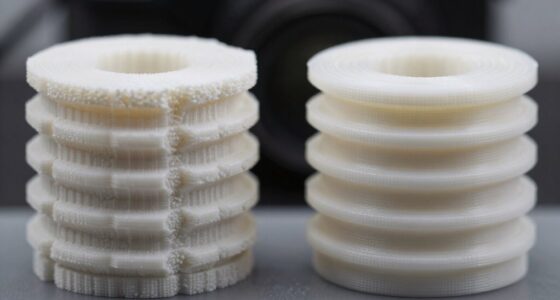

Deciding whether to prototype or jump straight into building depends on your project’s complexity and goals. Prototyping helps you test ideas, spot usability issues early, and avoid costly mistakes later. It’s especially useful for innovative or intricate features. If your goal is user-centered design, prototyping often brings better results and saves time. To make smarter choices about when to prototype, continue exploring how it can help you create products that truly meet user needs.
Key Takeaways
- Use prototyping to test complex or innovative features before investing heavily in full development.
- Opt for building the real thing when the idea is straightforward and confidence in feasibility is high.
- Incorporate prototyping early to gather user feedback and identify usability issues, reducing costly revisions later.
- Evaluate whether the benefits of prototyping outweigh costs and time, especially for high-risk or user-centered projects.
- Remember that prototypes are tools for learning; choose simple, low-fidelity versions for early validation.
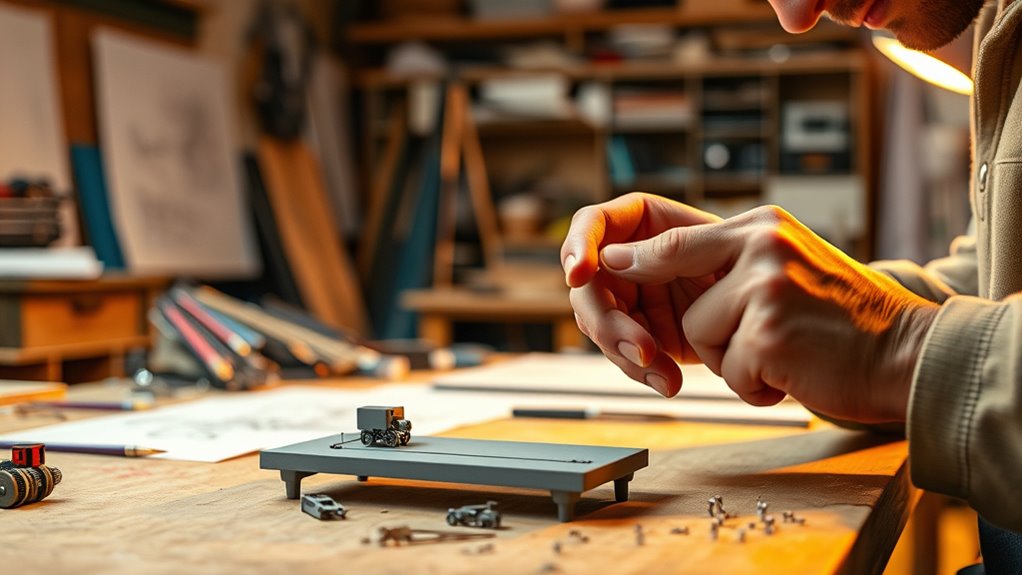
Have you ever wondered whether you should spend your time prototyping or leaping straight into building? It’s a common dilemma, especially when you’re eager to get your product into users’ hands. The decision isn’t just about speed; it’s about making smart choices that improve user experience while managing costs effectively. When you choose to prototype first, you gain valuable insights into how users interact with your idea without investing heavily upfront. This allows you to test assumptions, identify pain points, and refine features early on, all while keeping your costs under control. By creating low-fidelity prototypes—like sketches or wireframes—you can quickly gather feedback and understand what truly resonates with your audience. This approach minimizes the risk of building a product that doesn’t meet user needs or expectations, saving you from costly redesigns later.
On the other hand, leaping straight into building might seem faster on the surface, especially if you have a clear vision or limited time. However, skipping prototyping can lead to a disconnect between your product and user expectations, resulting in a poorer user experience. Without early testing, you might overlook essential features or usability issues, which could damage your brand’s reputation or lead to costly revisions down the line. Conducting a thorough cost analysis before deciding to build can help you evaluate whether investing resources into a prototype makes sense. If the project involves complex interactions or unfamiliar technology, prototyping can reveal challenges early, saving you money and time during development. Conversely, if your idea is straightforward, and you’re confident about the concept, leaping straight into building might be justified. Additionally, incorporating natural elements into your design process can inspire innovative solutions and enhance user engagement.
Ultimately, the choice hinges on your project’s scope and your goals. If creating a seamless user experience is a priority, prototyping offers an invaluable opportunity to test and iterate before committing significant resources. It’s a strategic move that balances cost analysis with user-centered design principles. Remember, a well-crafted prototype doesn’t have to be elaborate; it’s about learning what works and what doesn’t. This step can prevent costly mistakes, ensuring your final product aligns with user needs and expectations. So, before you plunge into full-scale development, consider whether prototyping might be the smarter route. It’s an investment that can pay off by delivering a more refined, user-friendly product without breaking the bank.
As an affiliate, we earn on qualifying purchases.
Frequently Asked Questions
How Do I Determine the Right Timing for Prototyping?
You should prototype when you need to validate your concept and assess risks early. If your idea is unclear or uncertain, prototyping helps with concept validation, reducing potential failures later. Wait until you’ve gathered enough feedback or identified key features before building a full version. Timing is right when the risk assessment shows that a prototype can clarify uncertainties and guide your development process efficiently, saving time and resources.
What Are Common Pitfalls in Early-Stage Building?
You risk sinking your project if you overlook common pitfalls like skipping design validation or misallocating resources early on. Don’t rush into building without testing ideas first, or you’ll pour time and money into something that might flop. Focus on validating your design at each stage, and allocate resources wisely. This approach guarantees you create a solid foundation, avoiding costly mistakes and setting yourself up for success.
How Does User Feedback Influence the Decision to Build?
User feedback plays a vital role in your decision to build a full product. It guides you to make iterative improvements, ensuring your solution truly meets user needs. When feedback highlights pain points or missing features, you can refine your prototype or decide to develop the real thing. By actively listening, you minimize risks, save resources, and increase the chances your final product resonates with users, making your build more strategic and effective.
What Costs Are Associated With Prototyping Versus Building?
You’ll find that prototyping typically costs less when considering resource allocation and overall expenses compared to building the full product. The cost comparison shows prototypes require fewer materials, less time, and simpler tools, making them a more affordable way to test ideas. Building the real thing demands more resources, higher development costs, and greater commitment, so you should weigh these factors carefully before deciding.
When Should I Consider Skipping Prototyping Altogether?
You should skip prototyping if your market is crystal clear and your idea is as solid as a rock, saving time and resources. If your resource constraints are tight and rapid deployment outweighs learning, jumping straight to building makes sense. When market readiness is obvious and you’re confident in your concept, skipping prototyping avoids the risk of delays, letting you hit the market faster and test the waters with minimal fuss.
wireframing software for UX design
As an affiliate, we earn on qualifying purchases.
As an affiliate, we earn on qualifying purchases.
Conclusion
Ultimately, deciding whether to prototype or build straight away is like choosing which path to take in a lush, winding forest. Sometimes, a gentle trail helps you see the way clearly, saving you from thorny surprises. Other times, venturing directly offers fresh vistas and quick breakthroughs. Trust your instincts to gently guide you through the foliage—knowing when to pause and when to press forward makes all the difference in turning your ideas into vibrant reality.
As an affiliate, we earn on qualifying purchases.
As an affiliate, we earn on qualifying purchases.