
Sustainable design fails when you ignore maintenance because innovative materials and aesthetic goals need ongoing care to stay effective and attractive. Without a plan for upkeep, eco-friendly features can quickly deteriorate, leading to damage, increased costs, and a loss of environmental benefits. Neglecting maintenance can also compromise the design’s visual harmony and purpose over time. Keep exploring to find out how you can prevent these issues and guarantee your sustainable projects succeed long-term.

Get business pricing on monitors, keyboards and dev gear
- Business-only prices and quantity discounts
- Tax-exempt purchasing
- Multiple users, one account, clear invoices
Key Takeaways
- Neglecting maintenance causes eco-friendly materials to degrade, reducing sustainability and increasing repair costs.
- Ignoring lifecycle planning leads to aesthetic decline and compromised design integrity over time.
- Without proper upkeep, innovative materials lose durability, undermining initial environmental and aesthetic goals.
- Lack of maintenance results in damage, deterioration, and higher waste, negating sustainability benefits.
- Focusing solely on initial design ignores long-term performance, risking failure of sustainable features.
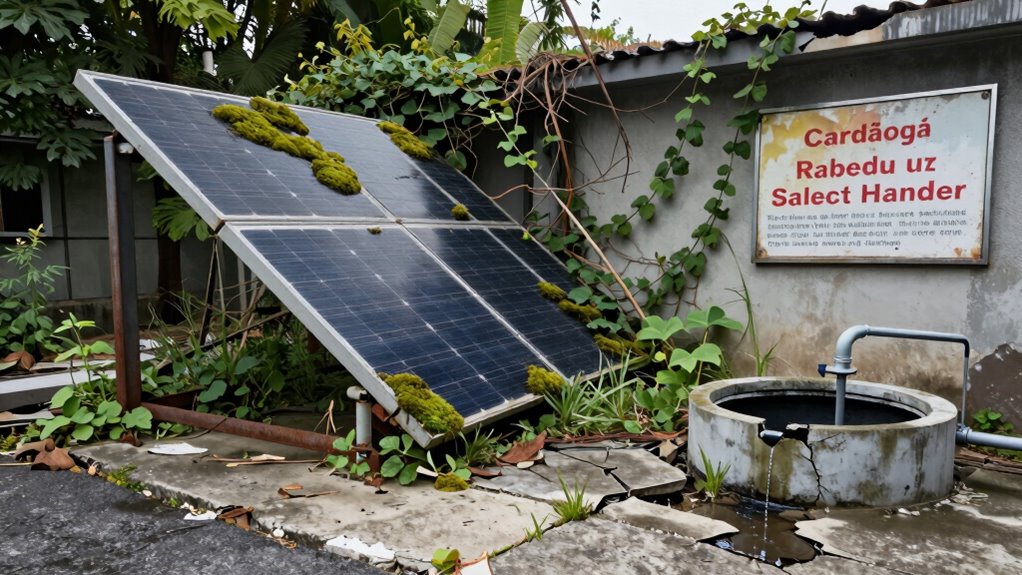
Have you ever wondered why some so-called sustainable design projects end up missing their mark? Often, it’s because teams focus too much on the initial vision—on innovative materials and aesthetic considerations—without planning for what happens after the project is completed. These projects emphasize cutting-edge materials that promise long-term durability or eye-catching designs that seem perfect at the start. But if maintenance isn’t integrated into the plan from the beginning, those innovative materials can quickly fall into disrepair, and the aesthetic appeal can fade faster than expected. This oversight turns what should be a sustainable achievement into a costly, short-lived failure.
When teams ignore maintenance, they overlook one crucial aspect of sustainability: the lifecycle of the design. It’s tempting to showcase innovative materials like recycled composites or bioplastics that look impressive and seem eco-friendly upfront. However, many of these materials require specific upkeep, specialized cleaning, or periodic replacement—details that can be easily forgotten during the design phase. Without a clear plan for ongoing maintenance, these materials become vulnerable to damage, weathering, or degradation. Proper maintenance planning can significantly extend the lifespan of sustainable features and ensure they continue to perform as intended. Additionally, recognizing potential maintenance challenges early on can help prevent costly repairs and deterioration. Incorporating sound healing science principles, for example, can also support the longevity of certain materials by promoting a healthier environment that reduces wear. The aesthetic considerations, which initially drew praise, can quickly become eyesores, undermining the project’s sustainability claims. What was meant to be a beautiful, environmentally responsible space ends up looking worn out or neglected.
You might think that choosing eco-friendly, innovative materials guarantees sustainability, but that’s only true if you consider their long-term care. Maintenance isn’t just about fixing problems; it’s about ensuring the design’s original intent remains intact over time. When maintenance is an afterthought, it’s often too late to prevent damage or deterioration. This neglect can lead to unnecessary repairs, increased waste, and higher costs—ironically, the very problems sustainable design aims to eliminate. The failure to plan for maintenance also risks compromising the aesthetic vision. Cracked surfaces, faded colors, or broken fixtures diminish the visual impact and erode the sense of harmony and purpose that the initial design sought to achieve. Proper maintenance planning is essential to uphold the durability and visual integrity of sustainable projects over their lifespan.
eco-friendly maintenance supplies
As an affiliate, we earn on qualifying purchases.
As an affiliate, we earn on qualifying purchases.
Frequently Asked Questions
How Does Ongoing Maintenance Impact Sustainable Design Longevity?
Ongoing maintenance considerably impacts the design lifecycle and material durability of sustainable projects. When you regularly care for and repair systems, you extend their lifespan, guaranteeing they perform efficiently over time. Without maintenance, materials degrade faster, reducing sustainability and increasing costs. By prioritizing ongoing upkeep, you preserve the integrity of your design, maximize its environmental benefits, and ensure long-term sustainability, making your project truly eco-friendly and resilient.
What Are Common Maintenance Challenges in Sustainable Buildings?
Think of sustainable buildings as a garden; neglecting maintenance leads to weeds of material degradation and structural issues. You’ll face challenges like timely structural inspections and managing wear and tear that threaten longevity. Regular upkeep is essential to catch problems early, preserve energy efficiency, and guarantee your building remains eco-friendly. Without consistent care, even the most innovative designs can falter, turning sustainability dreams into costly realities.
How Can Teams Better Plan for Maintenance From the Start?
You can better plan for maintenance from the start by integrating maintenance needs into your design process and prioritizing design integration. Include maintenance considerations in budget planning to guarantee funds are allocated for ongoing upkeep. Engage maintenance teams early in the design phase to identify potential issues and develop practical solutions. This proactive approach helps prevent future failures, extends the lifespan of sustainable features, and ensures your project remains environmentally and economically sustainable over time.
What Role Does Staff Training Play in Sustainable Maintenance?
Staff training plays a vital role in sustainable maintenance because it boosts staff awareness of best practices, preventing costly mistakes. When you implement effective training programs, your team stays informed about proper procedures, early problem detection, and energy-saving techniques. Without ongoing education, even the best-designed systems can falter. By prioritizing training, you guarantee your team is equipped to maintain sustainability standards, ultimately safeguarding your investment and reducing environmental impact.
Are There Technological Solutions to Simplify Sustainable Maintenance?
Yes, technological solutions like smart sensors and predictive analytics can simplify sustainable maintenance. Smart sensors continuously monitor systems, providing real-time data that helps you identify issues early. Predictive analytics analyze this data to forecast maintenance needs, preventing failures before they happen. By integrating these tools, you make maintenance more proactive and efficient, reducing waste and energy use, and ensuring your sustainable design performs at its best throughout its lifespan.
sustainable building materials cleaning
As an affiliate, we earn on qualifying purchases.
As an affiliate, we earn on qualifying purchases.
Conclusion
If you ignore maintenance, even the best sustainable design can fall apart. Studies show that buildings not properly maintained can waste up to 30% more energy over their lifespan. So, don’t overlook the ongoing care needed to keep your eco-friendly features working effectively. By prioritizing maintenance, you guarantee your sustainable investments truly pay off—saving money and reducing environmental impact in the long run. Remember, sustainability isn’t just about design; it’s about ongoing commitment.
As an affiliate, we earn on qualifying purchases.
recycled composite surface sealant
As an affiliate, we earn on qualifying purchases.
As an affiliate, we earn on qualifying purchases.
Fall Picks
fall essentials
As an affiliate, we earn on qualifying purchases.