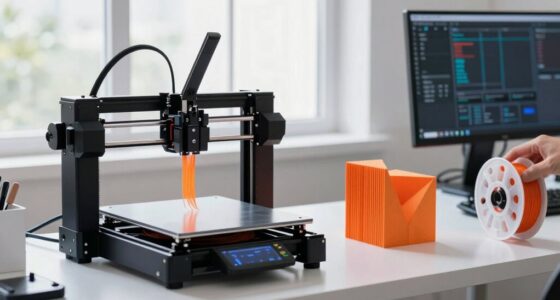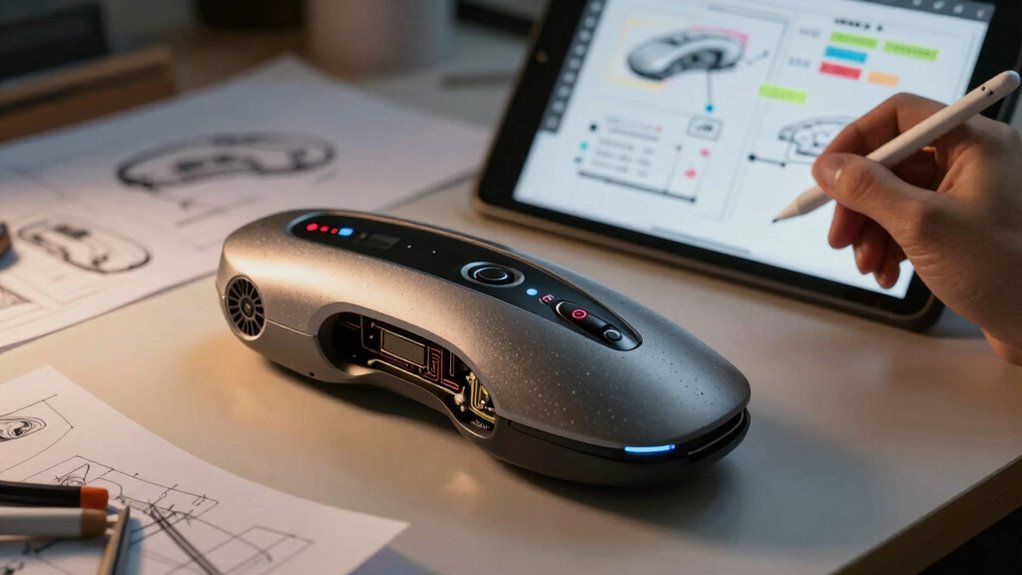

Prototype reviews need different questions than design reviews because they focus on immediate usability and real-time interaction, whereas design reviews evaluate overall concepts, architecture, and strategic goals. During prototypes, you ask quick, targeted questions to gather fast feedback and refine user experience. Design reviews involve broader questions about rationale, technical constraints, and long-term viability. If you want to understand how to craft the right questions for each stage, keep exploring these differences.
Key Takeaways
- Prototype reviews focus on real-time user interaction, requiring questions about usability and immediate feedback rather than design rationale.
- They emphasize rapid iteration, so questions are targeted and concise to facilitate quick improvements.
- Prototype reviews assess current user experience, making questions about functionality and responsiveness more relevant.
- Design reviews explore strategic alignment and feasibility, necessitating questions about long-term viability and technical constraints.
- The differing goals and timing of each review stage demand distinct questions tailored to their specific focus areas.
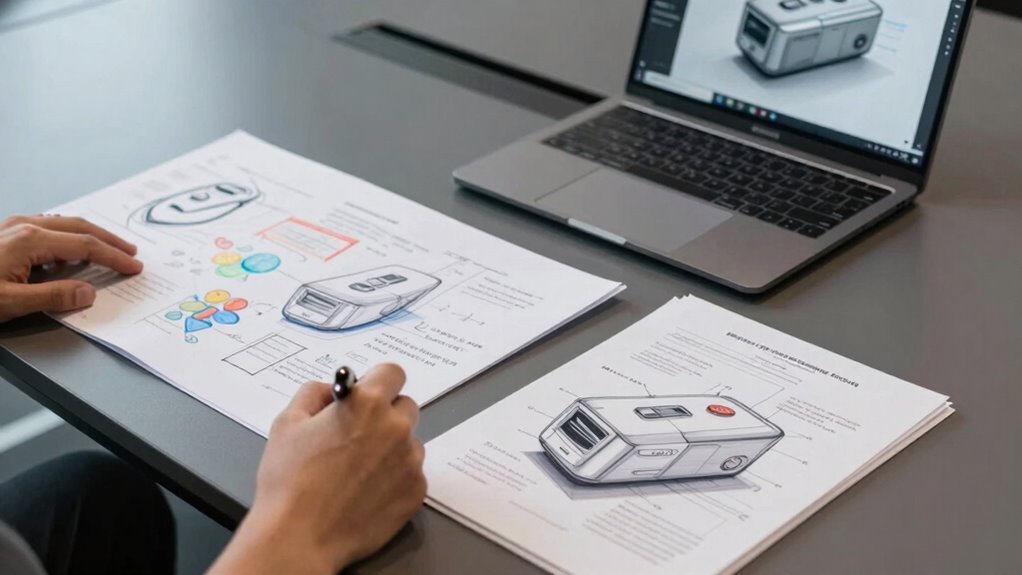
In contrast, design reviews happen earlier in the process and are more about assessing the overall design concept, architecture, and feasibility. The questions you ask during a design review should delve into the rationale behind design choices, technical constraints, and long-term viability. Since these reviews are more strategic, user engagement is less immediate but equally important. You want to explore whether the design aligns with user needs and business goals, as well as how feasible it is to implement. Feedback timing here is more deliberate; you gather insights over a longer period, allowing for comprehensive analysis before making significant commitments. Asking questions like “How well does this design support user goals?” or “What are the potential risks or challenges?” ensures you’re considering all aspects of the design before moving forward. Recognizing the importance of media literacy can help in evaluating how well the design communicates its purpose and usability to diverse audiences. Additionally, understanding the content formats used can influence how effectively information is conveyed and received. Incorporating user-centered considerations into the review process can further refine how the design caters to actual user needs and preferences. Furthermore, considering emerging technologies can be beneficial for future-proofing the design and enhancing user experience. The key difference is that prototype reviews demand questions centered around real-time user interaction and immediate usability, while design reviews focus on strategic alignment and technical feasibility. Because user engagement varies significantly between these stages, the questions must be tailored accordingly. In prototype reviews, quick, targeted questions yield rapid feedback that helps you iterate swiftly. During design reviews, broader, more reflective questions foster thoughtful discussions that shape the overall direction. Recognizing these differences ensures you get the most valuable insights from each review, ultimately making your product development process more efficient and aligned with both user needs and technical realities.
Usability testing prototype tools
As an affiliate, we earn on qualifying purchases.
As an affiliate, we earn on qualifying purchases.
Frequently Asked Questions
How Do Prototype Reviews Influence User Testing Outcomes?
Prototype reviews influence your user testing outcomes by highlighting areas where user engagement can be improved and gauging emotional responses. When you ask the right questions during these reviews, you gain insights into how users interact with your prototype, revealing frustrations or delights. This understanding helps you refine the design, ensuring that during user testing, you get more accurate data on real user behaviors and emotional connections, leading to better product success.
What Metrics Are Most Effective During Prototype Evaluations?
During prototype evaluations, focusing on metrics like user engagement helps you gauge how users interact with your product, revealing usability issues and areas for improvement. Additionally, tracking how features are prioritized based on user feedback guides your development process, ensuring you’re focusing on what matters most. These metrics allow you to make informed decisions, refine your prototype effectively, and ultimately create a more user-centric and successful final product.
How Early Should Feedback Be Collected in the Prototyping Process?
You should start collecting feedback early in the prototyping process, ideally during initial and low-fidelity stages. Using iterative feedback and timing strategies allows you to identify issues quickly, refine ideas, and improve usability. By gathering input at multiple points, you guarantee the prototype evolves effectively. Early feedback helps prevent costly changes later, making your design more aligned with user needs and increasing the success of your final product.
What Are Common Pitfalls in Conducting Prototype Reviews?
You might face iteration challenges and stakeholder misalignment during prototype reviews if you don’t ask the right questions. Common pitfalls include focusing too much on aesthetics rather than functionality, overlooking user feedback, or rushing the process. To avoid these, guarantee clear communication, involve diverse stakeholders early, and prioritize learning over perfection. This approach helps identify issues efficiently, aligns everyone’s expectations, and streamlines the iterative development process.
How Can Prototype Reviews Improve Overall Product Usability?
Prototype reviews boost overall product usability by focusing on user engagement and visual fidelity. You can identify areas where users might struggle or lose interest, allowing you to refine interactions and design elements. By testing with real users early, you get valuable feedback on how the prototype supports engagement. This helps guarantee the final product is intuitive, visually appealing, and meets user needs effectively, leading to a more successful, user-centered product.
Rapid prototyping feedback devices
As an affiliate, we earn on qualifying purchases.
As an affiliate, we earn on qualifying purchases.
Conclusion
Now that you see the distinct purposes of prototype and design reviews, can you imagine rushing through one without the right questions? Each step is a crucial piece of the puzzle, guiding you toward a better product. By tailoring your questions, you guarantee you’re examining the right details at the right time. So, why settle for a blurry picture when clarity can be just a few thoughtful questions away? Your project’s success depends on it.
As an affiliate, we earn on qualifying purchases.
User interaction testing gadgets
As an affiliate, we earn on qualifying purchases.
As an affiliate, we earn on qualifying purchases.