
TL;DR

Get business pricing on monitors, keyboards and dev gear
- Business-only prices and quantity discounts
- Tax-exempt purchasing
- Multiple users, one account, clear invoices
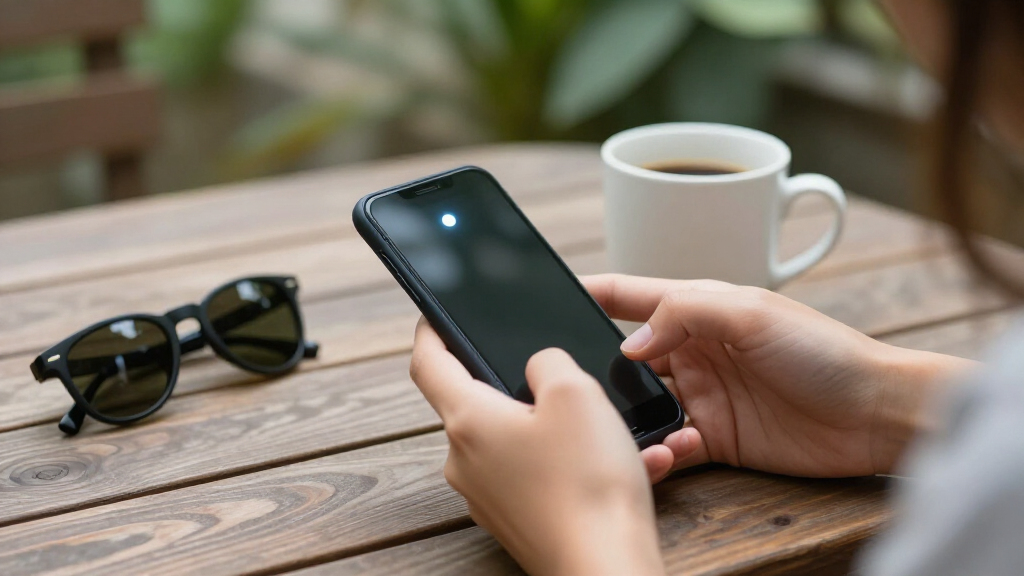
A new smartphone feature employs LED lights combined with artificial intelligence to detect hidden cameras. This development could enhance privacy but is still in early testing stages and unconfirmed by manufacturers.
A new smartphone feature that uses the device’s LED lights in combination with artificial intelligence to detect hidden cameras has been reported, raising privacy concerns and technical curiosity. The feature, still unconfirmed by major manufacturers, is believed to leverage AI algorithms to analyze reflections and light patterns indicative of concealed recording devices.
According to emerging trend signals, a technology that enables smartphones to detect hidden cameras through their built-in LED flash has gained attention among privacy advocates and tech enthusiasts. The concept involves activating the LED and using AI-driven image analysis to identify reflective surfaces or unusual light patterns associated with small cameras often concealed in rooms or personal spaces.
Initial reports suggest that the feature is part of a prototype or experimental software, with no official confirmation from leading smartphone brands. The underlying technology reportedly combines the phone’s flashlight with AI algorithms trained to recognize specific visual cues, such as tiny lens reflections or infrared signals that concealed cameras may emit.
Experts note that while the idea is technically plausible, its effectiveness depends heavily on the sophistication of the AI models and the environmental conditions. The feature’s current status remains in the testing phase, with no clear timeline for commercial release or integration into mainstream devices.
Potential Privacy Enhancement or Technical Limitations
This development could offer consumers a new tool for safeguarding their privacy by easily scanning for hidden cameras in private or sensitive environments. Such a feature might help detect covert surveillance devices in hotel rooms, rental apartments, or workplaces, addressing growing concerns over unauthorized recording.
However, experts caution that the technology’s reliability is still unproven, and false positives or missed detections could undermine user trust. Additionally, privacy advocates emphasize that this is only one part of broader privacy protection measures and that the effectiveness of AI-based detection remains to be validated in real-world scenarios.
As an affiliate, we earn on qualifying purchases.
Growing Interest in Privacy Tech and Unconfirmed Developments
Interest in privacy-enhancing features for smartphones has surged recently, driven by increasing awareness of covert surveillance and illegal recordings. The trend signal indicating this LED-based detection method appears amid a spike in searches and media coverage about hidden camera detection tools.
While the concept is gaining attention, it is important to note that the technology is still in the experimental stage, with no official statements or product announcements from major manufacturers. The trigger for this interest seems to be an unconfirmed report or leak, and details about the specific implementation remain scarce.
Historically, various detection tools have relied on external hardware or specialized apps, but integrating such capabilities directly into smartphones could democratize privacy protection. This trend signals a potential shift toward more integrated, user-friendly security features in consumer devices.
As an affiliate, we earn on qualifying purchases.
Unconfirmed Status and Technical Effectiveness Still Unclear
It is not yet confirmed whether this feature will be adopted by major smartphone brands or if it is still in the prototype stage. The actual effectiveness of AI-driven detection in diverse environments remains unproven, and there are no publicly available technical details or validation studies.
Experts emphasize that further testing, validation, and official confirmation are needed before assessing the technology’s practical value or reliability.
As an affiliate, we earn on qualifying purchases.
Awaiting Official Confirmation and Broader Testing Results
The next steps involve validation through independent testing and potential integration into commercial devices. Smartphone manufacturers or developers involved in the prototype may release official statements or updates in the coming months. Consumers and privacy advocates will likely watch for real-world performance data and regulatory considerations.
Further developments could include refinement of AI algorithms, increased detection accuracy, and broader availability if the technology proves effective.
As an affiliate, we earn on qualifying purchases.
Key Questions
Currently, it is unclear how reliable the feature is, as it remains in the experimental or testing phase with no official validation data available.
Will this feature be available on all smartphones?
No, it is not confirmed whether major manufacturers will adopt this technology or include it in their devices. It is still in the development stage.
How does the AI detect hidden cameras using the LED?
According to reports, the AI analyzes reflections and light patterns produced when the LED is activated, looking for signs of tiny camera lenses or infrared signals.
Are there any privacy concerns with this detection method?
While it aims to protect user privacy, some experts warn that false positives or misuse could raise new privacy issues, emphasizing the need for validation and regulation.
When might this feature become available to consumers?
There is no confirmed timeline; it could take months or years before it is integrated into mainstream smartphones, pending successful testing and official announcements.
Source: hn
Halloween Picks
halloween
As an affiliate, we earn on qualifying purchases.