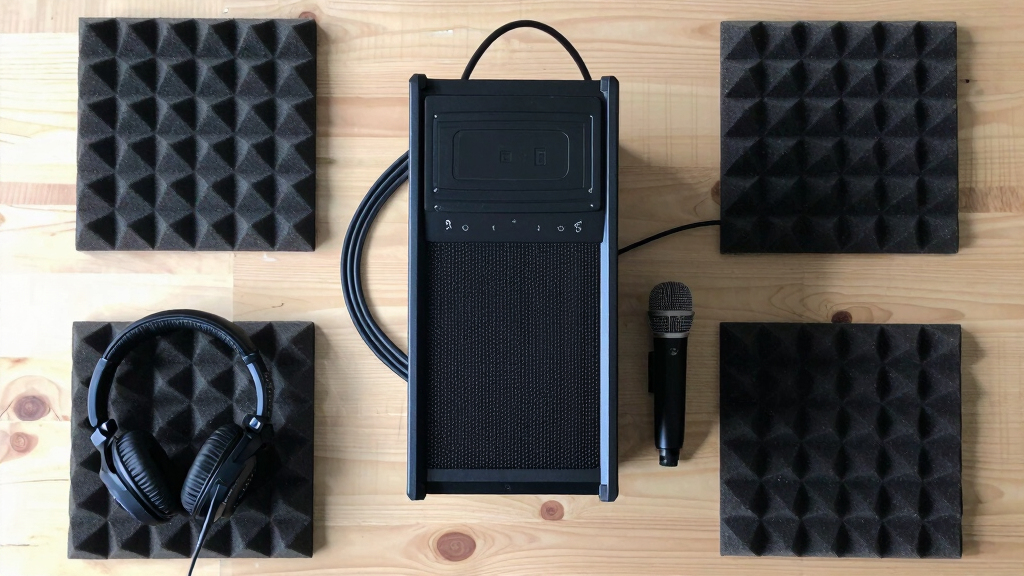

📊 Full opportunity report: Acoustic Dampening, Placement, and the “Rig in the Closet” Setup on ThorstenMeyerAI.com — validation score, market gap, and execution plan.

Get business pricing on monitors, keyboards and dev gear
- Business-only prices and quantity discounts
- Tax-exempt purchasing
- Multiple users, one account, clear invoices
TL;DR
Moving your rig into a closet or another room significantly reduces noise and reflections. Proper placement, sealing gaps, and using absorption materials improve sound quality and prevent heat buildup. This guide offers practical advice for creating a quiet, efficient workspace.
Moving a high-powered rig into a closet or small room is confirmed as the most effective method for reducing noise and reflections, according to recent expert guidance. For a detailed overview, see the original analysis. Proper placement, sealing gaps, and strategic use of absorption materials can transform a cramped space into a quiet, professional-quality workspace. This approach is especially relevant for users of AI workstations, gaming rigs, or voice recording setups seeking better sound control without expensive soundproofing infrastructure.
Experts emphasize that relocating your rig into a closet drastically cuts noise levels and acoustic reflections, often more than adding foam treatments alone. The key is to position the equipment away from reflective surfaces and treat primary reflection points such as behind the microphone, side walls, and ceiling with absorption materials like foam panels or blankets. Sealing gaps around doors and walls with weatherstripping enhances sound isolation, preventing noise leaks and echoes. For practical tips, see this guide on acoustic treatment.
Heat management is critical when placing high-performance hardware in enclosed spaces. Effective ventilation, such as exhaust fans or ducted airflow, prevents overheating. A combination of passive vents and active cooling solutions like liquid coolers with exhaust ducts can maintain safe temperatures, ensuring hardware longevity. DIY materials like blankets, rugs, and foam can be effective if strategically placed, but proper airflow remains essential to avoid heat buildup.
Acoustic dampening
& the rig in the closet.
The most powerful noise fix isn’t a material — it’s a floor plan. A rig you can’t hear because it’s in another room beats any amount of foam. Tap the approaches in Part 1 to see what actually works.
(another room)
(levers 1–4)
(door / barrier)
(acoustic foam)
Contain the noise, not the heat
Why Proper Closet Setup Matters for Sound and Hardware Safety
This approach matters because it allows users to achieve quieter, clearer audio recordings or gaming experiences without expensive soundproofing. Proper placement and treatment improve sound quality by reducing echoes and standing waves, making editing easier and improving overall clarity. Additionally, effective heat management ensures hardware reliability, preventing damage or throttling during intensive use. As more individuals set up home studios or AI rigs, these practical strategies become vital for balancing sound control with hardware safety.
acoustic foam panels for soundproofing
As an affiliate, we earn on qualifying purchases.
As an affiliate, we earn on qualifying purchases.
Background on Acoustic Treatment and Closet Rigs
Many users have discovered that small spaces like closets can serve as effective sound booths if properly prepared. Learn more about acoustic dampening and placement techniques. Industry experts have long recommended that acoustic dampening involves more than just foam; sealing gaps and strategic placement are equally important. Recent guidance from audio and hardware specialists highlights that moving rigs into a dedicated room or closet, combined with targeted acoustic treatment, offers superior noise reduction compared to surface treatments alone. This method has gained popularity as a cost-effective solution for home studios and high-performance workstations.
"Relocating your rig into a closet and treating reflection points can drastically improve sound quality and reduce noise leakage. Proper sealing and ventilation are key."
— Thorsten Meyer, acoustic expert
soundproofing blankets for recording studio
As an affiliate, we earn on qualifying purchases.
As an affiliate, we earn on qualifying purchases.
Remaining Questions About Long-Term Durability and Heat Management
It is not yet clear how different materials perform over extended periods in high-heat environments or how best to optimize airflow for various hardware configurations. The ideal balance between sound absorption and heat dissipation in small, sealed spaces remains an area of ongoing experimentation. More empirical data is needed to determine the most durable and effective setups for different hardware and room sizes.
ventilation fans for computer cooling
As an affiliate, we earn on qualifying purchases.
As an affiliate, we earn on qualifying purchases.
Next Steps for Users Considering a Closet Rig Setup
Users should experiment with placement and materials, starting with basic acoustic panels and sealing gaps. Monitoring temperatures with sensors and adjusting ventilation accordingly will help prevent overheating. Future developments may include specialized closet enclosures with integrated cooling and soundproofing, making DIY solutions more reliable and efficient. Experts recommend incremental testing to find the optimal configuration for each individual setup.
As an affiliate, we earn on qualifying purchases.
Key Questions
Can I completely soundproof my closet rig?
Complete soundproofing is difficult and costly; most setups focus on dampening reflections and sealing gaps for effective noise reduction, not total soundproofing.
What materials are best for acoustic treatment in a closet?
High-density foam panels, blankets, rugs, and bass traps in corners are effective. Covering about 20-30% of walls with absorption materials typically yields good results.
How do I prevent my hardware from overheating in a closet?
Install ventilation such as exhaust fans or ducted airflow, and consider using a purpose-built enclosure with temperature regulation to maintain safe operating temperatures.
Is sealing gaps enough to prevent noise leaks?
Sealing gaps significantly reduces noise leakage, but combining this with absorption treatment provides the best overall sound control.
How much treatment is needed for a small closet?
Applying absorption panels to reflection points and in corners, covering roughly 20-30% of the walls, is generally sufficient for effective sound dampening.
Source: ThorstenMeyerAI.com
Fall Picks
fall essentials
As an affiliate, we earn on qualifying purchases.